





Introduction: Why choose an itinerary in Bordeaux — guided tour, audio guide, or solo
Bordeaux, the wine capital of the world and a UNESCO-listed city, offers a range of experiences to suit every kind of traveler: those who prefer an expert-led tour, those who enjoy the freedom of an audio guide, and those who like to wander solo and follow their instincts. In this guide we outline typical routes for three approaches — guided tours (group or private), audio guides (mobile app or on-site device), and solo visits — and provide practical details like exact addresses, opening hours, prices, and local tips.
Why differentiate between these formats? A guided tour led by a certified guide gives you access to historical anecdotes, sometimes special or skip-the-line access, and tailored recommendations for wineries and restaurants. An audio guide wins on flexibility: you decide how long to stay at each stop, you can rewind, and tracks are often available in multiple languages. And a solo visit lets you slow down, perfect for photography, coffee breaks, and exploring less-touristy neighborhoods like the Bastide quays or Saint-Michel.
This guide is for everyone: families, couples, architecture buffs, wine lovers, and travelers on a layover. You’ll find sample half-day to full-day itineraries tailored to each format, with precise addresses (museums, monuments, tourist offices, wine shops), price ranges in euros (€), opening hours, and concrete tips to optimize your visit by season. Whether you want an architecture-focused walk through the urban heritage — Place de la Bourse, Miroir d’eau, Grand Théâtre — or a wine route between châteaux and urban cellars, these routes will help you plan your day with confidence.
Each itinerary also includes local recommendations: best times to avoid crowds, tasty spots for a quick lunch or an elegant dinner, recommended transport (tram lines A, B, C, D), and practical tricks like buying museum tickets online or booking private vineyard tours in advance. The times shown reflect usual opening hours — check for exceptional closures on public holidays or during events. And don’t forget your camera and comfortable shoes: Bordeaux is best explored on foot, and the historic center’s cobbles need sturdy soles.
1) Classic guided tour itinerary (half-day, historic center)
Duration: around 3 to 4 hours. Recommended for: visitors who want a complete historical and architectural context without venturing far from the city center.
Sample route
- Meeting point: Office de Tourisme Bordeaux Métropole, 12 Cours du 30 Juillet, 33000 Bordeaux. Opening hours: Monday–Saturday 09:30–18:00, Sunday 10:00–17:00. Entry: the tourist office is free; guided tours usually start from around €12 per person for a group (indicative price).
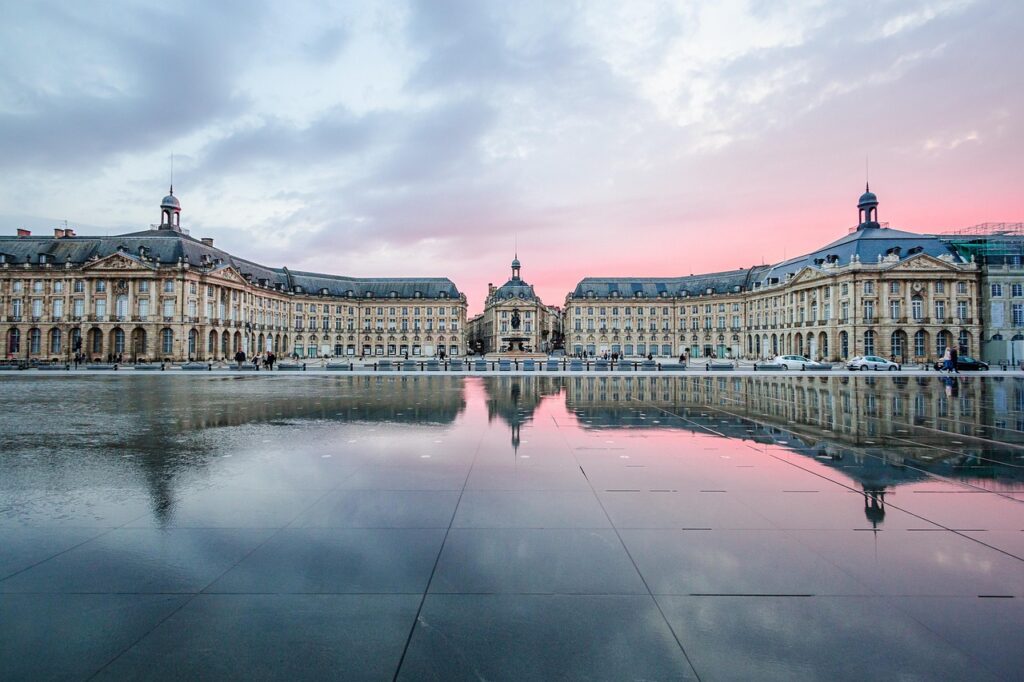
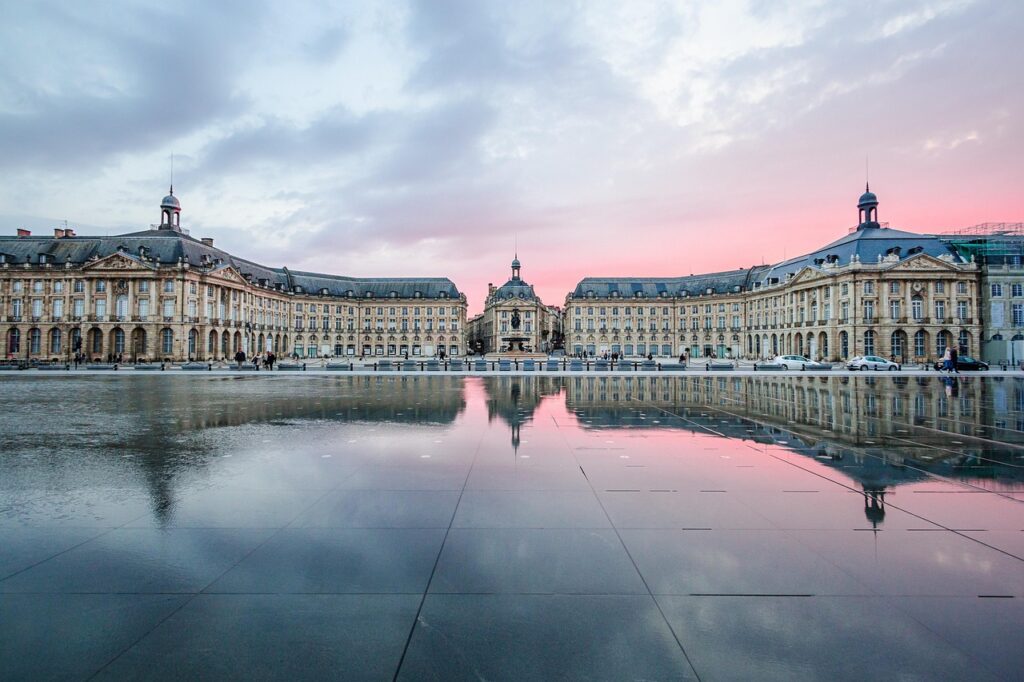
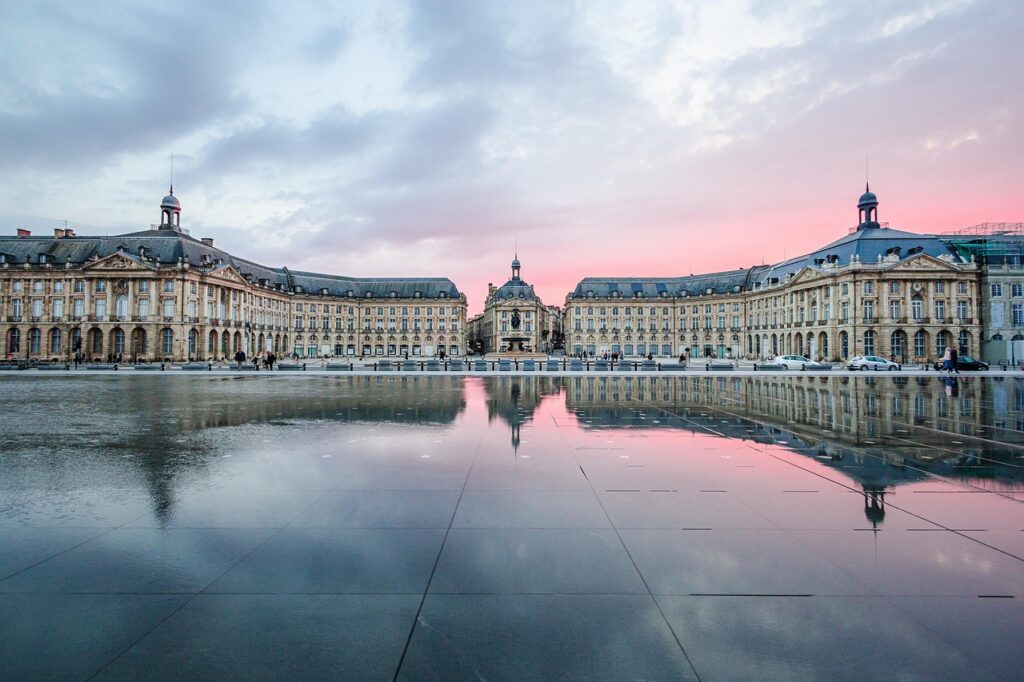
- Stop 1: Place de la Bourse, Quai Louis XVIII, 33000 Bordeaux. What to expect: an 18th-century classical façade facing the Miroir d’eau — a must for photos. Access: open 24/7. Tip: visit at sunset for warm light and fewer daytime crowds.
- Stop 2: Miroir d’eau, Quai de la Douane, 33000 Bordeaux. Free and always open. Perfect for reflection shots of the Palais de la Bourse.
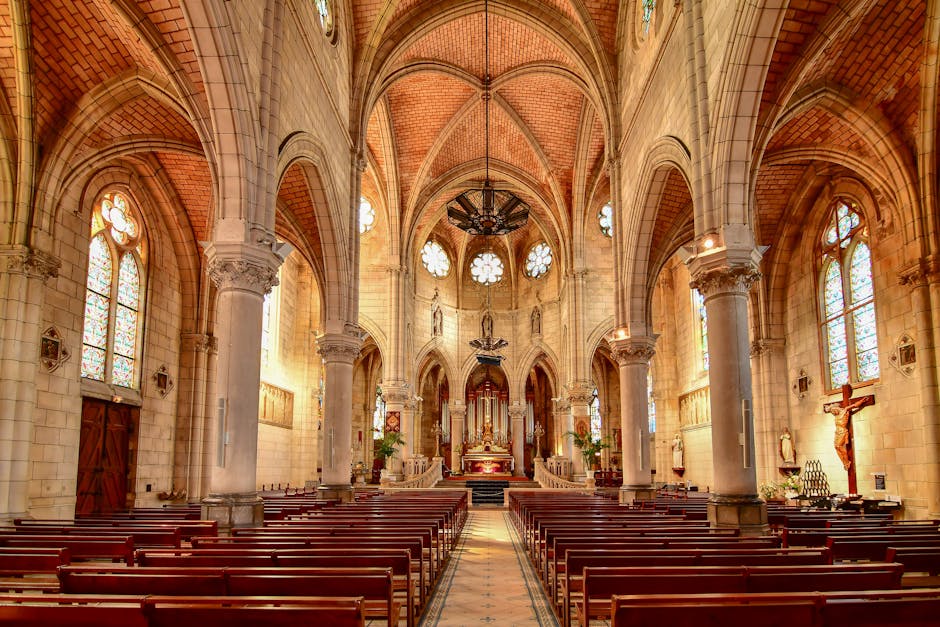
- Stop 3: Cathédrale Saint-André, Place Pey-Berland, 33000 Bordeaux. Address: Place Pey-Berland, 33000 Bordeaux. Hours: generally open 08:00–18:00 (may vary with services). Tour of the Pey-Berland Tower: €7 adult, €4 reduced; usually open 10:00–18:00 depending on season.
- Stop 4: Grand Théâtre de Bordeaux, Place de la Comédie, 33000 Bordeaux. Guided tours of the building: €7–10 per person, often at 11:00 and 15:00 (booking recommended via box office: Place de la Comédie, 33000 Bordeaux, +33 5 56 00 85 85).
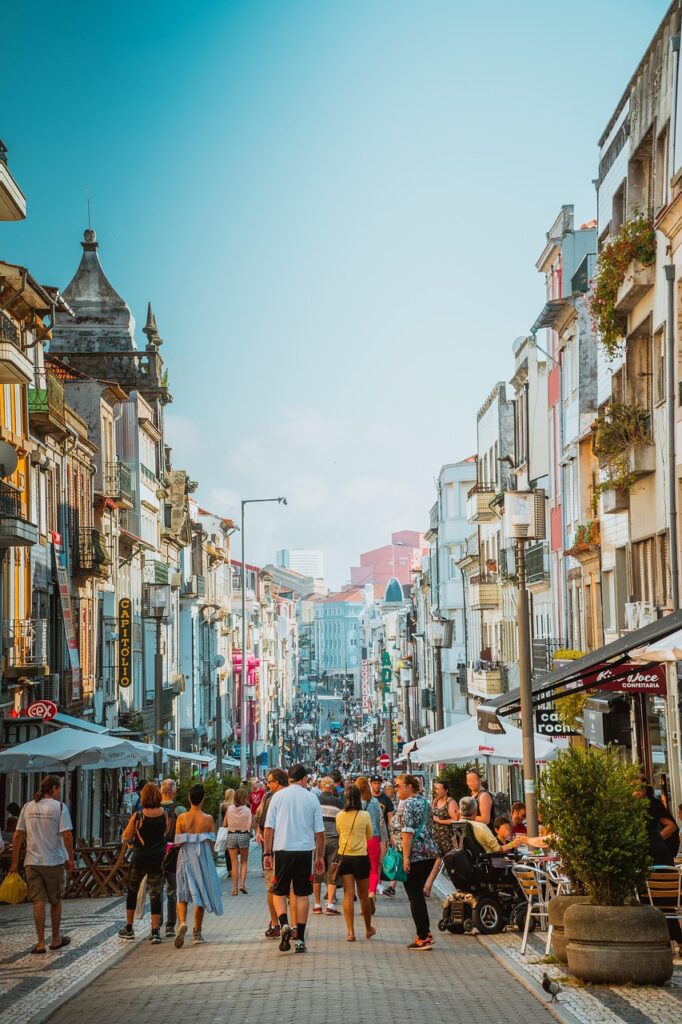
Immersive description: The guided tour starts at the Tourist Office where the official guide hands out a map, shares anecdotes, and outlines the route. Walking over the cobbles of the pedestrian streets — including Rue Sainte-Catherine (Rue Sainte-Catherine, 33000 Bordeaux) — you’ll hear about the river port, the quays’ urban planning, and the golden age of the wine trade. The guide will explain the symmetry of the façades on Place de la Bourse (Quai Louis XVIII) and why the Miroir d’eau became both a piece of urban art and a common meeting point for families.
Prices and bookings: Group guided tours usually cost between €12 and €20 per person for 1.5–2 hours. A private tour (2–3 hours) can cost €120–200 depending on the provider and group size. Recommended operators: Bordeaux Walking Tours (recommended by the Tourist Office), VISIT Bordeaux Guides (private). Book online, especially in high season (May–September).
Local tips: Wear sturdy shoes (cobblestones), bring a water bottle in summer, and arrive 10 minutes before the start. If you want to extend into a wine experience, ask the guide about partner estates for a tasting booked after the city tour.
2) Audio guide itinerary (flexible, full day)
Duration: roughly 6 to 8 hours, adjustable. Recommended for: independent visitors who want information without time constraints, families with more autonomous kids, or solo travelers who like a variable pace.
Audio guide options and costs
- MyBordeaux app (example): download on iOS/Android, « Classic Bordeaux » route: €6.99 for the full route, commentary in French, English, Spanish. Available 24/7.
- Physical audio guide rental: Office de Tourisme Bordeaux Métropole, 12 Cours du 30 Juillet, 33000 Bordeaux. Rental fee: around €5–8 for a half-day; deposit required. Pickup hours: 09:30–18:00.
- Interactive kiosk: Musée d’Aquitaine, 20 Cours Pasteur, 33000 Bordeaux. Hours: Tuesday–Sunday 10:00–18:00. Museum entry: €6 adult, €3 reduced, free under 18. On-site audio guide: €3.
Recommended full-day route:
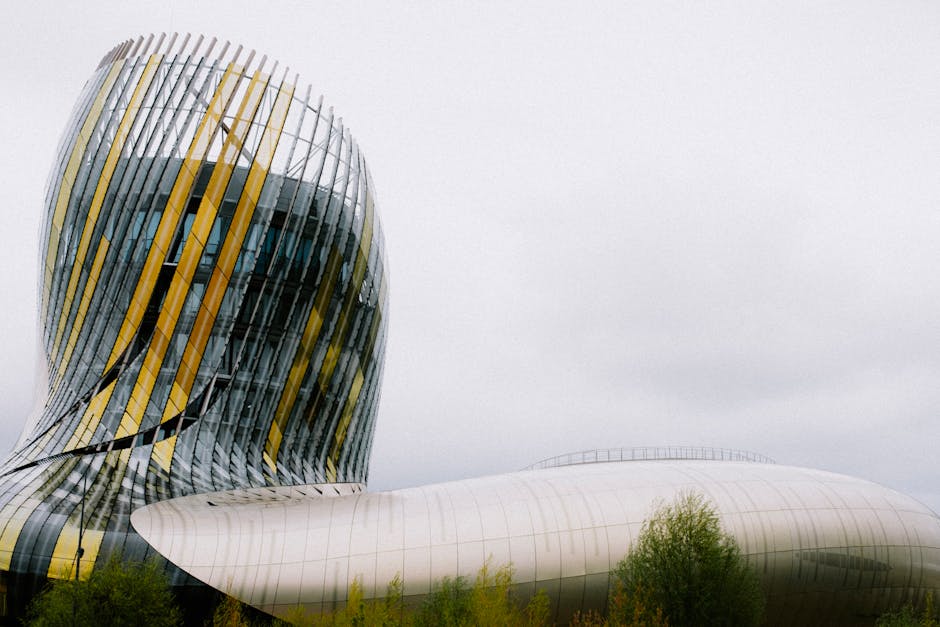
- Morning: Start at La Cité du Vin, located on the quays at 134 Quai de Bacalan, 33300 Bordeaux. Hours: open daily 10:00–18:00 (closes at 19:00 in high season). Price: « Discovery » ticket €20 adult, €16 reduced, €10 for ages 7–17; panoramic lookout sometimes included depending on the ticket. The audio guide (app or loaned headset) helps you grasp the link between architecture and the global wine landscape in 1–2 hours.
- Lunch: Darwin Ecosystème, 87 Quai des Queyries, 33100 Bordeaux. An alternative hub with restaurants, food trucks and an organic market. Most businesses open 09:00–19:00. Great for a picnic-style lunch.
- Afternoon: Head back toward the center with stops at Musée d’Aquitaine (20 Cours Pasteur) for a historical overview, then the Monument aux Girondins (Place des Quinconces, 33000 Bordeaux) — public access. The audio guide provides chapters on colonial-era history and the wine trade.
Immersive description: With an audio guide the day is paced like a series of short chapters. At La Cité du Vin (134 Quai de Bacalan) the experience is multisensory: tactile exhibits, optional tastings (tasting formulas from around €6 per glass) and panoramic views over the Garonne. The audio guide shares winemakers’ portraits and will steer you to tasting booths that match your preferences.
Practical tips: Download offline maps and audio files before you set out if you’re worried about signal. Bring comfortable headphones and a power bank if you’re using your phone. To save money, look for combo tickets (some « Cité du Vin + boat ride » offers are available for €30–35).
3) Solo itinerary (slow travel, neighborhoods & local picks)
Duration: flexible (half-day to two days). Recommended for: independent travelers, photographers, food lovers who want to explore at their own tempo.
Slow travel route
- Morning: Breakfast at Boulangerie Pâtisserie La Toque Cuivrée, 2 Rue des Remparts, 33000 Bordeaux. Hours: 07:30–19:00. Price: coffee €2–3, pastries €1.20–2.50.
- Wander: Saint-Michel neighborhood, Place Canteloup, 33000 Bordeaux. Flea-market vibes and local atmosphere. Nearby: Basilique Saint-Michel, Place Meynard, 33000 Bordeaux — free wandering.
- Midday: Lunch at Marché des Capucins, Place des Capucins, 33800 Bordeaux (on the right bank of the historic center). Hours: market open Tuesday–Sunday morning, stalls operating until about 14:00. Meal prices: €8–15 depending on stall.
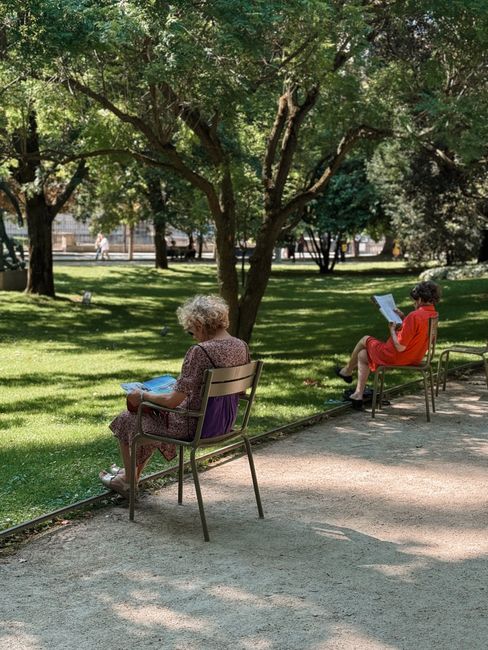
- Afternoon: Tram across to Place de la Bourse for a photo session, then head to Jardin Public, Allées de Tourny, 33000 Bordeaux. Open 24/7. Ideal for a reading break or a nap on the grass.
- Evening: Dinner at a local bistro like Le Bouchon Bordelais, 15 Rue Parlement Saint-Pierre, 33000 Bordeaux. Typical hours: 12:00–14:00 and 19:00–22:30. Main courses €12–25; evening menus often €25–35.
Immersive descriptions: A solo visit favors slow sensations. In Saint-Michel you’ll smell spices, hear street vendors, and spot the Saint-Michel spire cutting into the sky. Marché des Capucins is a foodie’s heaven: fresh oysters (around €3–4 each depending on season), local cheeses, and global street food. Jardin Public offers a peaceful contrast with shady avenues and a small lake — a perfect pause for reading.
Local tips: Use the TBM card for trams (Zone 1 single ticket €1.70 for 1 hour or a book of 10 tickets €15). For parking, favor park-and-ride lots and take the tram into the center. For wines to bring home, ask an independent wine shop like Ô Comptoir du Vin, 5 Rue des Piliers de Tutelle, 33000 Bordeaux (hours vary, usually 10:00–19:00) — they offer bottles from about €8 up to €100 depending on appellation.
4) Wine-focused itinerary: private vineyard tour vs. urban tastings
Duration: half-day to full day. Recommended for: wine lovers, private groups, couples.
Private vineyard tour (half-day)
- Departure: local agencies like Bordeaux Wine Trails, meeting often at the city center (Tourist Office or your hotel). Indicative price: €250–450 for a half-day private tour for up to 8 people, including minivan transport and visits to 2–3 properties.
- Typical route: Saint-Émilion (Place du Marché, 33330 Saint-Émilion), visit a château like Château La Gaffelière, 1 Lieu-dit La Gaffelière, 33330 Saint-Émilion. Hours: private visits usually between 09:30 and 17:30; book 48–72 hours in advance. Château tasting fees: €15–40 per person depending on the package.
- Return: guided tasting and suggestions on bottles to buy onsite.
Solo tasting in the city
- Recommended urban cellars: La Vinothèque, 15 Rue des Faussets, 33000 Bordeaux. Hours: 10:00–19:30. Tastings: €5–15 per glass, charcuterie boards from €8.
- Ô Comptoir du Vin, 5 Rue des Piliers de Tutelle, 33000 Bordeaux. Hours: often 11:00–20:00. Bottles to take away from around €8.
- Wine bar Le Bar à Vin (Cité du Vin partner), Place des Grands Hommes, 33000 Bordeaux (some venues are located inside or near La Cité du Vin). By-the-glass prices from €4–6, guided tastings €10–20.
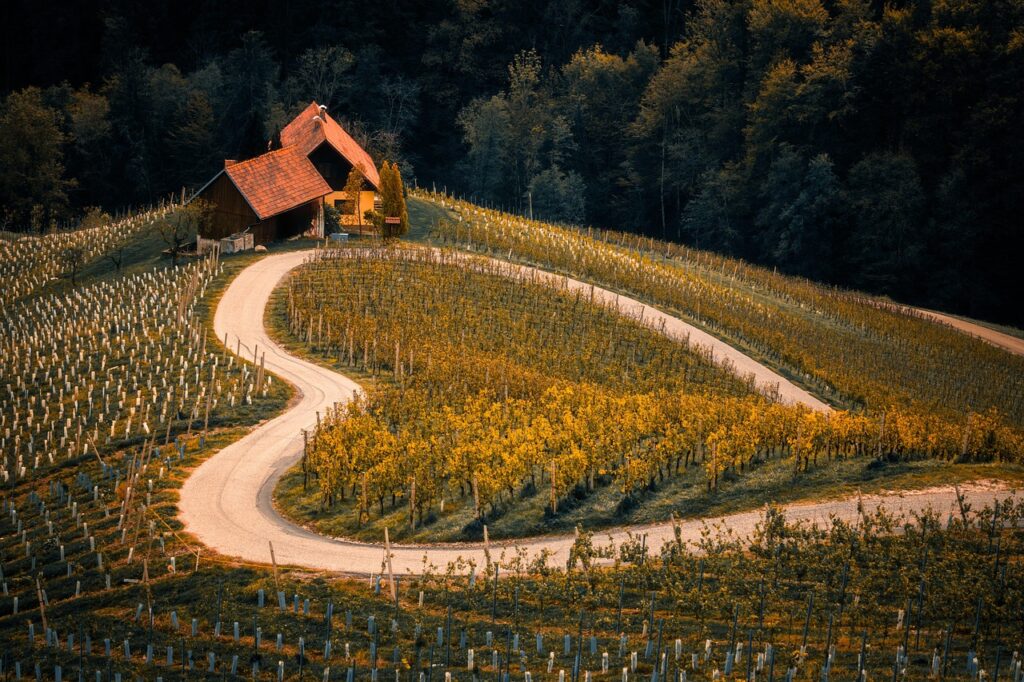
Description and tips: If you choose a private tour, take advantage of the sommelier/guide’s expertise and ask detailed questions about winemaking methods, soils, and classifications. Estate visits typically include a walk through the vineyards, a tour of the cellars, and a seated tasting. Pay attention to bottles only sold onsite — they’re often cheaper than retailer prices.
For a solo urban wine day, pair La Cité du Vin (134 Quai de Bacalan) in the morning with an afternoon at a local cellar. The « open tasting » format in smaller shops lets you chat with the shopkeeper, try natural wines, and discover small appellations. Ask about packing and shipping options if you’re flying home with bottles (special wrapping or shipping via the domaine).
Prices and reservations: In-shop tastings usually cost €5–20 per person. For estates, budget €15–40 for a guided tasting and up to €100+ for grand cru tastings. Book at least two weeks ahead for popular châteaux like those in Saint-Émilion.
Conclusion: Choose based on pace and expectations
Whether you pick a guided tour, an audio guide, or a solo exploration, Bordeaux adapts to every pace and curiosity. Guided tours are ideal if you want a structured narrative and anecdotes brought to life by an expert — especially useful for first-time visitors and groups seeking historical and architectural coherence. Audio guides give you great flexibility: you control time and route while accessing rich, often multimedia content. And solo exploration is perfect for the slow traveler who wants to follow whims, linger at markets, pop into local shops, and soak up the ambiance of less-touristy neighborhoods.
Practical takeaways: book private tours and certain tastings in advance (especially for Saint-Émilion and sought-after estates), download audio guides and maps before you leave, use the TBM tram network to avoid traffic and parking headaches, and carry a bank card plus a little cash for markets and small shops. Also adjust your schedule by season: the high season (May–September) brings bigger crowds while winter has a more intimate atmosphere and sometimes lower prices.
Finally, each format holds surprises: a local guide might lead you to a hidden cellar, an audio guide might reveal an anecdote that changes how you see a monument, and a solo stroll might uncover a memorable café-bistro. Bordeaux rewards attention and curiosity — let the golden-stone façades, the food-and-wine pairings in tiny cellars, and the gentle pace of the Garonne guide you. Enjoy your visit, and above all, enjoy the tastings!