





Introduction: Why Visit Bordeaux’s Museums on Your First Trip
Bordeaux is often celebrated for its vineyards, neoclassical architecture and UNESCO-listed urban heritage. But for first-time visitors, the city’s museums offer another indispensable way to understand its soul: its history, trading routes, conversations with art and nature, and the contemporary stories it tells about itself. This guide gives you a curated selection of must-see museums for a complete, flavorful first encounter with Bordeaux, balancing major international institutions with more intimate venues, each revealing a different facet of the city.
Visiting a museum in Bordeaux isn’t just about looking at collections: it’s about grasping how the city was built over centuries, how the wine trade shaped its squares and quays, how contemporary culture repurposes industrial wastelands, and how science and nature interact with a constantly evolving port. The museums picked here cover those themes: local and regional history, fine arts, contemporary art, wine anthropology and immersive museography. They’re spread across the historic center, the left bank and the Bassins à flot, which makes it easy to plan coherent itineraries for a day or a weekend.
For each museum featured, this guide provides practical essentials: full name, exact address, opening hours, indicative prices in euros and local tips to make the most of your visit (best times to go, combined tickets, public transport access, free options or guided tours). Descriptions are detailed to help you spot each venue’s highlights: major works, rooms not to miss, multimedia features, typical temporary exhibitions and the overall vibe (intimate, spectacular, family-friendly, contemplative or experimental). You’ll also find after-visit tips: nearby cafés, photo spots, specialist bookstores and related heritage sites.
Finally, this guide includes visual cues to help you imagine and navigate: photos of façades, gallery interiors, iconic objects and views from the museums over the city. Whether you’re a rushed weekend traveler or a curious visitor with more time, these museums will form a structured, balanced first panorama of Bordeaux — useful for history buffs, contemporary art fans and families looking for cultural activities.
1) La Cité du Vin — A Spectacular Museum Dedicated to Wine and the Cultures of Taste
Name: La Cité du Vin – Cultural and Tourist Center of Wine
Address: 134–146 Quai de Bacalan, 33300 Bordeaux
Opening hours: generally 10:00–19:00 every day (hours vary by season and temporary exhibitions; closed on 25 December and 1 January sometimes); last entry about 1 hour before closing.
Indicative prices: adult ticket ~€20.00 (includes permanent route + audio guide + belvedere with wine tasting); reduced fares €12–15 (youth 6–25, students with ID); free for under 6s. Combined tickets available for specialized audio tours or extra tastings (around €5–10 extra). Booking recommended in high season.
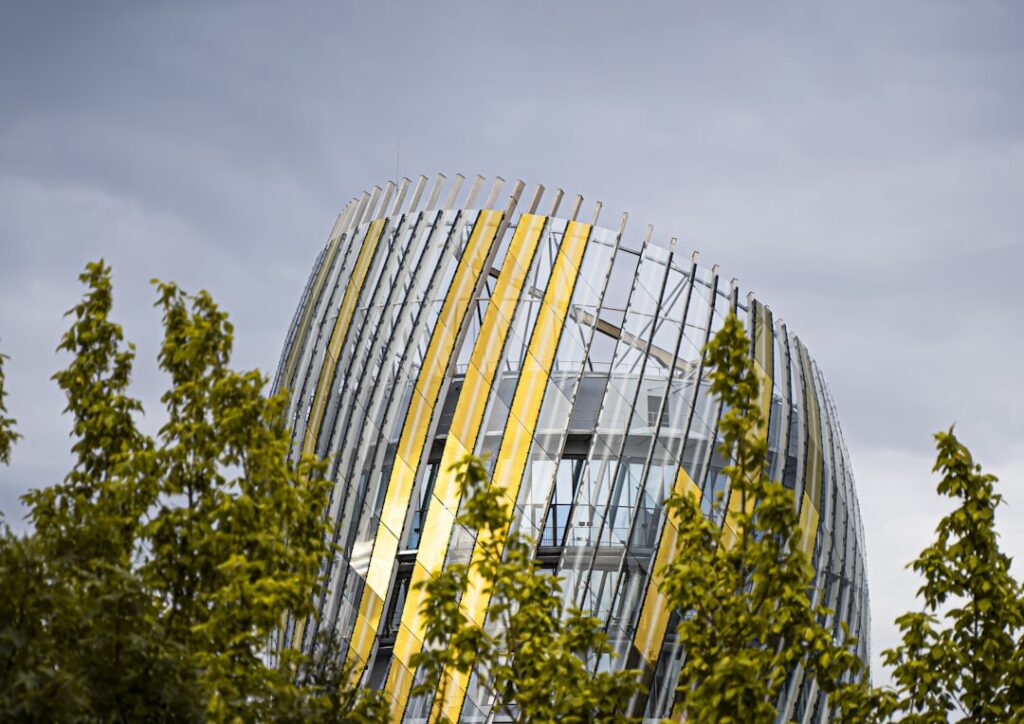
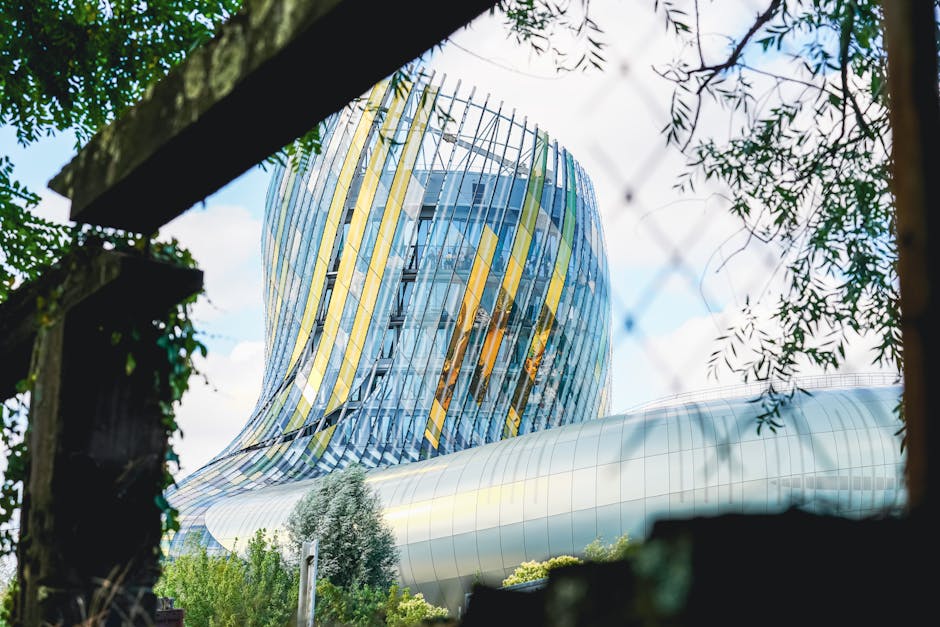
Immersive description: Housed in a contemporary, undulating glass building on the Garonne quays, La Cité du Vin is a multisensory experience. The permanent route blends modern scenography with multimedia installations, videos, maps and historical objects to tell the global story of wine and its social, economic and artistic impacts. Thematic rooms cover anthropological chapters (rituals, traditions), winemaking techniques, international trade and the aesthetics of wine (table culture, pairings, tasting). The audio guide, included with the ticket, features sound extracts and voices from wine professionals (vintners, oenologists, artists).
Highlight: the panoramic belvedere up high offers a spectacular view of Bordeaux and the port from a glass terrace, and a tasting is included in the standard ticket. It’s a standout moment: watching the city while sipping a wine from a terroir featured in the exhibit. The shop and educational cellar offer curated selections and gift sets.
Local tips: aim for a morning visit to avoid the crowds, or book a late slot to catch a special light on the quays. Buy tickets online to save time; if you’re a wine enthusiast, check out the tasting workshops or masterclasses (book well in advance). Tram line B (stop « Cité du Vin ») serves the museum directly. For a post-visit stroll, walk along the redeveloped quays toward the Pont Chaban-Delmas.
2) CAPC — Bordeaux’s Museum of Contemporary Art: From Port Warehouse to Artistic Laboratory
Name: CAPC Musée d’Art Contemporain de Bordeaux
Address: 7 Rue Ferrère, 33000 Bordeaux
Opening hours: typically 11:00–18:00 Tuesday to Saturday; 13:00–18:00 on Sundays; closed Mondays. Hours may change for openings or special events.
Indicative prices: general admission €6–10 (varies with temporary exhibitions); free for under 12s; reduced rates for students, job seekers and school groups. Often free on the first Sunday of the month (check with the museum).
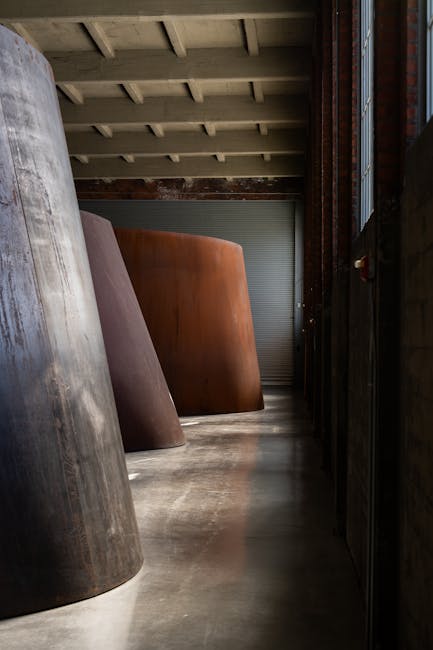
Immersive description: Housed in a converted port warehouse, the CAPC mixes concrete, vaulted ceilings and industrial volumes with ambitious contemporary installations. Visiting is a physical experience: large rooms, monumental sculptures, video art and immersive installations converse with the building’s memory. Curatorial programs tackle international themes — ecology, colonial memory, questions of the living — and the layout favors immersion over passive viewing.
Highlights: the boldness of contemporary proposals, the scale of the works and the high quality of temporary shows often produced in international collaboration. CAPC also hosts talks, artist meet-and-greets and family workshops that deepen the themes on display.
Local tips: allow at least an hour and a half to explore CAPC properly; if a video installation has a long duration, plan your time around screenings. Wear comfortable shoes for the large spaces and note that photography may be restricted for some works — follow the rules. After your visit, walk through the museum garden or cross to the right bank to continue along the river.
3) Musée d’Aquitaine — History and Archaeology of an Atlantic Metropolis
Name: Musée d’Aquitaine (historical and archaeological collections)
Address: 20 Cours Pasteur, 33000 Bordeaux
Opening hours: generally open Tuesday to Sunday, 10:00–18:00; closed Mondays. Hours and opening days may vary for temporary exhibitions and public holidays.
Indicative prices: general admission around €5.00–8.00; reduced €3.00–5.00; free for under 18s and certain groups (teachers, members of cultural associations); open days may be held occasionally.
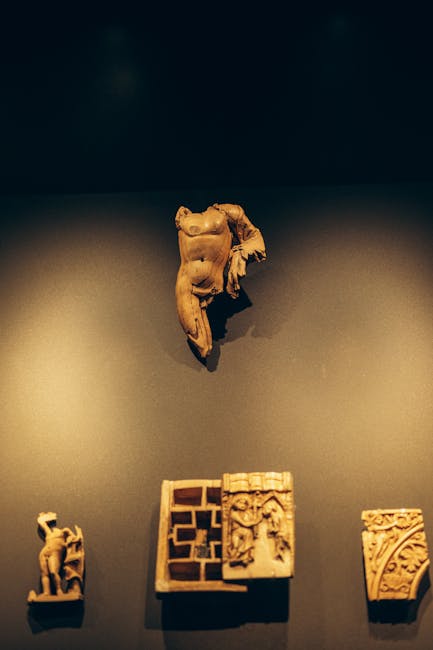
Immersive description: The Musée d’Aquitaine traces the history of Bordeaux and the surrounding region from Prehistory to the present day. The permanent route is rich in archaeological objects, scale models, archival graphics and portraits, showing the city’s urban, economic and social evolution. Sections on the medieval period, maritime trade and Bordeaux’s Atlantic role are particularly well documented: old maps, navigation instruments, trade registers and objects linked to commerce.
Highlights: archaeological collections (Gallo-Roman artifacts), reconstructions of historical urban spaces and informative dossiers on slavery and the slave trade — topics treated with pedagogical tools and multimedia resources to contextualize the history. The museum also offers educational workshops, thematic tours and guided activities for families.
Local tips: pair your visit to the Musée d’Aquitaine with a stroll in the Jardin Public or a stop at the nearby Natural History Museum if you’re visiting with children. Check the schedule for themed guided tours (often by reservation) that provide focused insights into the periods that interest you.
4) Bordeaux Museum of Fine Arts — Classical Works and European Schools
Name: Musée des Beaux-Arts de Bordeaux
Address: 20 Cours d’Albret, 33000 Bordeaux (housed in the Hôtel de Lalande) — check the main entrance as it can change due to renovations or events
Opening hours: typically open Tuesday to Sunday, 11:00–18:00; sometimes 10:00–18:00; closed Mondays. Temporary exhibitions can affect opening times; verify before you go.
Indicative prices: full price around €6.00–8.00; reduced €3.50–5.00; free for under 18s. Reduced rates often apply on the first Sunday of the month and for certain audiences.
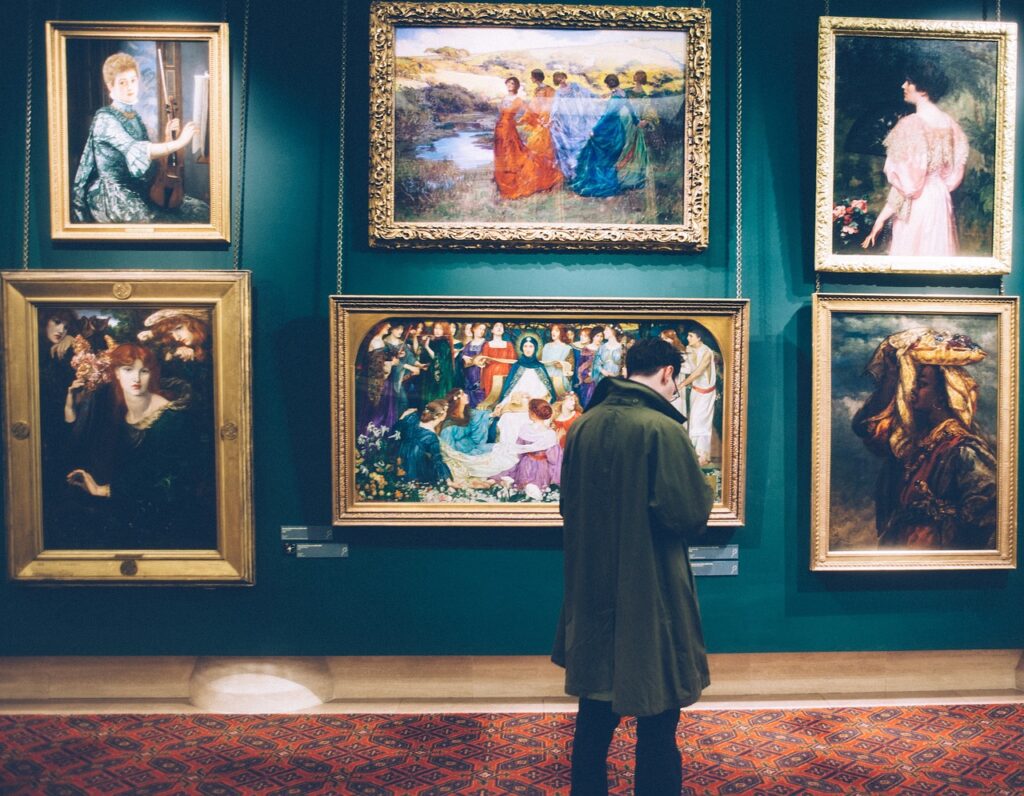
Immersive description: The Musée des Beaux-Arts houses a rich collection of European paintings from the 17th to the 19th century, representing Flemish, Italian and French schools. The galleries, set in an elegant town house, offer an intimate atmosphere ideal for contemplation: portraits, landscapes, still lifes and historical canvases arranged in rooms with original moldings. The traditional museography is perfect for discovering major artistic lineages and the masterpieces preserved here.
Highlights: works by old masters, strong ensembles focused on portraiture and compositional studies. Curators run lecture series and guided tours that reveal how the collections were formed (state purchases, donations, legacies from Bordeaux families).
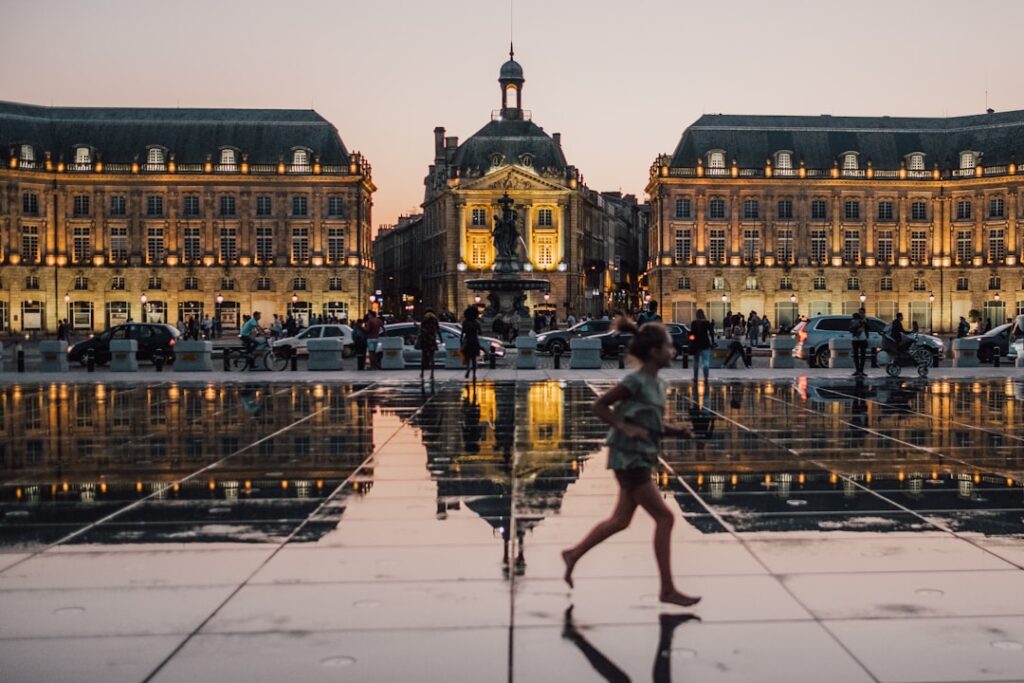
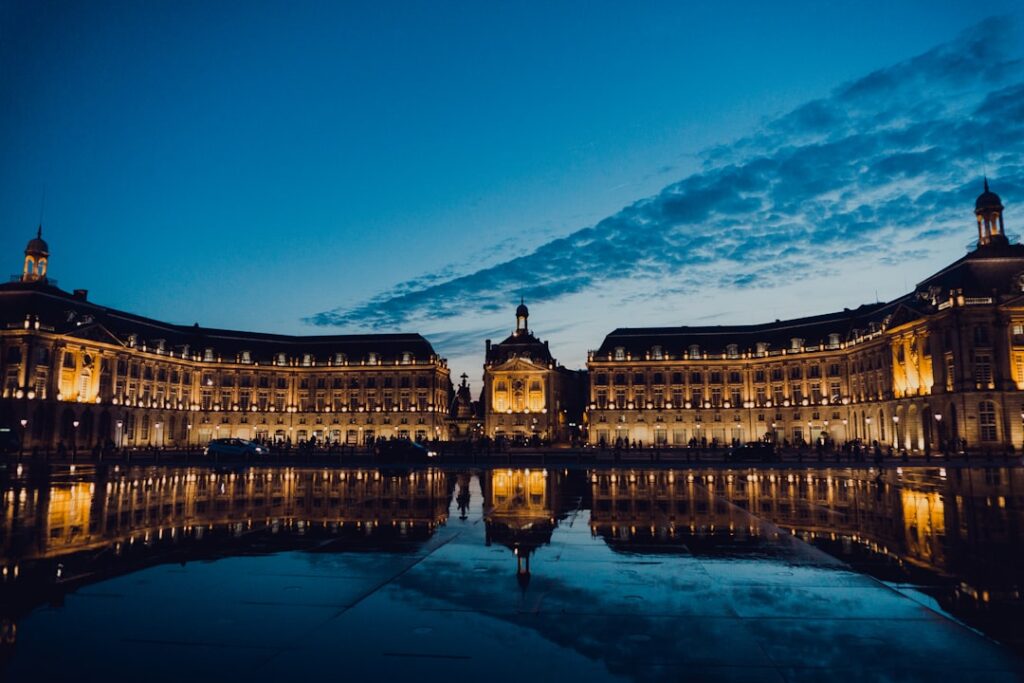
Local tips: art lovers should reserve at least an hour and a half; combine the visit with a walk around Place de la Bourse and the Water Mirror. Photographers should scout the works lit by natural light around midday, when the windows cast a soft glow.
5) Natural History Museum and Winter Garden — Natural Sciences in the Heart of the City
Name: Muséum d’Histoire Naturelle de Bordeaux (or Natural History Museum)
Address: 5 Place Bardineau, 33000 Bordeaux (near the Jardin Public) — check exact location depending on walking routes
Opening hours: generally open Tuesday to Sunday, 10:00–18:00; reduced winter Sunday hours; closed Mondays. Check ahead for temporary exhibits and school workshops.
Indicative prices: adult admission €3.00–6.00; reduced €2.00–4.00; free for under 18s and certain special admission days. Paid children’s workshops are sometimes offered.
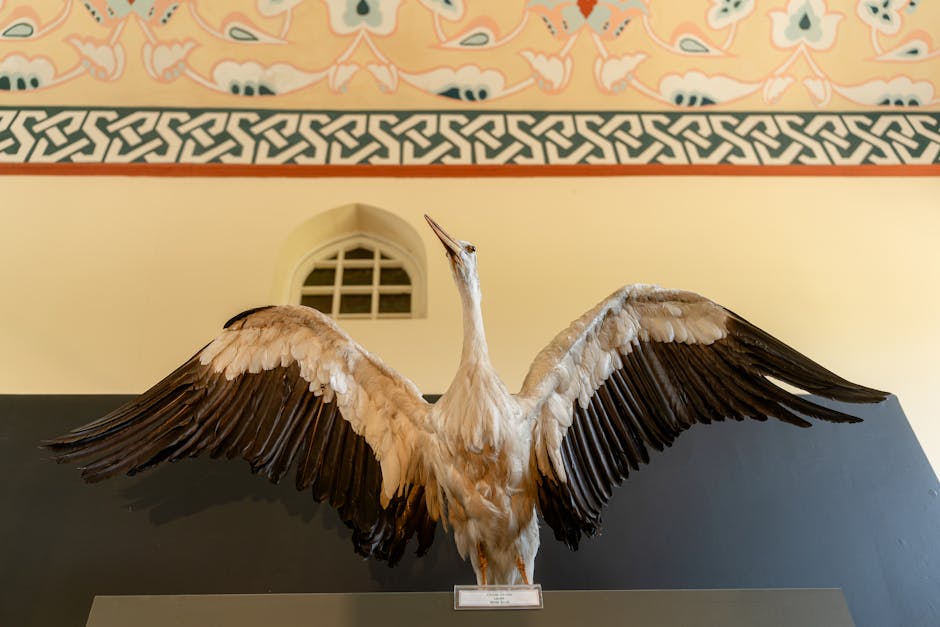
Immersive description: The Natural History Museum offers a dive into regional and global biodiversity: collections of taxidermy specimens, skeletons, minerals and temporary exhibits on ecology and conservation. The route, family-friendly, sparks curiosity with themed displays (Aquitaine fauna, birds, mammals) and interactive zones for younger visitors. The adjacent garden and greenhouses (the Winter Garden depending on programming) round out the urban nature experience.
Highlights: updated cabinets of curiosities, skeletons and educational exhibits on contemporary issues (climate change, habitat preservation). The museum frequently runs children’s workshops and naturalist talks for adults.
Local tips: ideal for family visits; pair it with a picnic in the nearby Jardin Public. Check workshop times for children (often morning or early afternoon) and book if necessary. Easy to reach by tram (Jardin Public stop) and within walking distance from the historic center.
Conclusion: Planning Your First Museum Route in Bordeaux
For a first cultural dive into Bordeaux, these museums offer a coherent palette: La Cité du Vin showcases the international, sensory side of wine; CAPC reveals the city’s artistic reinvention; the Musée d’Aquitaine traces its long social and maritime history; the Musée des Beaux-Arts immerses you in European classical traditions; and the Natural History Museum connects the city to its natural environment. Together they help you understand Bordeaux from complementary angles — historical, economic, artistic, scientific and contemporary.
Practical plan for a first day: start at La Cité du Vin in the morning (arrive at opening to enjoy the belvedere), head to CAPC around midday for a contemporary show, then finish the afternoon with a stroll to the Musée d’Aquitaine or the Musée des Beaux-Arts in the center. For a two-day stay, add the Natural History Museum and leave time for temporary exhibitions, which are often high quality and reflect the current programming of Bordeaux’s institutions.
Final tips: always check opening hours and the status of exhibitions on official sites before you go (museums frequently adapt hours for seasons and events). Consider buying tickets online for La Cité du Vin and for standout temporary exhibitions. Take advantage of guided tours and mediation services that greatly enrich the experience, especially if you’re short on time. And finally, pair culture with gastronomy: Bordeaux’s museums are surrounded by cafés and restaurants that make for convivial breaks — a perfect way to extend the visit while discussing works over a glass and a local plate.
Have a great stay in Bordeaux: may your first museum visits spark a desire to come back — each museum opens new paths for exploring the richness of the Bordeaux metropolis from fresh perspectives. Don’t forget: beyond the collections, it’s often the guides and temporary programs that create your most lasting memories.