





Introduction: The story and mystery of Bordeaux cannelés — a Bordelais madeleine
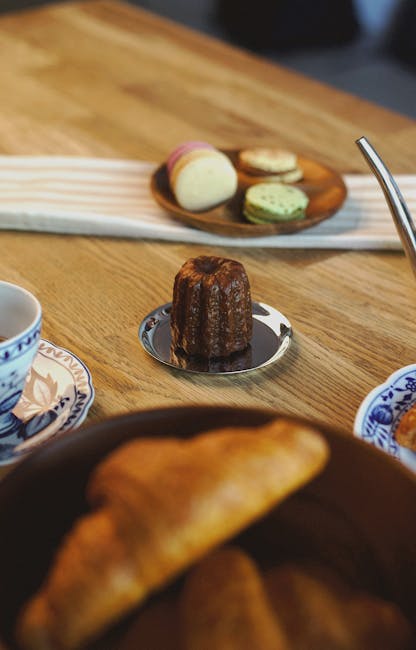
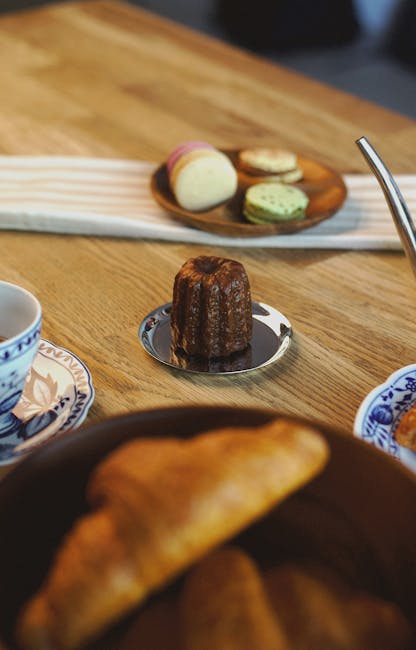
The Bordeaux cannelé is more than a pastry: it’s a culinary emblem, a piece of local heritage and a tiny object of fascination. Born in convent kitchens and refined by the region’s bakers and pastry chefs, the cannelé (or cannelé bordelais) is known for its shiny, slightly crunchy caramelized crust and its tender, vanilla- and rum-scented crumb. Its fluted shape, traditionally achieved by baking in small copper molds, has become the icon of a craft that Bordeaux takes pride in.
In this guide I’ll take you into the heart of Bordeaux — from batter to oven — to explore its history, the secrets of making them, the best places to taste them, and local tips for enjoying them to the fullest. We’ll cover the supposed origins: Gascon influences, the legacy of nuns and of baker’s guilds; traditional techniques (resting the batter, choosing copper molds, the thermal shock); and contemporary twists (chocolate or matcha cannelés, savory versions for aperitifs). You’ll also find standout addresses in Bordeaux for buying a still-warm cannelé, markets and workshops where you can watch artisans at work, and practical info (exact addresses, opening hours and indicative prices).
Throughout this guide I’ll detail how the batter is made — flour, eggs, milk, butter, vanilla, rum and sugar — why it needs resting, how that first act of greasing the molds affects texture, and the role the oven and copper molds play in perfect caramelization. I’ll share tasting tips: ideal temperature, the best time to buy (morning, just after baking), and how to reheat a cannelé at home to recapture its crust. Finally, you’ll get practical pointers for Bordeaux: markets, patisseries and workshops to try these delights, plus local recommendations for the best neighborhoods to pair your cannelé with a coffee or a glass of regional wine.
1) Historical origins and evolution: from convents to Bordeaux patisseries
The history of the cannelé is wrapped in legends and fragmentary records. Several theories coexist: some culinary historians see the legacy of the nuns in Bordeaux convents, who reused egg whites to starch vineyard workers’ shirts and transformed the leftover yolks into pastries; others point to the influence of bakers’ guilds and wine merchants who, in the 18th century, sought inexpensive recipes based on eggs, flour and milk. The fluted shape likely comes from the use of copper molds, either imported or made locally, which allow that unique caramelized texture.
From the 19th to the 20th century, the cannelé became professionalized. In Bordeaux, houses like Baillardran and La Toque Cuivrée helped popularize the cannelé on a large scale, standardizing its shape and baking methods. Industrial copies sparked debates: quality varied greatly depending on the type of mold and the technique. The recent revival (2000s–2020s) has seen artisans return to traditional principles: long resting of the batter (12 to 24 hours), well-greased copper or brass molds, and high-temperature baking to achieve a dark — almost burnt — crust without drying the interior.
In Bordeaux, the cannelé’s identity is tied to places. Markets like the Marché des Capucins (Place des Capucins, 33800 Bordeaux) have long been spots where artisans sold still-warm cannelés. Today you can visit small shops and workshops to watch the baking. Understanding the history of the cannelé is also a way of understanding Bordeaux: a port city, a trading crossroads and a land of gastronomy where local produce and foreign influences meet.
2) The recipe and technical secrets: batter, resting and baking
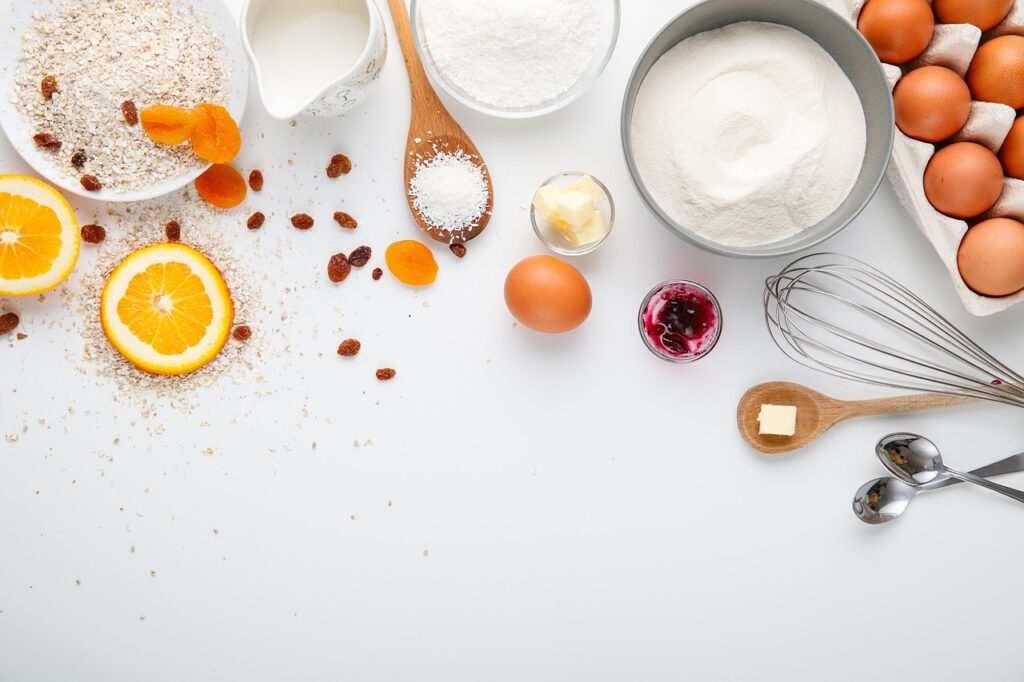
The classic cannelé recipe relies on simple ingredients but demands precise technique. Basic ingredients: wheat flour (about 250 g), sugar (200–300 g depending on the recipe), whole milk (1 liter), butter (50–100 g), whole eggs and yolks (3–4 whole eggs + 2 yolks), vanilla pods and a splash of dark rum (15–40 ml). But it’s not just about proportions: it’s how the batter is handled that matters.
Key steps and tips:
- Vanilla infusion: split a pod and infuse it in heated milk to extract all the aroma. Some pastry chefs add a touch of orange zest for a modern twist.
- Mixing and resting: after combining eggs and flour, the batter should ideally rest 12 to 24 hours in the fridge. This rest allows the flour to hydrate and the flavors to meld — a step often skipped by hobby bakers.
- Molds and greasing: the traditional mold is tinned copper; today some use brass or silicone (less recommended). Greasing must be generous and even to get that shiny crust. Pastry chefs often use warm clarified butter to help it stick.
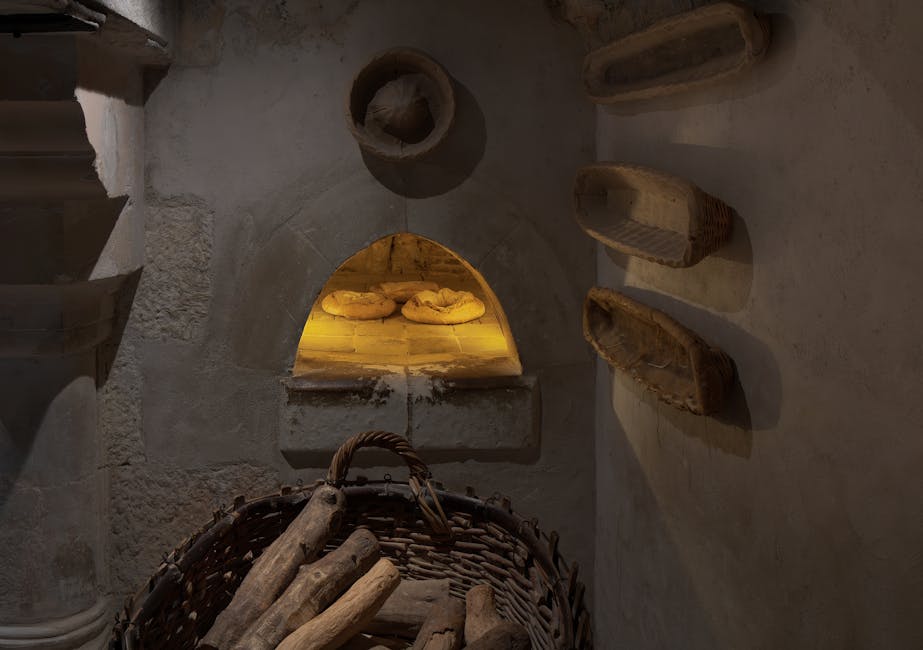
- Baking and thermal shock: start at a high temperature (220–250 °C) to caramelize the exterior, then lower to 180–200 °C to finish baking the inside. The caramelization creates that dark, almost “burnt” crust that guards a soft crumb. Golden rule: let the cannelé cool a few minutes out of the mold so the crust releases cleanly without breaking.
Indicative prices in Bordeaux: a traditional cannelé usually sells for €1.20–€2.50 each depending on size and reputation of the shop. A box of 6 typically costs between €7 and €15. Typical opening hours: shops often open early (8–9am) to sell fresh-from-the-oven cannelés and close around 6–7pm. To get the perfect cannelé, buy it in the morning or just after the afternoon batch comes out (around 3–4pm at some patisseries).
3) Where to taste them in Bordeaux: iconic addresses and markets
Bordeaux is full of places to enjoy an authentic cannelé, from historic shops to bustling markets. Here’s a representative selection, with addresses, opening hours and price ranges observed on site.
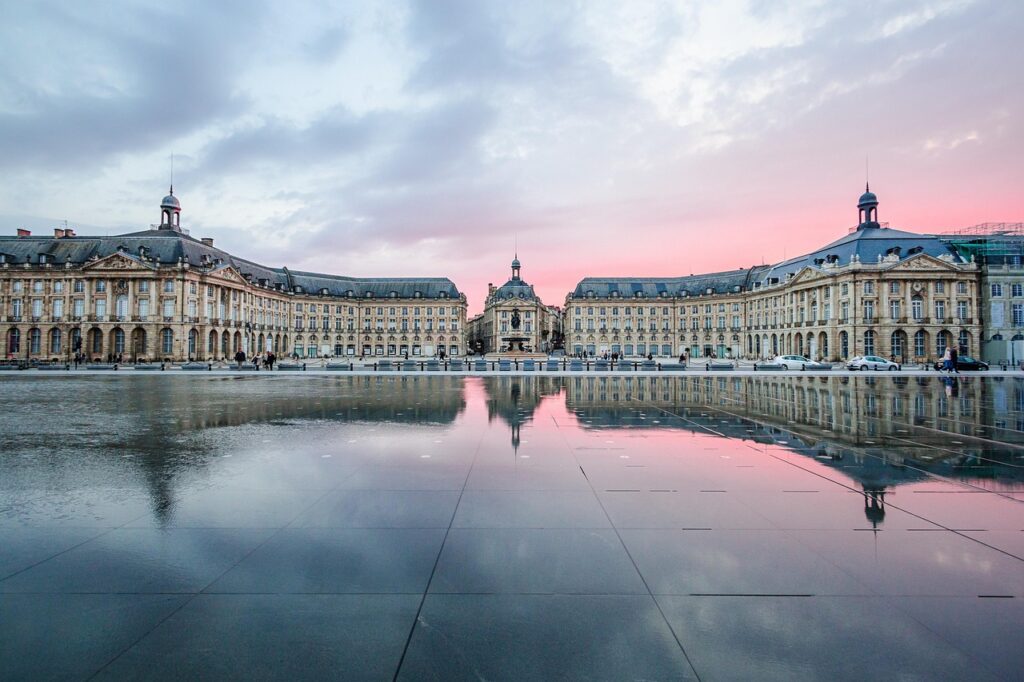
- Baillardran Boutique Bordeaux – Place de la Bourse, 33000 Bordeaux. Hours: Monday–Sunday 9am–7pm. Price: single cannelé ≈ €1.50–€2.20; box of 6 ≈ €10–€12. Description: an iconic shop with regular batches and heavy tourist traffic, fast service and the option to buy still-warm cannelés.
- La Toque Cuivrée – Sainte-Catherine Boutique – 92 Rue Sainte-Catherine, 33000 Bordeaux. Hours: Tuesday–Sunday 8:30am–7pm; closed Monday. Price: single ≈ €1.30–€2.00. Description: renowned for a tender interior, often long lines at weekends. Great to combine with shopping on Rue Sainte-Catherine and a quick taste.
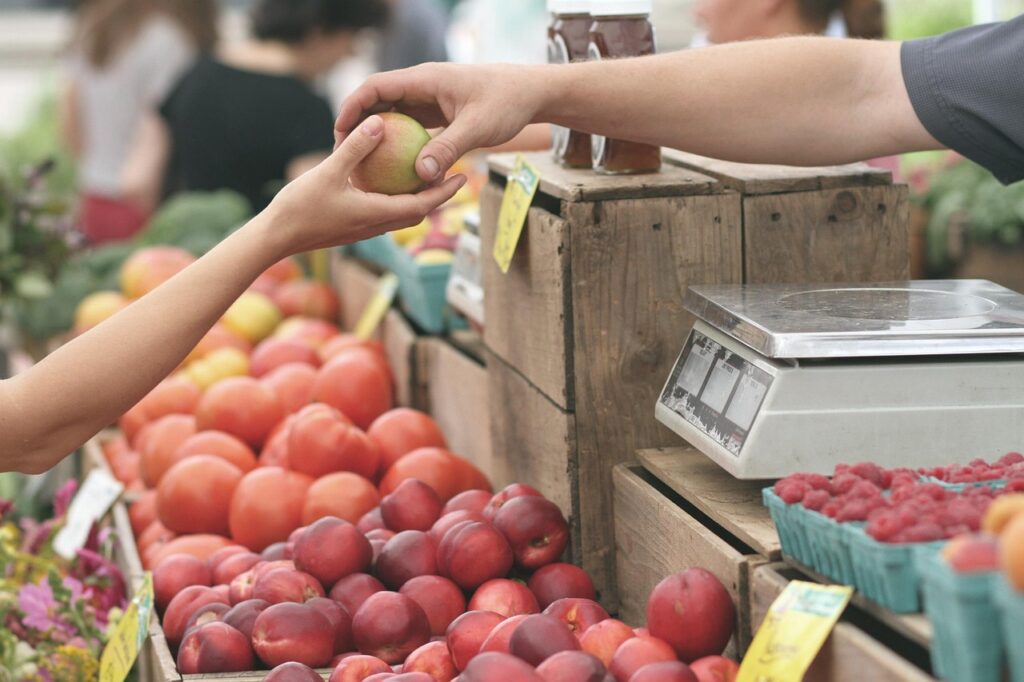
- Marché des Capucins – Place des Capucins, 33800 Bordeaux. Hours: covered market 6am–2pm (varies by vendor). On-site prices: artisanal cannelés ≈ €1.20–€2.00. Description: local atmosphere, baker stalls selling warm cannelés; perfect for an authentic breakfast.
- Pâtisserie L’Entrepôt – 4 Rue du Hâ, 33000 Bordeaux. Hours: 8am–6:30pm. Price: single ≈ €1.50; chocolate or pistachio variations ≈ €2.50. Description: a small artisan shop known to locals, daily baking and tasting advice from the staff.
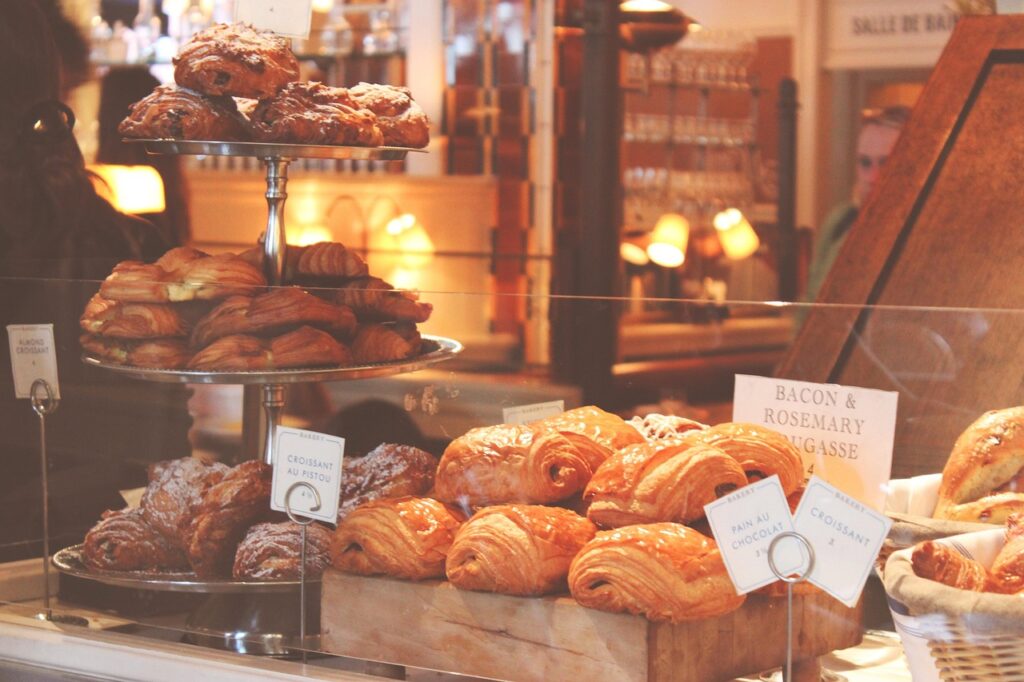
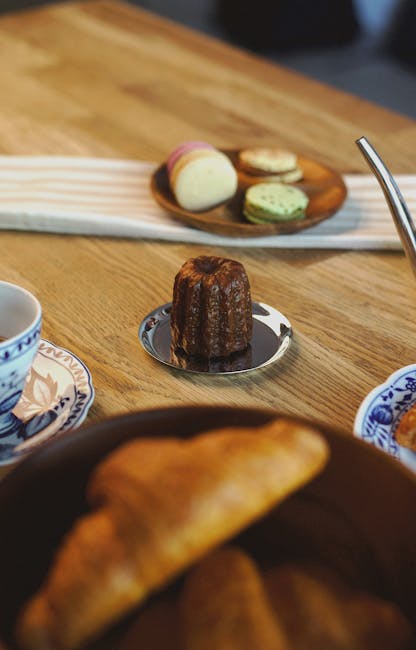
Local tips: always ask whether the cannelés came out “10 minutes ago”; favor the traditional model over industrial variants; if you visit a shop late in the afternoon, check whether a new batch was just made — otherwise head to a market in the morning. Pair with: an espresso (≈ €1.50–€2.50) or a small glass of Sauternes for a sweet-salty Bordeaux twist.
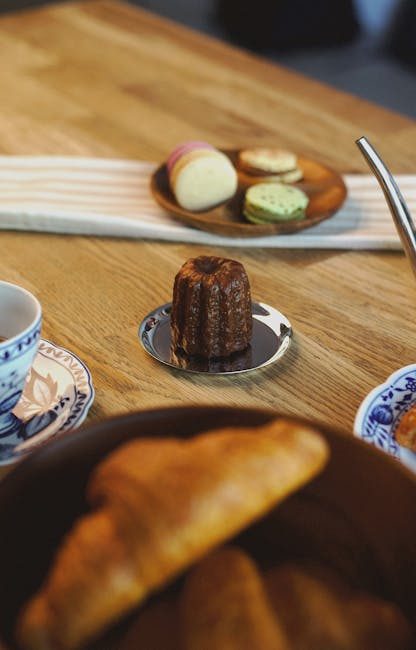
4) Workshops, modern variations and tips for bringing cannelés home
If you want to dive deeper into the craft, several workshops and classes in Bordeaux offer sessions on making cannelés. Check with the Bordeaux Métropole Tourist Office (Place de la Bourse, 33000 Bordeaux, hours: 9am–6pm, closed certain holidays) which lists available workshops. Sessions typically last 2–3 hours, cost between €45 and €90 per person depending on the package (including tasting and recipes), and let you take home your creations.
Modern takes: Bordeaux pastry chefs are renewing the tradition with flavored cannelés (coffee, chocolate, red fruits) and savory versions for aperitifs (goat cheese, herbs, cumin). These gastronomic creations are mainly found in city-center bakeries and at food events like the Bordeaux Food Festival (dates vary).
Tips for bringing cannelés home: choose insulated boxes if your trip is short (1–3 hours). For longer travel, favor industrially packaged or specially canned cannelés, or pick less-browned (more tender) cannelés that travel better. To reheat at home: 5 to 8 minutes in a 160 °C oven will restore crispness without drying the interior.
Conclusion: Between tradition and modernity, the cannelé as a gateway to Bordeaux
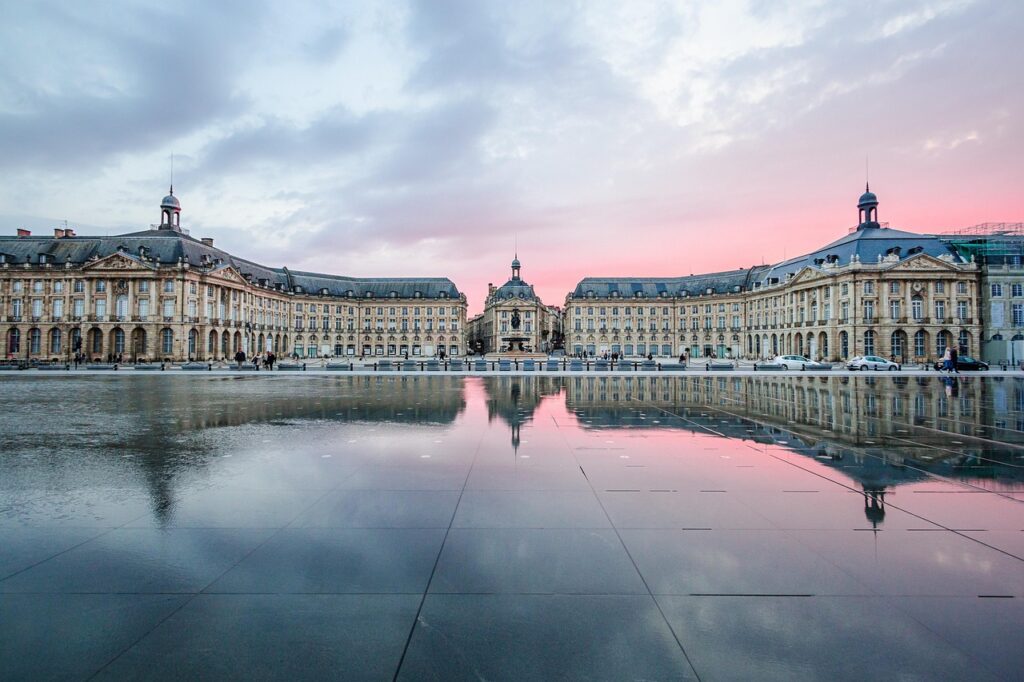
The Bordeaux cannelé perfectly illustrates the balance between tradition and innovation that defines Bordelaise gastronomy. At once simple and technical, humble ingredient and prestige object, it embodies a region’s commitment to quality products and artisanal know-how. Walking Bordeaux’s streets — from the majestic Place de la Bourse to lively markets like Marché des Capucins, through historic shops and hands-on workshops — you’ll discover that every cannelé tells a story: the oven that caramelized its crust, the infused vanilla, the patient resting of the batter, and the pastry chef’s eye that judges the perfect bake.
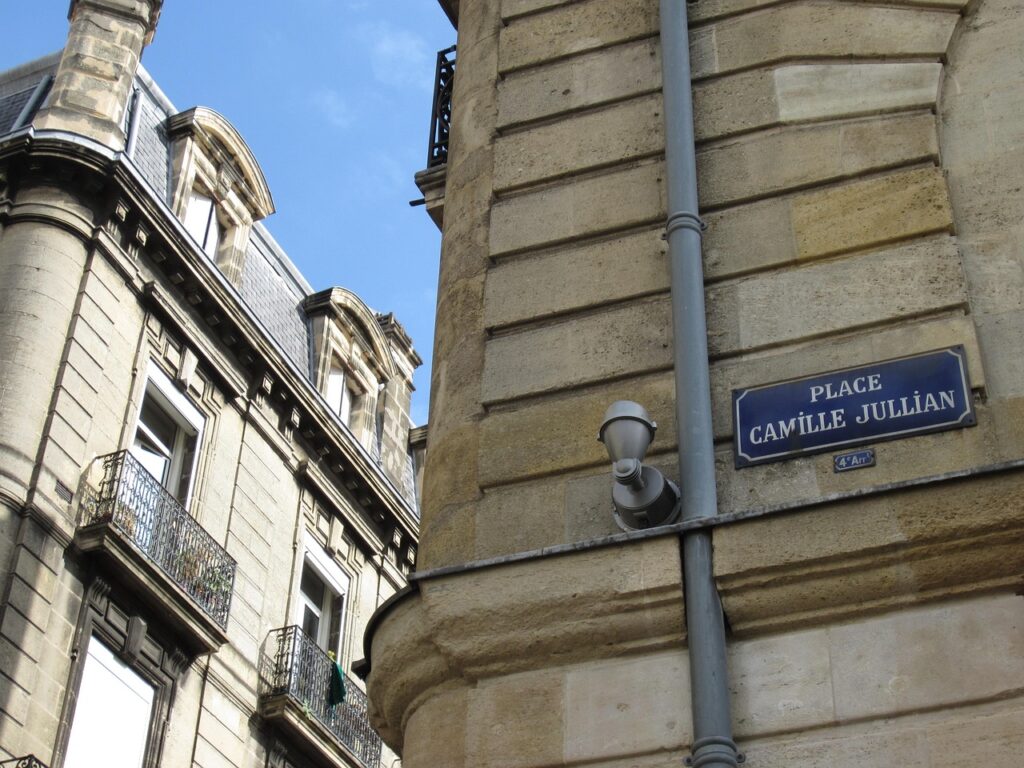
Practical tips for travelers: buy your cannelés early in the morning or just after a fresh batch, favor houses that use traditional molds, and ask locals for recommendations to avoid overly industrial variants. If you have time, join a workshop so you take away not only a box of cannelés, but the gesture and memory of making them. Above all, enjoy tasting it as a sensory stop on your trip: a cannelé eaten by the Garonne, with a coffee on Place Camille Jullian or as a sweet-savory snack in the Chartrons neighborhood, turns a simple treat into a memorable Bordelais experience.
Whether you’re a pastry lover, curious traveler or seasoned foodie, let the cannelé guide you through Bordeaux. Small but evocative, it’s a fragment of local culture to savor, bring back and learn to recreate at home.