





Introduction
Exploring Bordeaux at your own pace starts with the decision to slow down and really soak in a city that’s as lived-in as it is visited. As the historic capital of Aquitaine, Bordeaux unfolds along the Garonne with honey-colored stone facades, elegant squares, bustling shopping streets and revamped riverfronts. Each way of seeing the city—on foot, by bike or from the water—offers a different take: you notice different details, the ambient soundscape changes, and your sense of time shifts. This guide aims to walk you through the practical and immersive pros and cons of the three best ways to experience Bordeaux, with exact locations, addresses, up-to-date prices and times so you can plan your stay with confidence.
Walking through Bordeaux remains the most intimate and authentic method if you want to breathe in the alleys, squares and museums. The compact layout of the historic center—particularly Saint-Pierre, Place de la Bourse and Rue Sainte-Catherine—lends itself to exploring on foot. If you want to cover more ground while keeping that close connection to the city, cycling is an excellent option: the quays, boulevards and bike paths offer pleasant, safe and speedy routes. And then the Garonne cuts through the city and provides a completely different perspective: from the water the facades and bridges tell another story, and river cruises come with historical commentary and options to head out toward vineyards or the estuary.
This guide breaks down the three visit formats, with recommended starting points (names and addresses), typical opening times, updated prices in euros and local tips to get the most out of each experience. You’ll also find practical recommendations: where to rent a bike, which boat operator to favor, which walking route suits your pace, and tips to avoid crowds or reach lesser-known spots. The goal is to help you build a personalized itinerary based on what you want, your fitness level and how much time you have, while respecting Bordeaux’s unique atmosphere.
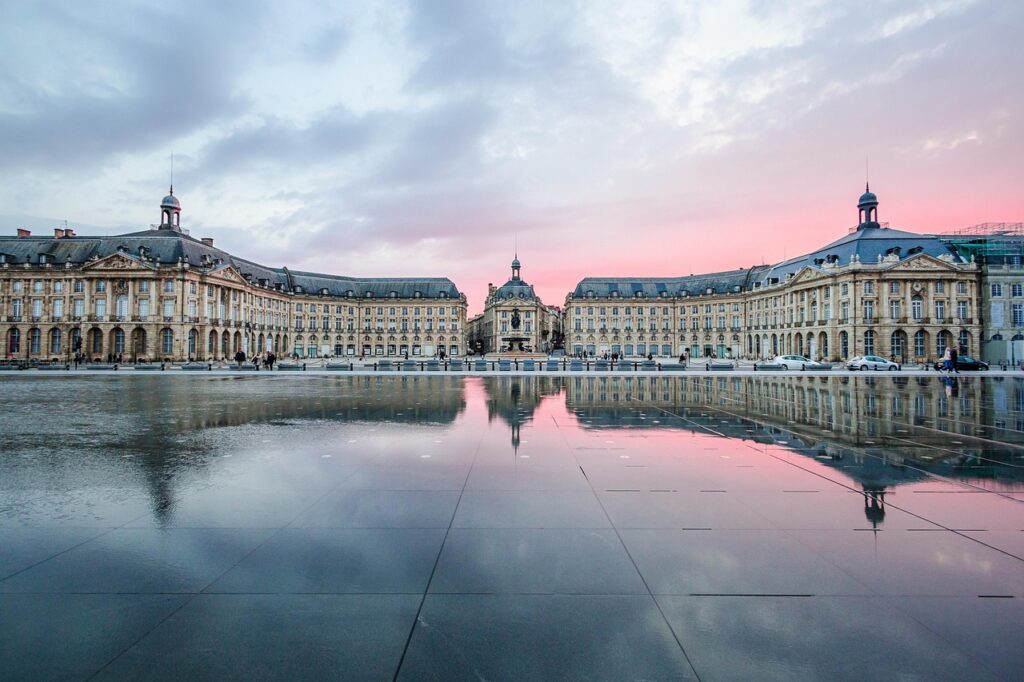
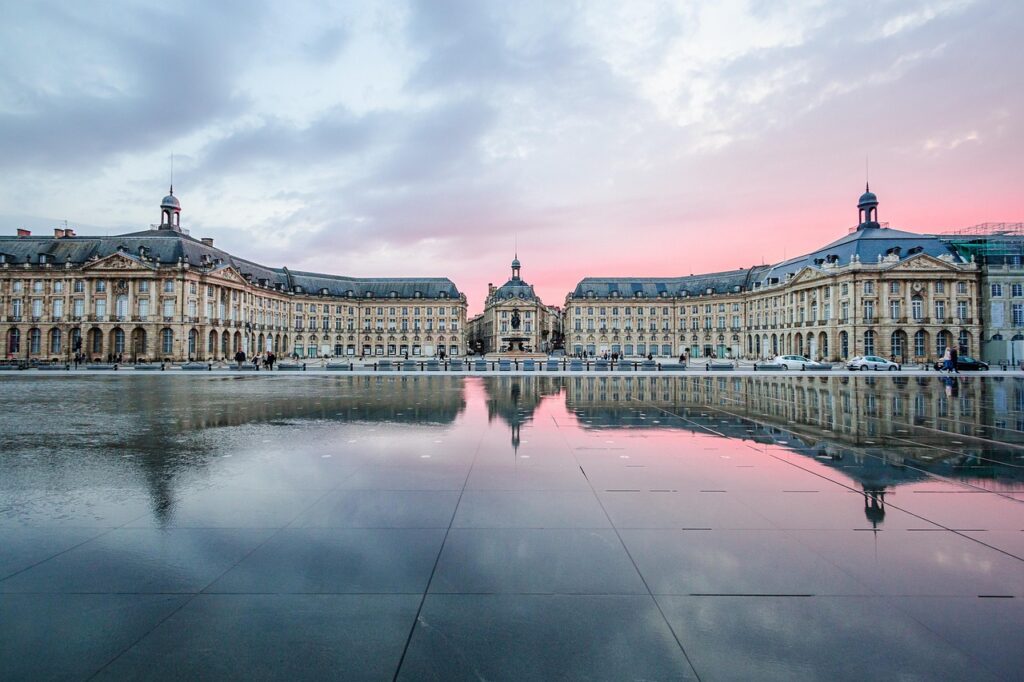
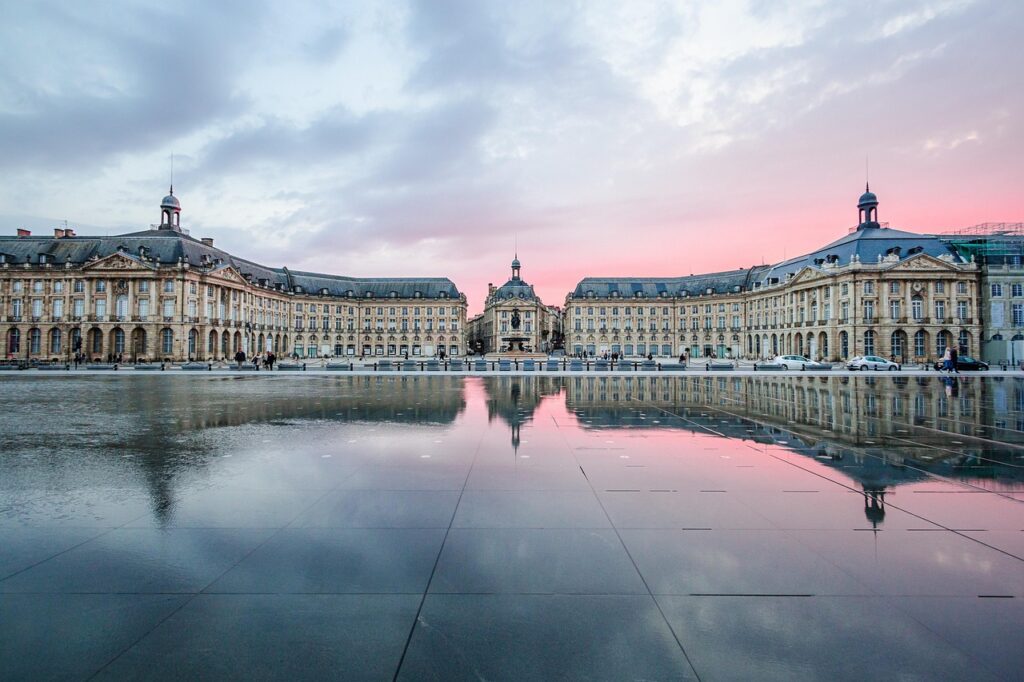
Before we dive in, a few practical reference points: the Office de Tourisme Bordeaux Métropole is located at 12 Cours du 30 Juillet, 33000 Bordeaux (generally open Monday through Sunday, 9:00–18:30; Sunday hours can vary off-season), and is a great place to buy tickets, book guided visits and pick up maps. The Water Mirror at the Place de la Bourse, 33000 Bordeaux is a classic meeting point and a visual landmark to start a walking tour, a bike ride or a cruise. With these reference points in mind, let’s explore the three visit formats and what each does best.
1) On foot: immersion, details and cultural discovery
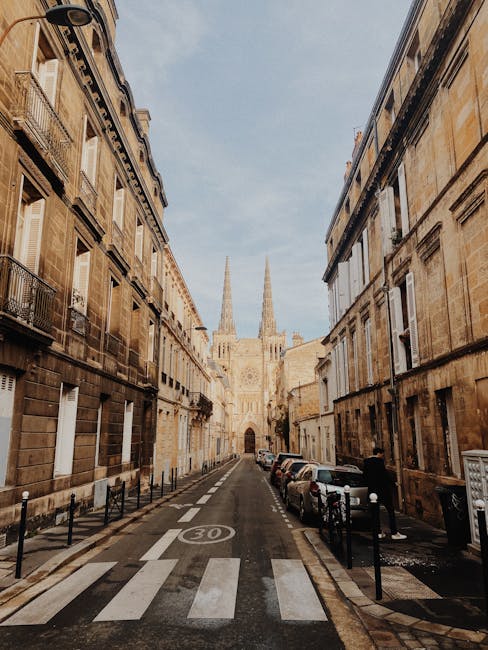
Walking is the slowest pace but often the richest sensory experience. In Bordeaux the main points of interest sit close together, making walking particularly suitable. Start in the Saint-Pierre quarter and at Place Pey-Berland (Place Pey-Berland, 33000 Bordeaux), where the Cathédrale Saint-André and the Pey-Berland Tower stand. Cathédrale Saint-André (Place Pey-Berland, 33000 Bordeaux) is open to the public; typical opening hours are roughly 8:30–18:00 depending on the season, and entrance to the building is usually free (tower ascent is paid, about €6, hours may vary). Continue on to the Place de la Bourse (Place de la Bourse, 33000 Bordeaux) and the famous Water Mirror (recently modified to alternate water and mist depending on the weather), perfect for photos and feeling the city center’s energy.
Practically speaking, expect to spend a half-day for a solid tour of the historic core (around 2 to 4 km of walking depending on detours). Guided walking tours offered by the tourist office typically cost between €12 and €18 per adult for a 1.5–2 hour walk (for example: the “Historic Bordeaux” tour). Example: Office de Tourisme Bordeaux Métropole, 12 Cours du 30 Juillet, 33000 Bordeaux — ticket desk open 9:00–18:30 (rates and times may change with season and events).
Main advantages of walking:
- Close-up access: you have time to pop into shops, slip into churches and chat with local shopkeepers.
- Flexibility: stop whenever you like for a coffee at the Café Français (3 Place du Parlement, 33000 Bordeaux, roughly 8:00–1:00; drinks from about €2.50) or for a cannelé tasting break.
- Architectural details: the stone facades, the grand townhouses on Rue Sainte-Catherine and hidden inner courtyards reveal themselves best on foot.
Local tips: aim for a walking tour early in the morning (no later than 9:00) to avoid groups and enjoy the facades in soft light. Bring comfortable shoes and a water bottle—the summer can be hot. For a cultural route, combine Cathédrale Saint-André, Rue Sainte-Catherine (Europe’s longest pedestrian shopping street: Rue Sainte-Catherine, 33000 Bordeaux), Place Gambetta (Place Gambetta, 33000 Bordeaux) and the Grand Théâtre (Place de la Comédie, 33000 Bordeaux; interior guided tours are sometimes available, tickets around €8–12).
2) By bike: mobility, range and quay-side pleasure
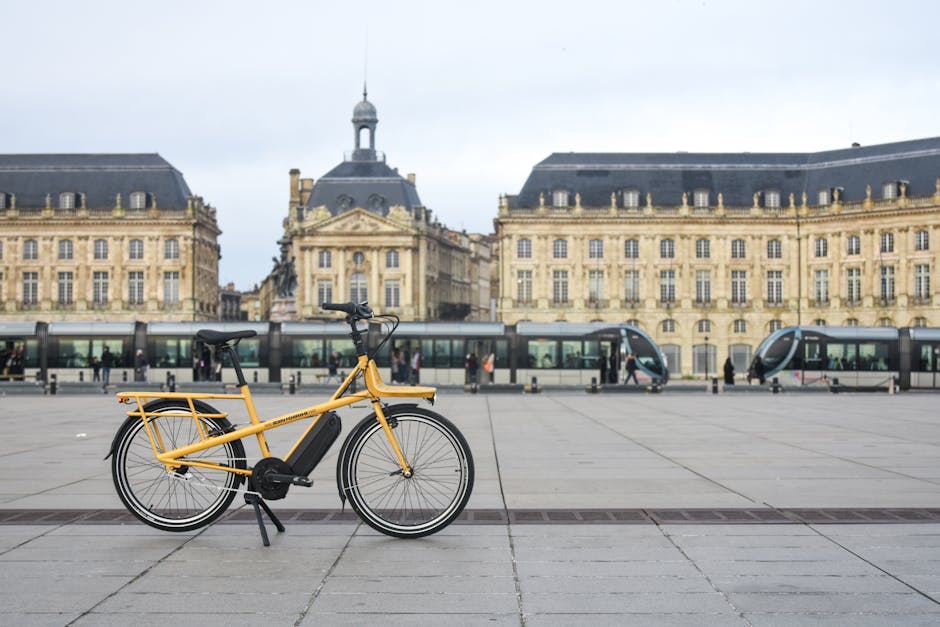
Cycling has become one of the most pleasant and practical ways to get around Bordeaux. Thanks to dedicated bike lanes and the riverfront quays, you can cover much more ground than on foot while staying connected to the urban environment. To get started, use the V3 stations (the city’s bike-share system); a common station is Station V3 – Place de la Bourse, 33000 Bordeaux. V3 pricing is often: €1 for 30 min depending on the subscription type (rates vary, day passes and monthly subscriptions available via the official app). For those who prefer a traditional rental, shops like Cycles Lutetia or Cyclable Bordeaux (addresses vary; check online) offer daily rentals around €12–25 per day for a standard bike, and €25–45 for an electric bike.
A typical bike route: start at Place de la Bourse (Place de la Bourse, 33000 Bordeaux), take the quays (Quai Louis XVIII, Quai Richelieu) toward the Pont de Pierre (Pont de Pierre, 33000 Bordeaux) then continue to Parc aux Angéliques and the Jardin Botanique (Cours de Verdun, 33000 Bordeaux). This route lets you enjoy views of the right bank, the listed facades and the refreshment stalls along the quays. Most bike lanes are separated from high-traffic roads, but stay alert for pedestrians, especially on the quays during busy hours.
Advantages of cycling:
- Speed: you cover more sights in less time (ideal if you only have a day).
- Freedom: frequent stops for photos, coffees and tastings at markets (for example: Marché des Capucins, Place des Capucins, 33800 Bordeaux — open Wednesday–Sunday depending on hours, local specialties from about €3).
- Access to riverfront areas: bike paths along the Garonne offer open views.
Practical tips: check the bike before you set off (brakes, tires), use a sturdy lock if you plan to leave the bike for a while (locks often included with rentals), and bring a paper map or a power bank for your phone. E-bikes are handy for tackling the boulevards faster and for less-trained riders; they typically rent for €25–€45 per day. If you book a guided bike tour—like “Bordeaux by Bike: Quays and Vineyards” offered by some agencies—expect around €25–40 per person for 2–3 hours, often including a helmet and support.
3) River cruise: perspective, relaxation and extended routes
Seeing Bordeaux from the Garonne offers a spectacular and unique viewpoint. River cruises let you admire the row of listed facades, the Pont de Pierre and the modern Chaban-Delmas lift bridge from the water, accompanied by historical and architectural commentary. A well-known operator is Bateaux Bordelais (boarding commonly at Quai Richelieu, 33000 Bordeaux). Urban cruises usually last between 1:00 and 1:30; fares are around €16–25 per adult. Themed cruises (aperitif, dinner, sunset) cost more: €30–€70 depending on the formula.
Times and frequency: in high season (April to October) departures run more often from about 10:00 to 20:30 or later for dinner cruises. In low season check the port ticket desk or the operator’s website for current schedules. Indicative example: boarding at Quai Richelieu (at the foot of Place de la Bourse) — ticket desk open 10:00–18:00; cruises daily in high season, weekends and holidays in low season.
Advantages of a cruise:
- Unique perspective: the view from the water highlights the alignment of facades and the sweep of the urban landscape.
- Relaxation: a great way to rest after hours of walking or cycling.
- Extended routes: options to cruise out to the estuary, the right-bank vineyards or the Médoc (half-day to full-day excursions).
Local tips: book ahead for dinner cruises and seasonal evening events—seats sell out fast. Bring a windbreaker for evening crossings—the Garonne breeze can be cool even in summer. If you want to combine wine tasting and a boat trip, opt for a cruise that includes a tasting, sometimes departing from the Port de la Lune, Quai Richelieu, 33000 Bordeaux; tasting-inclusive fares typically run €30–€60 depending on the number of wines offered.
4) Practical tips, possible combinations and sample itineraries
One of Bordeaux’s greatest assets is the ability to combine the three formats for a full experience. For example, start with a morning walk (9:00–11:00) in Saint-Pierre and Rue Sainte-Catherine, rent a bike to ride the quays in the afternoon (12:30–16:00), and finish with a sunset cruise (19:00–20:30). Here are sample itineraries depending on your time:
- Half-day (3–4h): a walking tour of the highlights — Place de la Bourse (Place de la Bourse, 33000 Bordeaux), Water Mirror, Grand Théâtre (Place de la Comédie, 33000 Bordeaux) — followed by a coffee at the Café du Théâtre.
- Full day (7–9h): morning on foot (Saint-André, Rue Sainte-Catherine), lunch at Marché des Capucins (Place des Capucins, 33800 Bordeaux), afternoon by bike along the quays to Jardin Public (Cours de Verdun, 33000 Bordeaux) and an evening river cruise on the Garonne.
- Day trip (vineyards): head out by boat or minibus to the right bank for a tasting at Château Pape Clément (Avenue du Dr Nancel Pénard, 33600 Pessac) or other estates, by reservation (domain tasting fees: €10–€30 depending on the château; guided vineyard tours from €20–€50).
Some logistical and safety tips:
- Tickets and reservations: book online for dinner cruises and for some guided walking tours in high season. The Office de Tourisme (12 Cours du 30 Juillet, 33000 Bordeaux) can print tickets and advise on schedules.
- Opening times: museums like La Cité du Vin (1 Esplanade de Pontac, 33000 Bordeaux) typically open 10:00–18:00; adult tickets around €20 (indicative). Check online for temporary exhibits and discounts.
- Reduced fares: students, under-26s and families often get discounts on museums and cruises—keep ID handy.
- Getting around: the tram network (lines A, B, C, D) serves the center. Example: « Quinconces » station (Place des Quinconces, 33000 Bordeaux) links easily to many central spots.
Local tips: avoid peak tourist hours around the Water Mirror between 11:00 and 16:00. For a more authentic vibe, visit Marché des Capucins before 10:00. For panoramic views, climb the Pey-Berland Tower (ticket about €6) or book a rooftop table like the one at Hôtel de Sèze (address: 25 Rue du Cancera, 33000 Bordeaux — hours and availability vary).
Conclusion
Discovering Bordeaux at your own pace means picking the visit format that best fits your desires, fitness and available time. Walking offers an unmatched cultural and sensory immersion: grand townhouses, intimate squares and small shops reveal themselves when you slow down. Cycling combines speed and pleasure—perfect for linking the quays, Jardin Public and outer neighborhoods while staying in touch with Bordeaux’s light and air. A cruise on the Garonne gives an original, restful viewpoint: from the water the city takes on a near-theatrical quality, with options to head out to vineyards and the estuary.
In practice, most visitors will get the most from combining the three formats: walk for the details, pedal for mobility and board a boat for perspective. For logistics, use the Office de Tourisme Bordeaux Métropole (12 Cours du 30 Juillet, 33000 Bordeaux) as your go-to; for bikes, the V3 station at Place de la Bourse is convenient, and for cruises, board at Quai Richelieu. Prices vary: guided walks €12–€18, bike rentals €12–€45/day depending on type, cruises €16–€70 depending on the formula—remember to book in season.
Finally, a few tips to make the most of your visit: start early to beat the crowds, stay flexible so you can linger in a neighborhood you love, and don’t miss local specialties (cannelés, Bordeaux wines, Arcachon Bay oysters in season). Bordeaux invites a slow, generous exploration—each format reveals a different side of this wine and architecture capital. Match your rhythm, mix the approaches and savor the variety of emotions the city offers with every step, pedal stroke or ripple against the hull.