





Introduction: Bordeaux Wines Explained — Appellations, Grape Varieties and Cannelé Pairings
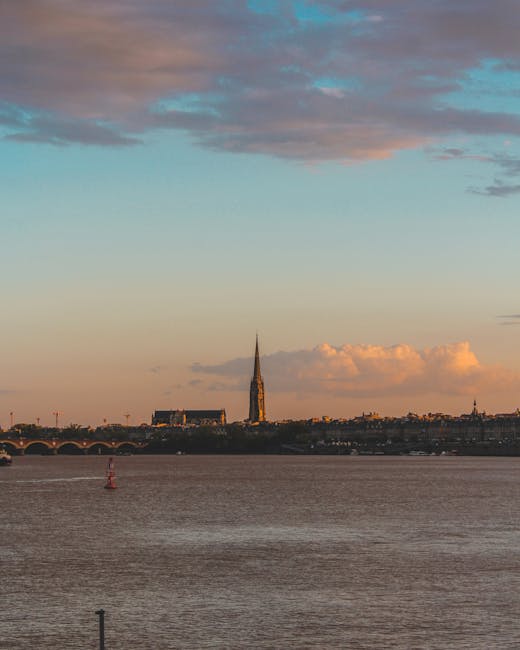
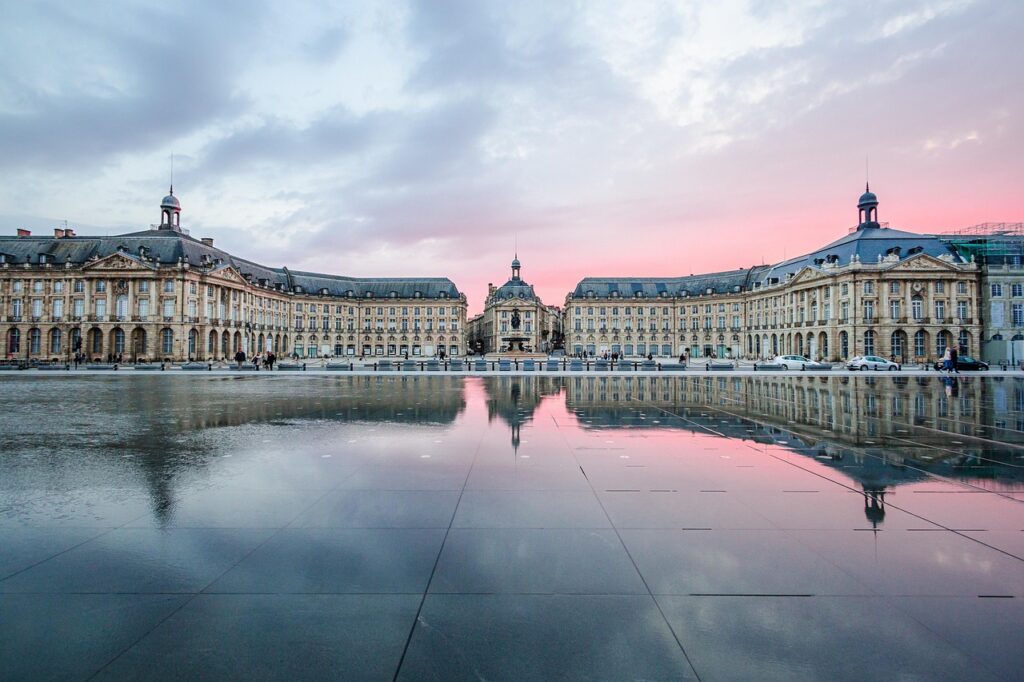
Bordeaux is more than just a wine region: it’s a living landscape steeped in history, honey-colored stone façades, winding roads through vine-covered hills and a food culture built around matching dishes with the right bottle. Getting to grips with Bordeaux wines means navigating long-established appellations, grape varieties that reflect soil and climate, and local ways of tasting — including the delightful, sometimes surprising match between cannelés, those caramelized little cakes from Bordeaux, and certain regional wines. This practical guide gives you a clear dive into Bordeaux appellations, key grape varieties and the best cannelé-and-wine pairings, with addresses, price estimates, opening hours and down-to-earth local tips to help plan your visit or sharpen your wine knowledge.
Bordeaux is a patchwork of appellations: from the northern Médoc to the clay-limestone slopes of Saint-Émilion, and the clay and gravel soils of Pomerol, Graves and Sauternes. Each appellation has its own style tied to soil, exposure and the grape varieties favoured there: Merlot dominates red blends on the right bank, while Cabernet Sauvignon rules on the left bank. Knowing these two broad families makes it a lot easier to pick a bottle, whether you’re after something to cellar, a everyday dinner wine, or a dessert wine to go with a cannelé.
This guide includes practical details: full names of sites (châteaux, cellars or tasting spots), exact addresses (street, postal code, town), indicative prices in euros (entry fees, tasting costs and on-site bottle prices) and opening hours. You’ll also find immersive descriptions to help visualize the experience — from a sunlit cellars tour to tasting on a terrace overlooking vines. Local tips will help you dodge tourist traps, time your visits by season, and buy bottles following the etiquette of each estate.
Whether you’re a curious wine lover, a traveller planning a Bordeaux itinerary or a host hunting the perfect cannelé-and-wine pairing for a dinner, this guide helps make sense of it all. It’s not a sommelier course, but it gives you the practical keys and general knowledge to navigate appellations, recognise grape varieties and create delicious pairings where cannelés play a charming, delicate role.
Appellations of Bordeaux: map, styles and must-see addresses
Bordeaux features dozens of appellations (AOC/AOP) often grouped into larger zones: the left bank (Médoc, Haut-Médoc, Pauillac, Saint-Julien, Margaux, Graves, Pessac-Léognan), the right bank (Saint-Émilion, Pomerol, Fronsac), the islands and coastal area (Entre-Deux-Mers) and the sweet wines of the south (Sauternes, Barsac). Each is defined by soil, exposure and preferred grape varieties, and offers very different visitor experiences: grand classified châteaux, small family estates or cooperative cellars.
A few essential places to visit to understand these appellations better:
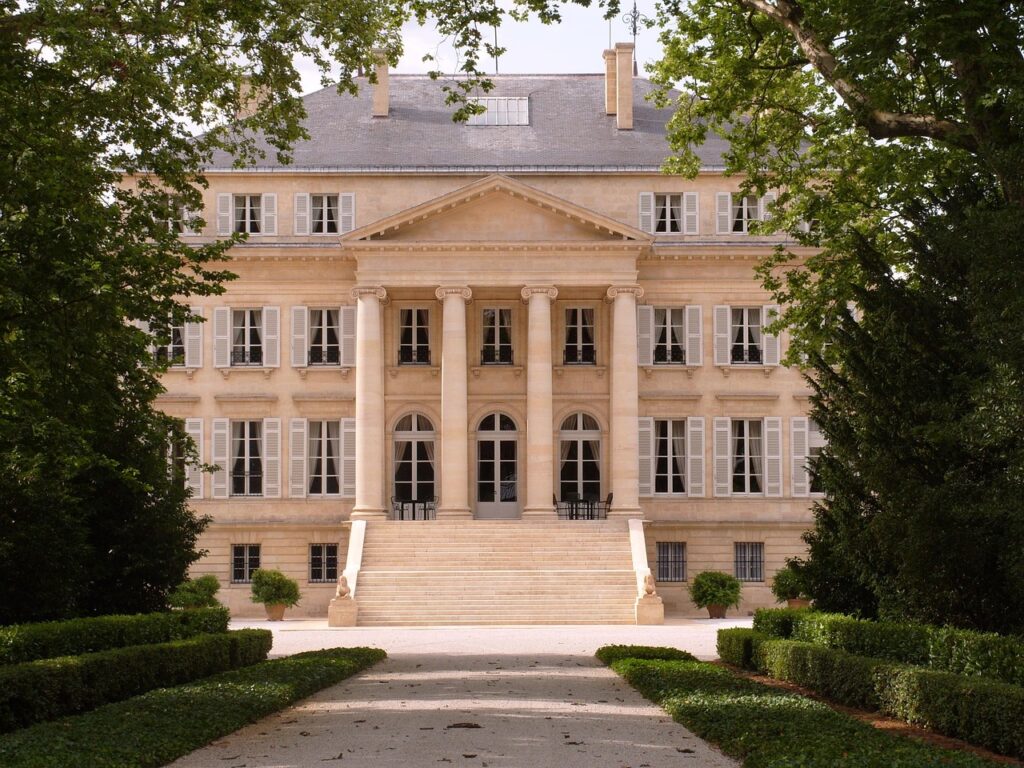
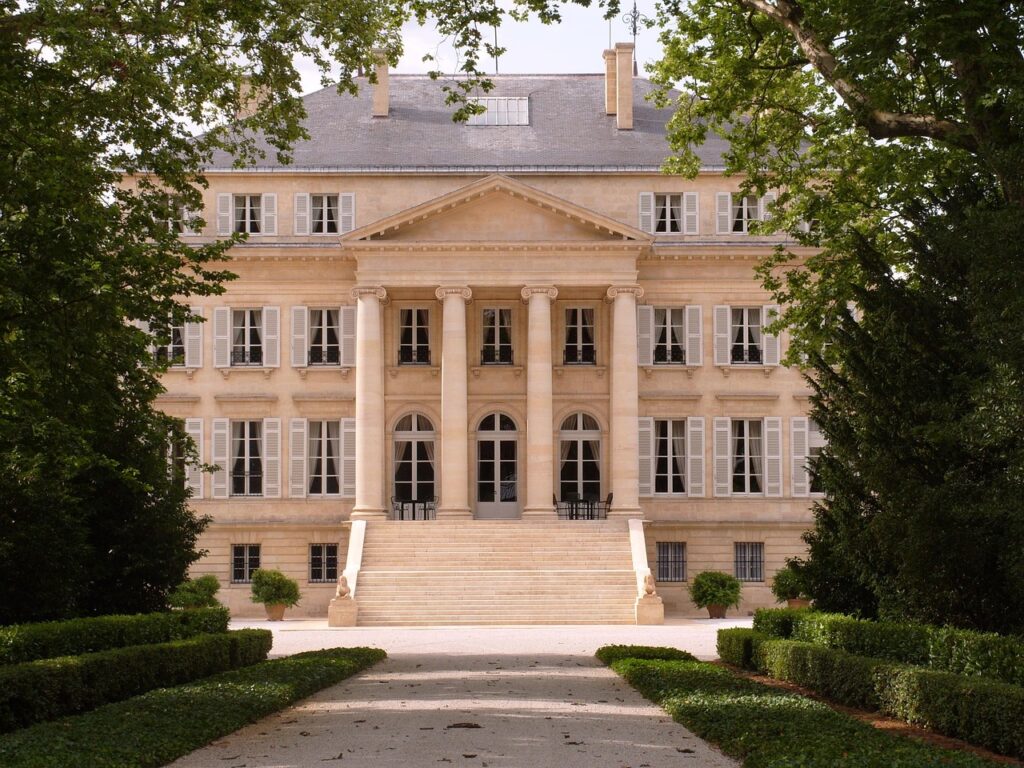
- Château Margaux (Château Margaux, 33460 Margaux) — Address: Avenue de Bordeaux, 33460 Margaux. Guided tours by reservation; indicative prices: classic tour €30 per person, prestige tour €60; hours: generally 10:00–12:00 and 14:00–17:00 (times vary, reservation required). Description: an emblematic estate with neoclassical architecture, plane-tree alleys and a historic cellar. Tastings are held in a sober, light-filled room.
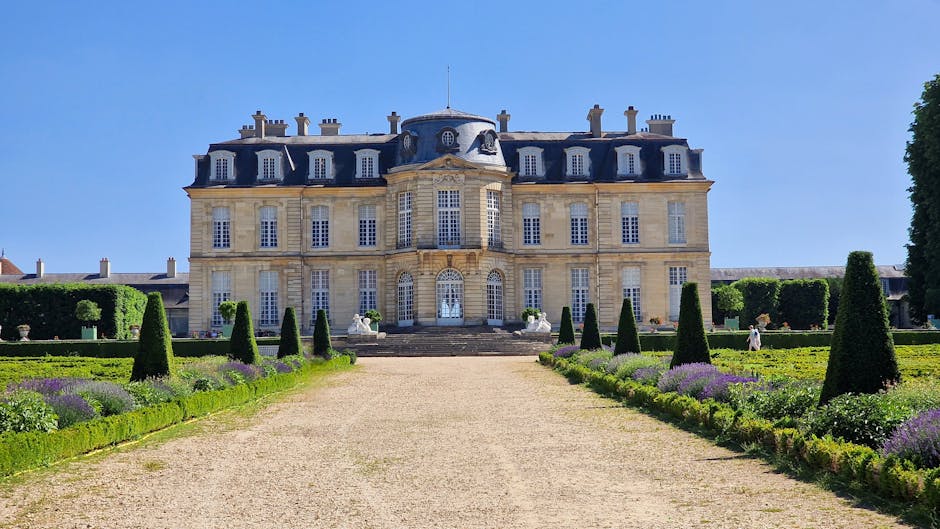
- Château Beychevelle (Château Beychevelle, 33250 Saint-Julien-Beychevelle) — Address: Route de Pauillac, 33250 Saint-Julien-Beychevelle. Prices: tour + tasting €20–45, shop open 09:00–18:00. Description: notable for its façades and sculpted park, it offers an immersion into Médoc history with views over the estuary.
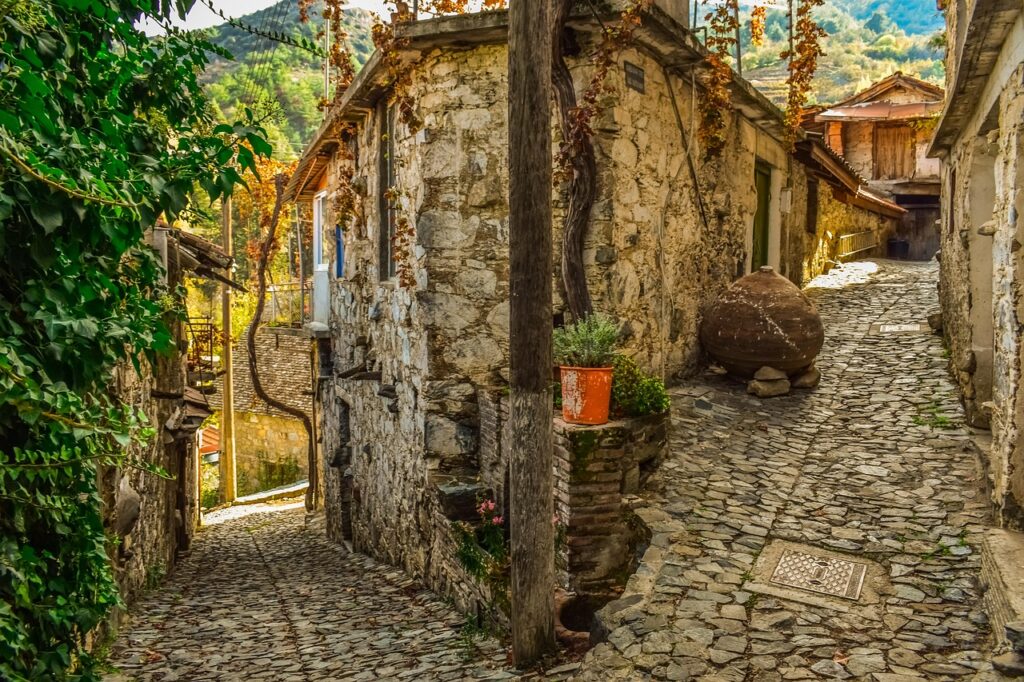
- Château de Ferrand (Saint-Émilion) — Château de Ferrand, 2 Lieu-dit Ferrand, 33330 Saint-Émilion — Tours €12–25, hours 10:00–18:00; description: a former charterhouse converted into a wine estate, tastings take place in vaulted cellars.
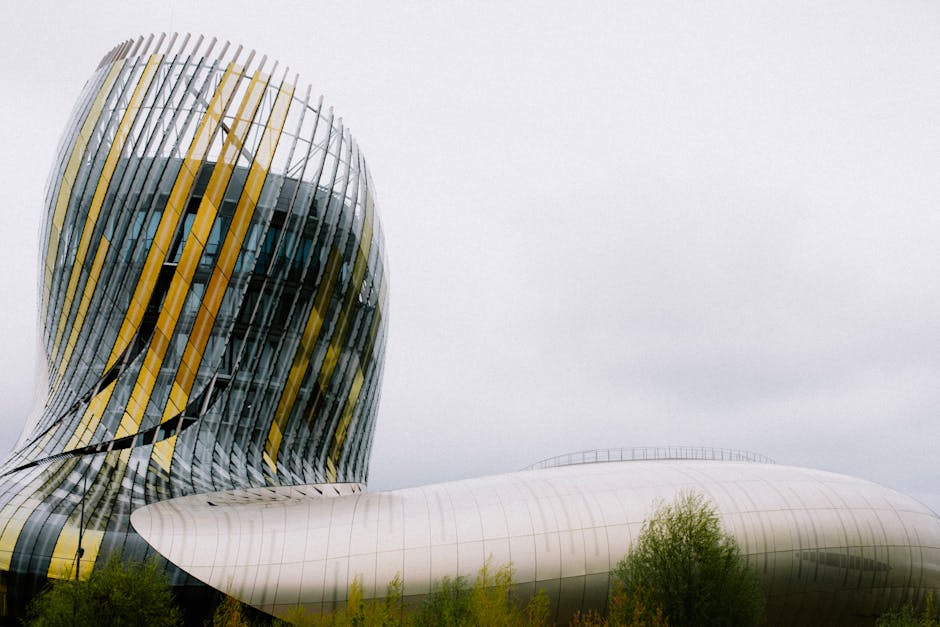
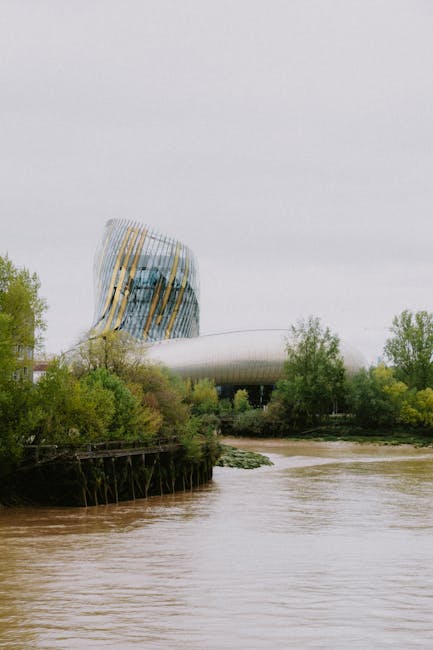
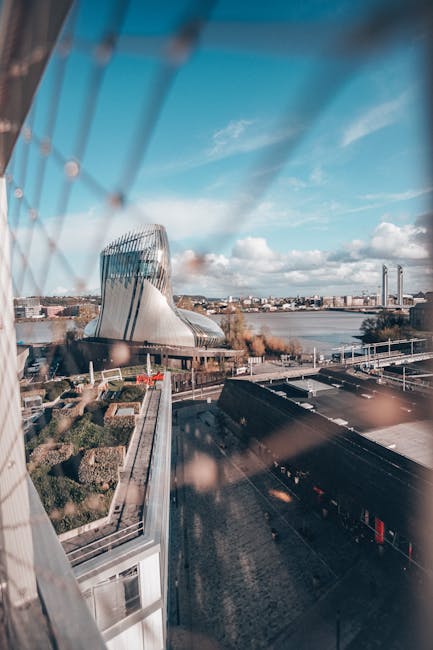
- La Cité du Vin (La Cité du Vin, 134 Quai de Bacalan, 33300 Bordeaux) — Address: 134 Quai de Bacalan, 33300 Bordeaux; entry price: self-guided €20 (reduced €14), tasting ticket €8–15 extra; hours: 10:00–18:00 (closed on some public holidays). Description: an interactive wine museum in a contemporary building on the banks of the Garonne.
- Château d’Yquem (Sauternes) — Château d’Yquem, 33210 Sauternes — Address: 1 Lieu-dit Yquem, 33210 Sauternes. Visits by appointment, premium prices €50–150 depending on the package; hours variable. Description: a world reference for sweet wines, welcoming cellar visits and tastings of very old vintages by reservation.
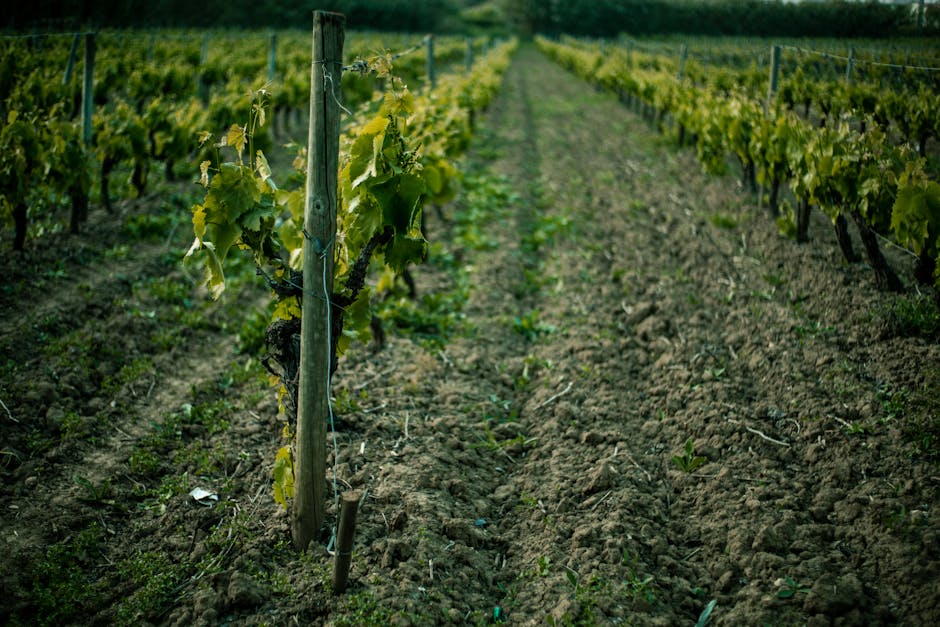
Visiting these estates lets you tangibly feel the differences between appellations: in Margaux and Pauillac you’ll see gravelly soils that favour Cabernet Sauvignon, while in Saint-Émilion and Pomerol you’ll find rich clay soils where Merlot shines. Hours and prices change with the season and each property’s policies: book ahead in high season (May–September) and check closures during harvest (September–October) when some visits may be limited.
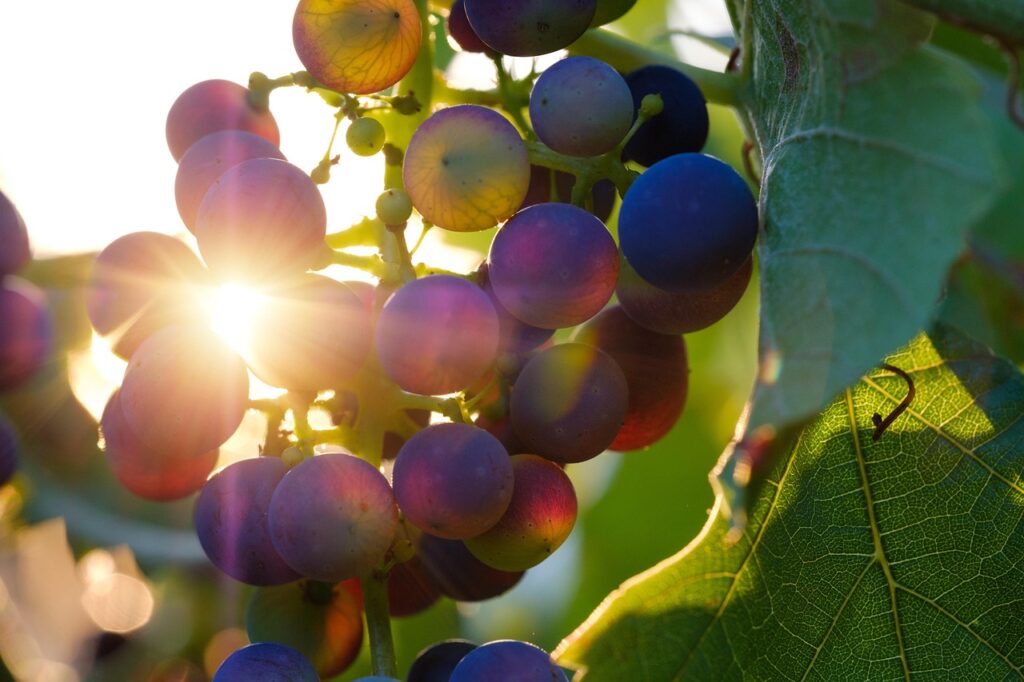
Grape varieties of Bordeaux: traits, blending roles and tasting profiles
Bordeaux wines, especially blends, rely on a small set of main grape varieties that each play distinct roles. Understanding them helps predict texture, aromas and ageing potential.
Main red varieties:
- Merlot — The dominant grape on the right bank (Saint-Émilion, Pomerol). Profile: ripe red fruit (cherry, plum), round texture, soft tannins. Role: brings body and approachability. Local example: Château Cheval Blanc (Saint-Émilion) uses a high proportion of Merlot in some vintages. Visiting address: Château Cheval Blanc, 33330 Saint-Émilion (by reservation).
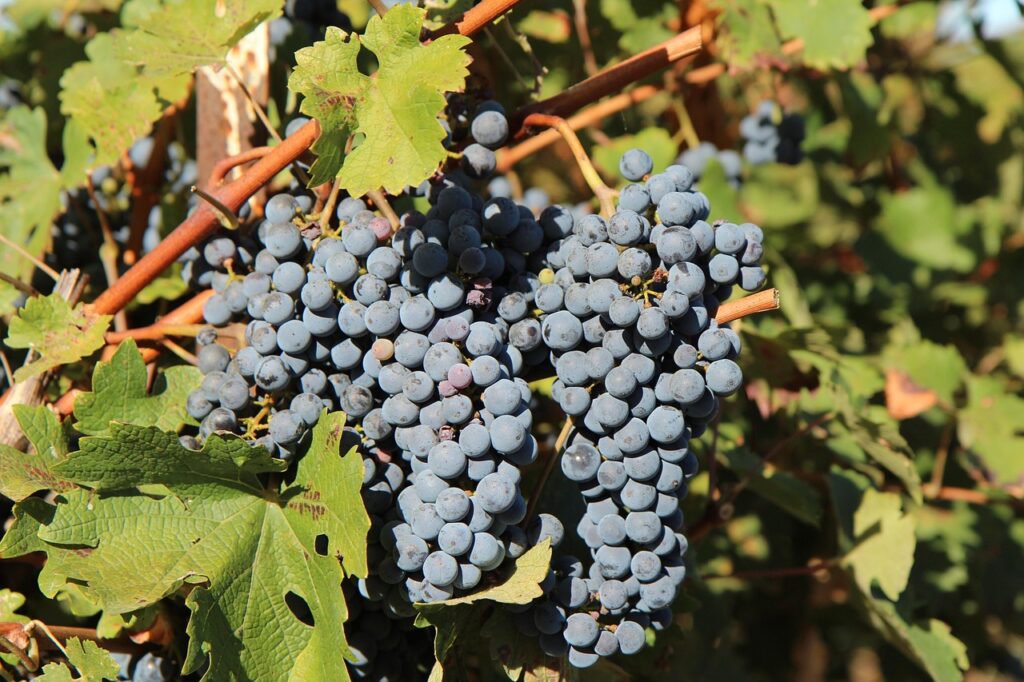
- Cabernet Sauvignon — The king of the left bank (Médoc, Pauillac, Margaux). Profile: cassis, cedar, firm tannins and excellent ageing potential. Role: structure and longevity. Example: Château Latour, 33250 Pauillac (visits by request).
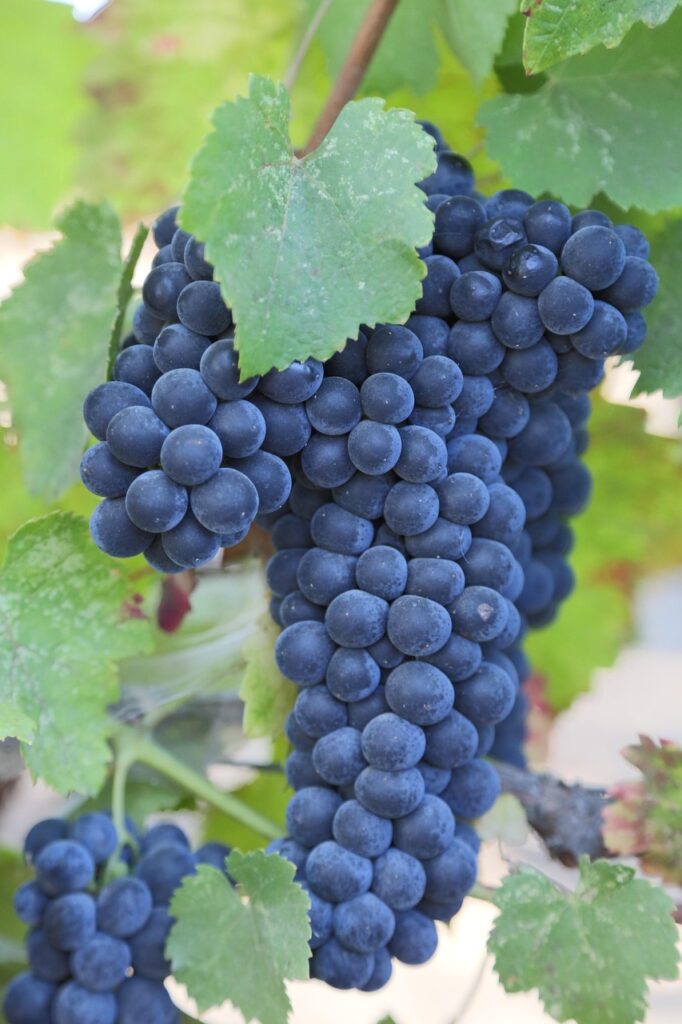
- Cabernet Franc — Adds finesse, herbal and fruity notes (raspberry, gentle pepper). Common in blends, especially in Saint-Émilion.
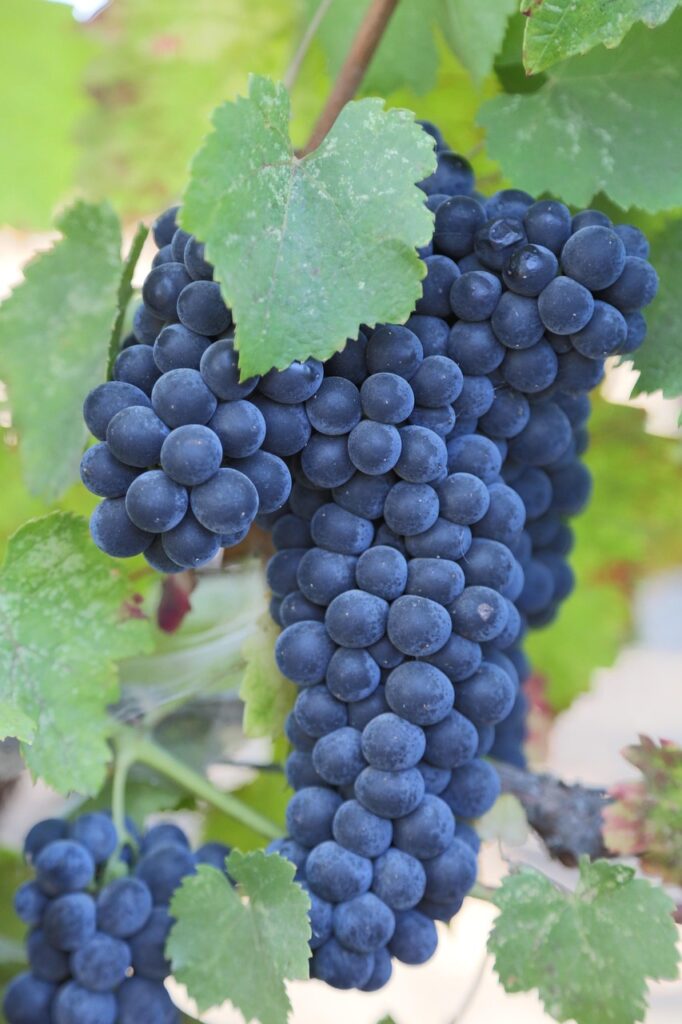
- Petit Verdot — Used in small amounts to deepen colour and refine tannins, with floral and spice notes.
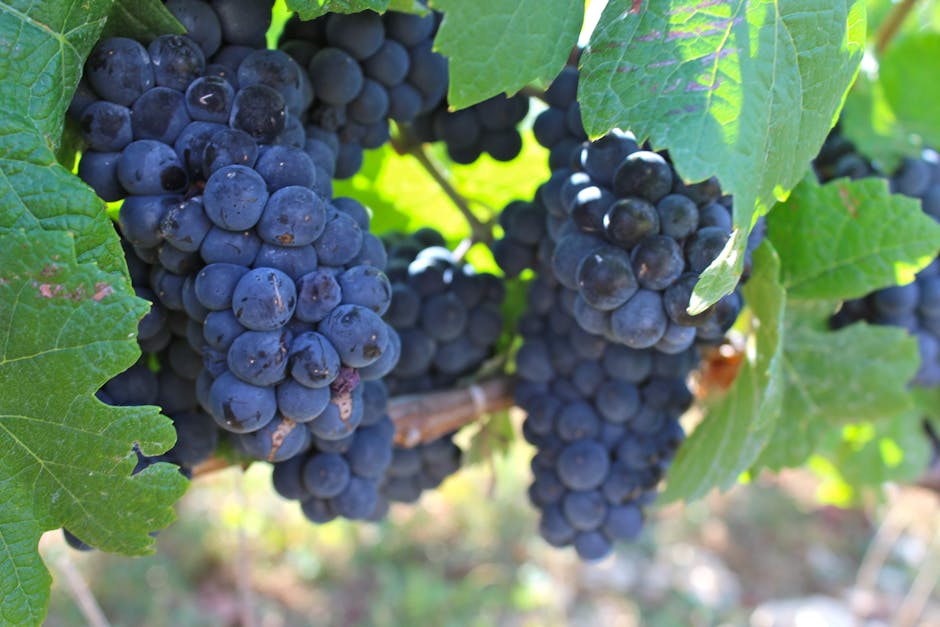
- Malbec and Carménère — Now present in small proportions, they add body and spice when included in blends.
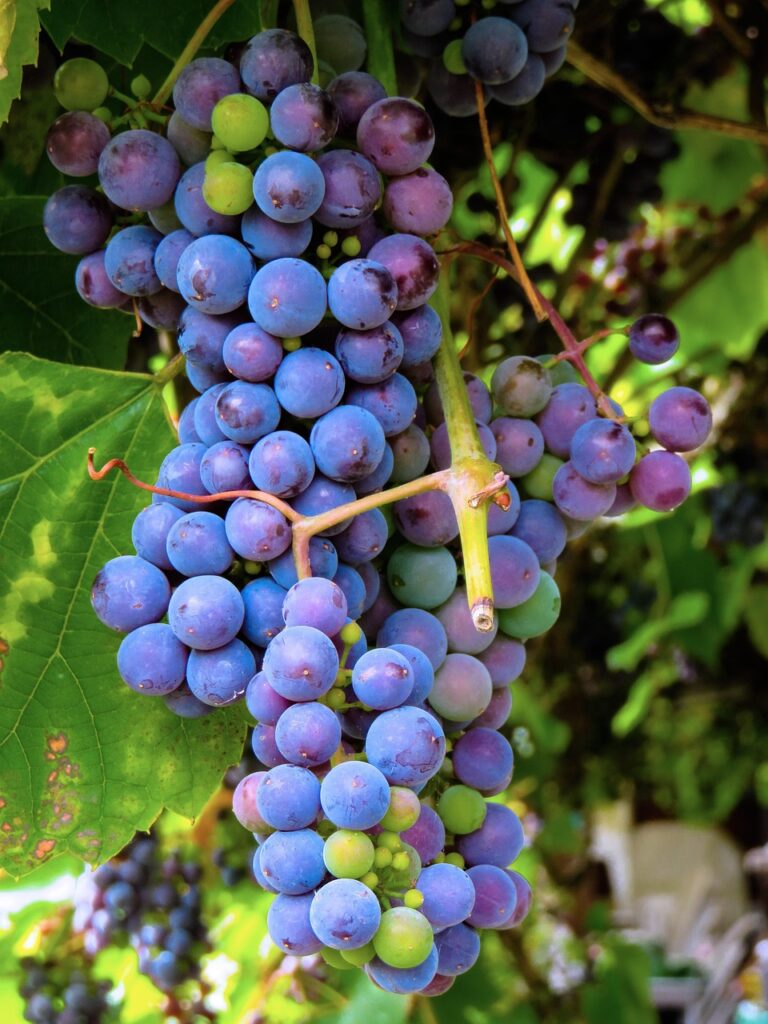
Main white varieties:
- Sémillon — Key to sweet wines (Sauternes, Barsac); often affected by botrytis (noble rot) producing honeyed, candied apricot aromas and a silky texture. Example: Château d’Yquem (address above).
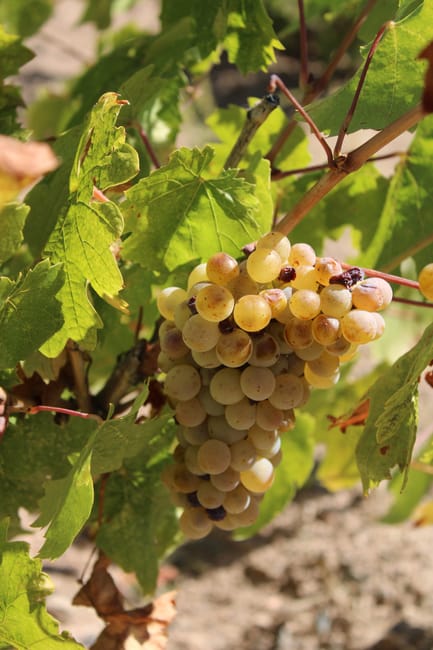
- Sauvignon Blanc — Brings freshness, acidity and herbaceous/citrus notes; often blended with Sémillon in Graves and Pessac-Léognan. Example: Château Smith Haut Lafitte, 33650 Martillac (visits by reservation; tour prices €25–45).
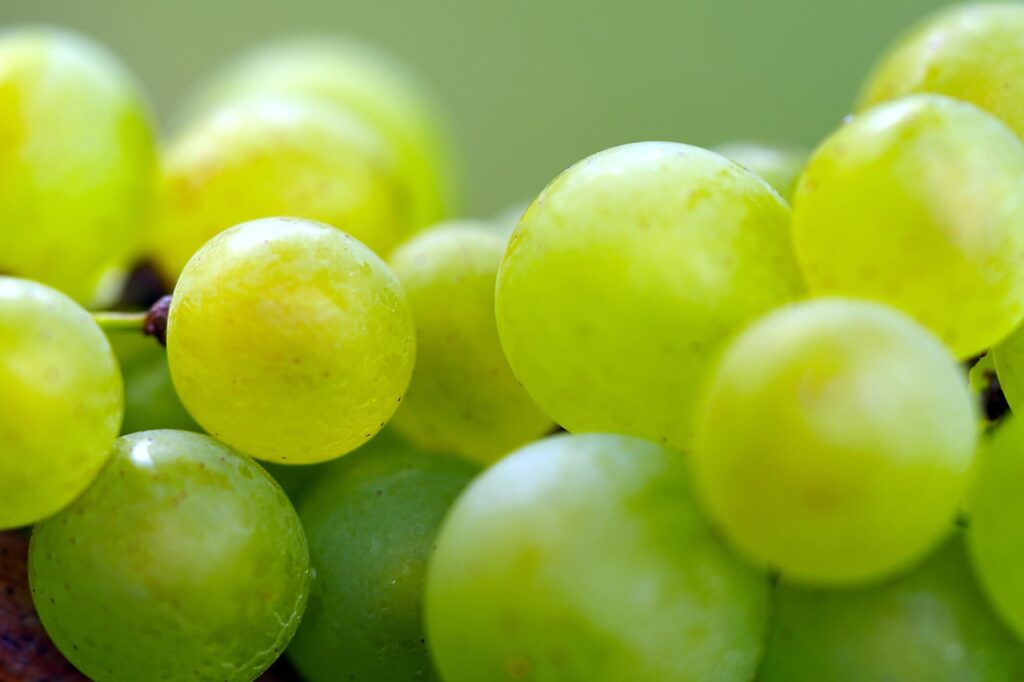
- Muscat and other varieties — Used more rarely, sometimes for country wines or micro-cuvées.
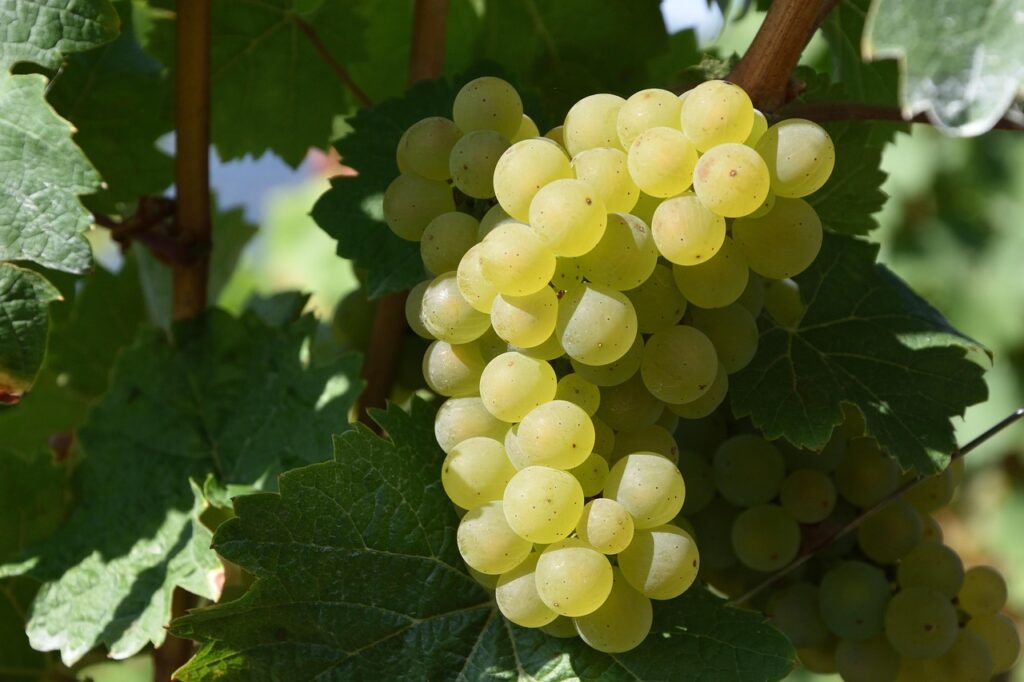
When tasting, look at the colour, the nose (primary, secondary and tertiary aromas) and the mouth structure (acidity, tannins, body). A young Cabernet Sauvignon will show firm tannins and cassis notes; a Merlot will feel rounder with softer tannins. Sweet wines shine with concentrated aromas of candied fruits, preserved citrus and honey — and they pair beautifully with caramelised desserts like the cannelé.
Cannelé pairings: how to match Bordeaux’s iconic cake with local wines
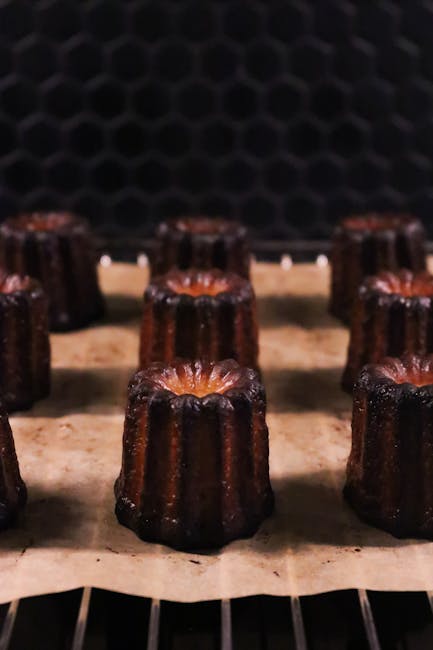
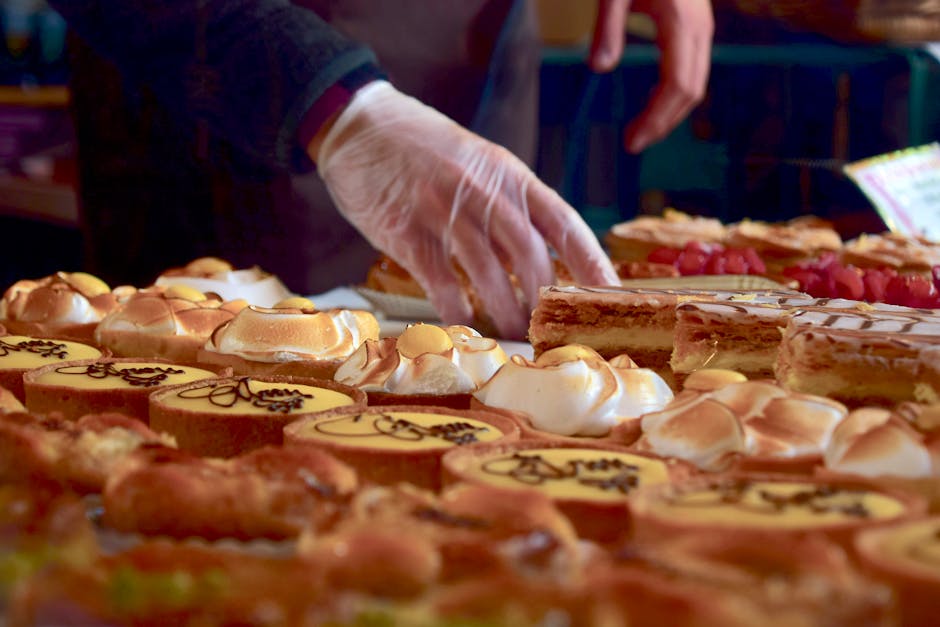
The Bordeaux cannelé — a small cake with a caramelized, crispy exterior and a tender, fragrant interior (vanilla and rum) — is a symbol of Bordeaux pastry. Pairing it with wine requires finesse: balance that caramelisation, vanilla and the rum notes without overwhelming the wine’s aromas. Here are tried-and-true pairings, from the most obvious to the more adventurous.
1) Classic pairing: Cannelé with Sauternes/Barsac — Sweet wines (Sauternes, Barsac) are the natural companions for cannelés. Residual sugar, moderate acidity and honey/apricot aromas in Sauternes answer the cannelé’s caramelised roundness. Try: Château Rieussec (Château Rieussec, 33210 Sauternes); tasting at the estate: visit + tasting €25–60, hours 10:00–17:00. Bottle price: Sauternes ranges widely (€15–2000 depending on vintage and producer); a modern standard bottle of Château Rieussec typically €30–60. Tip: serve Sauternes cool (8–10 °C) in a small tulip glass.
2) A surprising match: Cannelé with an aged Pessac-Léognan white (Sémillon + Sauvignon) — Dry whites from Pessac-Léognan that have developed honeyed notes and complexity with age can provide an elegant counterpoint to a cannelé, balancing acidity with an illusion of sweetness. Example: Château Haut-Brion Blanc (visits are very limited and prices/info often on request). A high-end bottle can cost €100–500.
3) An intellectual pairing: Cannelé with sparkling wine (Crémant de Bordeaux or traditional method) — Bubbles cleanse the palate; the freshness supports caramelisation and vanilla. Example: Crémant de Bordeaux from Domaine de la Solitude (Domaine de la Solitude, 33500 Néac — producer visits by request). Crémant price range: €10–25. Serve well chilled (6–8 °C).
4) A comforting match: Cannelé with Port or fortified wines — Fortified wines offer a richer, spicier contrast if you’re after something more decadent. Serve in small quantities so the wine doesn’t overpower the cake.
Practical tips:
- Serving temperature: sweet wines 8–12 °C, dry whites 10–12 °C, sparkling wines 6–8 °C.
- Quantity: one cannelé per person is usually enough for a tasting pairing. For a party, offer different sizes (mini cannelés vs. full-size).
- Where to buy fresh cannelés: Maison Baillardran (Maison Baillardran, 13 Cours Portal, 33000 Bordeaux — historic shop) sells fresh cannelés; price about €2.50–3.50 each depending on size; hours: 08:00–19:00 (times vary by shop).
Where to taste in town: Le Bar à Vin (Le Bar à Vin, 3 Cours du 30 Juillet, 33000 Bordeaux) offers small tastings paired with cheese plates and desserts; prices: wine tastings from €3–8 per glass, boards €8–18; hours: 11:30–14:30 / 18:00–22:00 (check closed days). Try a glass of Sauternes with a cannelé for a fully Bordeaux experience. 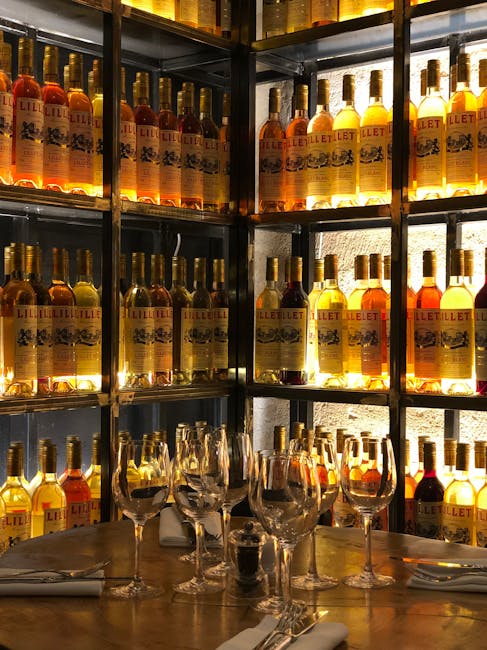
Practical visits, buying and local tips to taste Bordeaux like a local
Getting between châteaux takes planning: most estates require appointments for visits, and many close during harvest (September–October). To make the most of your time, combine a château visit with a stop in a nearby village (Saint-Émilion, Margaux or Pauillac) and finish with a tasting back in Bordeaux.
Practical points:
- Transport — Rent a car (rental desks are available at Bordeaux-Saint-Jean station, Place de la Gare, 33800 Bordeaux). Alternatively, hire a private driver or join an organized tour: many agencies run circuits (indicative prices half-day €50–80 per person, full day €90–150).
- Visits and bookings — Examples of châteaux open to the public: Château Pichon Longueville (Pichon Baron), 33250 Pauillac; Château Palmer, 33250 Margaux. Prices €15–60 depending on the package; hours: 09:30–12:30 / 14:00–17:30 (seasonal). Always book via the official site or by phone to confirm dates and languages of tours.
- Buying bottles — On-site shops: prices vary widely. For an everyday local wine expect €10–30; for a grand cru classé expect €50–500+. Don’t haggle in the shop: listed prices are standard; if you’re ordering in quantity, speak to the estate manager or commercial representative.
- Local markets and patisseries — Marché des Capucins (Place des Capucins, 33800 Bordeaux): central market, hours: permanent market 07:00–14:00; great for buying cannelés, oysters and local products.
- Restaurants for pairings — La Tupina (6 Rue Porte de la Monnaie, 33800 Bordeaux): traditional southwest cuisine, dishes €15–35, hours: 12:00–14:00 / 19:00–22:00; book ahead. Try confit duck with a Pauillac or Saint-Émilion depending on the sauce, then finish with a cannelé and Sauternes for a local dessert.
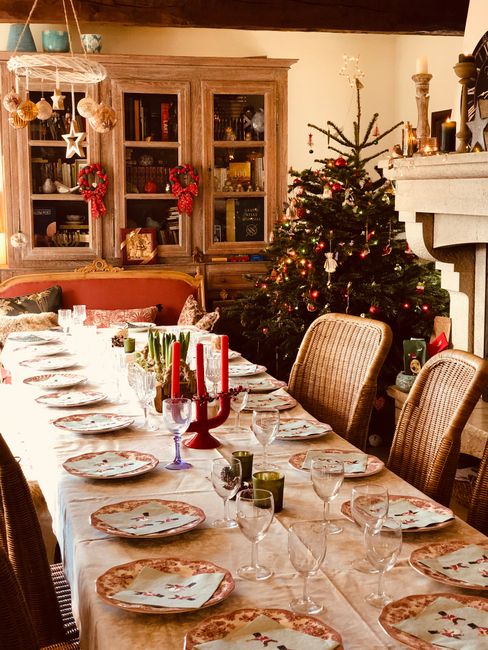
Local tasting tips:
- Serve wines at the right temperature and use appropriate glasses (tulip glass for sweet wines, large balloon glass for ageworthy reds).
- Ask the winemaker questions; they welcome curiosity about their terroir, cultural practices (organic, biodynamic, sustainable) and blending philosophy.
- Taste multiple vintages if you can: structure and aromas vary dramatically year to year in Bordeaux.
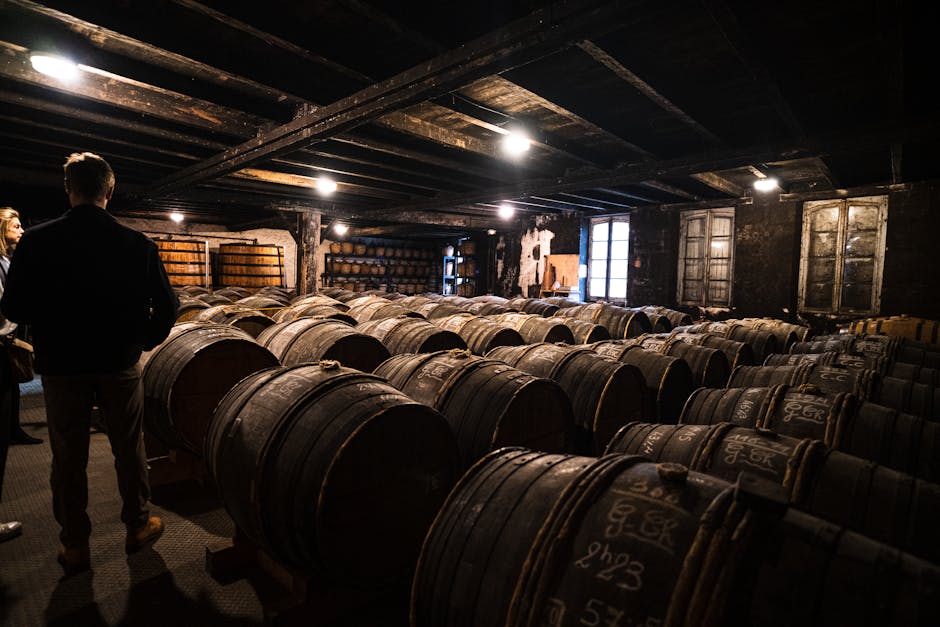
Practical resources and suggested itineraries for an oenological stay in Bordeaux
For a 2–4 day trip, here are two suggested itineraries with addresses, estimated costs and hours to help you plan. They combine château visits, city tastings and tasty stops.
Short itinerary (2 days) — Right bank & Bordeaux city:
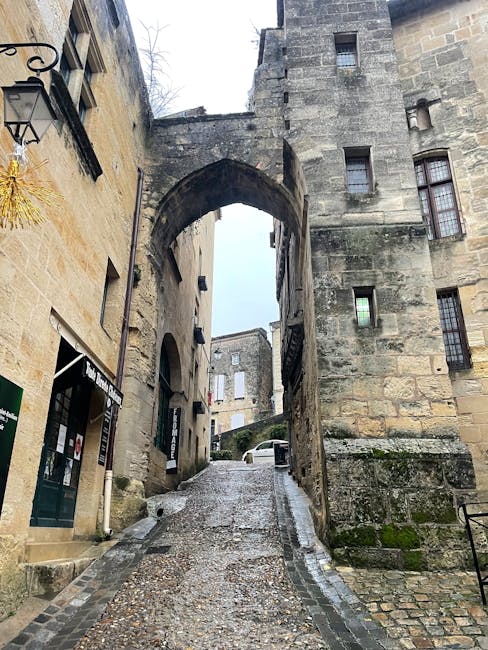
- Day 1: Depart Bordeaux for Saint-Émilion. Visit Château de Ferrand (2 Lieu-dit Ferrand, 33330 Saint-Émilion): tour €12–25, hours 10:00–18:00. Wander Saint-Émilion’s classified streets, lunch at Logis de la Cadène (1 Place de la Cadène, 33330 Saint-Émilion): mains €18–45, hours 12:00–14:30 / 19:00–22:00.
- Day 2: Return to Bordeaux, visit La Cité du Vin (134 Quai de Bacalan, 33300 Bordeaux): entry €20, hours 10:00–18:00; panoramic tasting at the belvedere (extra ticket €8–15). Finish with a stop at Maison Baillardran (13 Cours Portal, 33000 Bordeaux) for fresh cannelés (€2.50–3.50 each).
Long itinerary (4 days) — Left bank, Médoc and Sauternes:
- Day 1: Médoc – visit Château Margaux (Avenue de Bordeaux, 33460 Margaux): tour €30–60, hours 10:00–17:00 by reservation. Lunch in Margaux village and a tasting at the estate.
- Day 2: Pauillac – Château Latour (Pauillac, 33250) and Château Pichon Longueville; visits by reservation, prices €20–80. Overnight in Pauillac or return to Bordeaux.
- Day 3: Drive to Sauternes – visit Château d’Yquem (1 Lieu-dit Yquem, 33210 Sauternes): premium visits by appointment, prices €50–150, tastings of older vintages on request. Enjoy Sauternes with cannelés in the afternoon.
- Day 4: Return and a last stop in Bordeaux for shopping at Marché des Capucins and a tasting at Bar à Vin (3 Cours du 30 Juillet, 33000 Bordeaux): glasses €3–8, boards €8–18.
Bookings: for prestigious châteaux, contact the visits service via the official website or by phone at least 2–4 weeks ahead in high season; for smaller estates, a few days’ notice is usually enough. Budgets: expect €30 (modest visits) to €150+ (private or prestige experiences) per visit, plus transport and accommodation. Recommended lodgings: Hôtel de Sèze (25 Rue du Général Foy, 33000 Bordeaux), rooms €120–300 per night, breakfast €12–20, check-in 15:00–22:00. 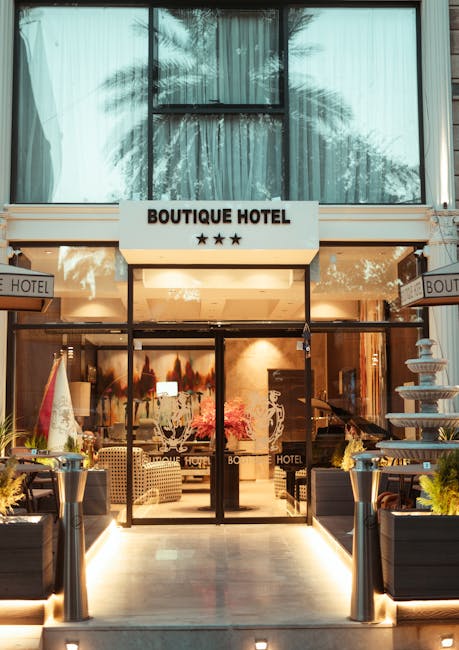
Conclusion: weaving appellations, grape varieties and the cannelé pairing into your Bordeaux experience
Learning to recognise Bordeaux appellations and grape varieties turns a simple tasting into a meaningful experience. The region offers everything from the powerful, structured reds of the Médoc to the warmer, fruit-forward reds of Saint-Émilion, not to mention Graves’ dry whites and the sweet wines of Sauternes — perfect for dessert pairings. Cannelés, Bordeaux’s iconic pastry, are a fantastic anchor for exploring these matches — Sauternes for sweetness, Pessac-Léognan whites for elegance, crémant for freshness and even some fortified options for contrast.
Practically, plan visits around opening hours and seasonal closures, prioritise reservations for major estates and follow local customs when buying in the shop. The places mentioned in this guide — La Cité du Vin (134 Quai de Bacalan, 33300 Bordeaux), Château Margaux (Avenue de Bordeaux, 33460 Margaux), Château d’Yquem (1 Lieu-dit Yquem, 33210 Sauternes), Maison Baillardran (13 Cours Portal, 33000 Bordeaux) and Le Bar à Vin (3 Cours du 30 Juillet, 33000 Bordeaux) — are excellent starting points to build your own route.
Finally, enjoy Bordeaux’s generosity: talk to winemakers, taste different vintages and varieties, and let yourself be surprised by simple pairings like a cannelé with a chilled Sauternes. Those shared moments, punctuated by a wine that resonates with you, are at the heart of the Bordeaux experience. Whether you’re here for a weekend or you’re a seasoned enthusiast, Bordeaux invites curiosity, learning and above all pleasure. Cheers — or, as they say in France, à votre santé!