





Introduction — Bordeaux explained: guide for first-time visitors
Bordeaux blends historic architecture, contemporary culture, an easygoing lifestyle and a world-renowned wine heritage. Sitting on the Garonne and about 2 hours 10 minutes from Paris by TGV, the city has reinvented itself since the 2000s into a modern, elegant metropolis that’s very walkable and bike-friendly. If this is your first trip, the aim is to strike a balance between wandering through historic neighborhoods, diving into wine culture and checking out the new cultural spots that show a city in motion.
This practical guide, written for someone discovering Bordeaux for the first time, offers handy itineraries, precise addresses, typical opening hours and prices, plus local tips to make the most of your time. You’ll find in-depth descriptions of the must-see sights — Place de la Bourse and the Water Mirror, La Cité du Vin, Saint-André Cathedral, the Saint-Pierre district, the Chartrons quays — as well as ideas for getting off the beaten path: lesser-known museums, neighborhood wine shops, bustling markets and riverside strolls.
Every traveler has different interests: some want to focus on wine and châteaux, others on architecture and gastronomy, and others on riverside walks and family activities. This guide is organised so you can build your own itinerary based on what you like, with practical info (exact addresses, prices in euros, typical opening hours) and immersive descriptions — so you can picture the atmosphere before you go. You’ll also find local advice: when to visit to avoid crowds, how to get around easily, and which experiences are really worth the price.
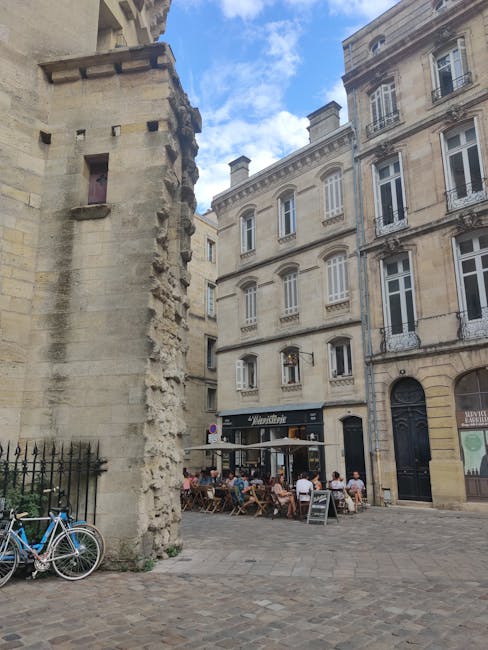
Before diving into neighborhoods and sights, keep this in mind: Bordeaux is best discovered slowly. Allow time to sit at a café terrace, watch the cyclists glide by and the boats on the Garonne, and let the city work its charm. Distances are reasonable — many attractions are walkable from Gare Saint-Jean or Place de la Bourse — but plan about half a day for each major site (La Cité du Vin, a château visit or a big museum). Finally, bring comfortable shoes, a map or transport app, and don’t forget your bank card: contactless payment is widely accepted in Bordeaux.
Strolling the historic center: sights, addresses and opening hours
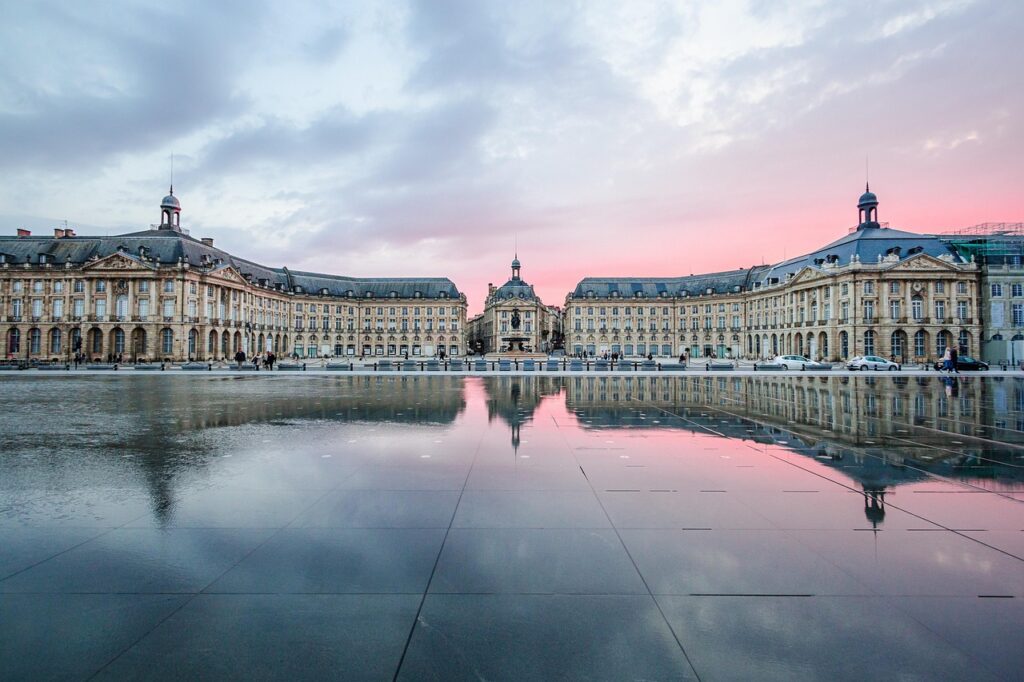
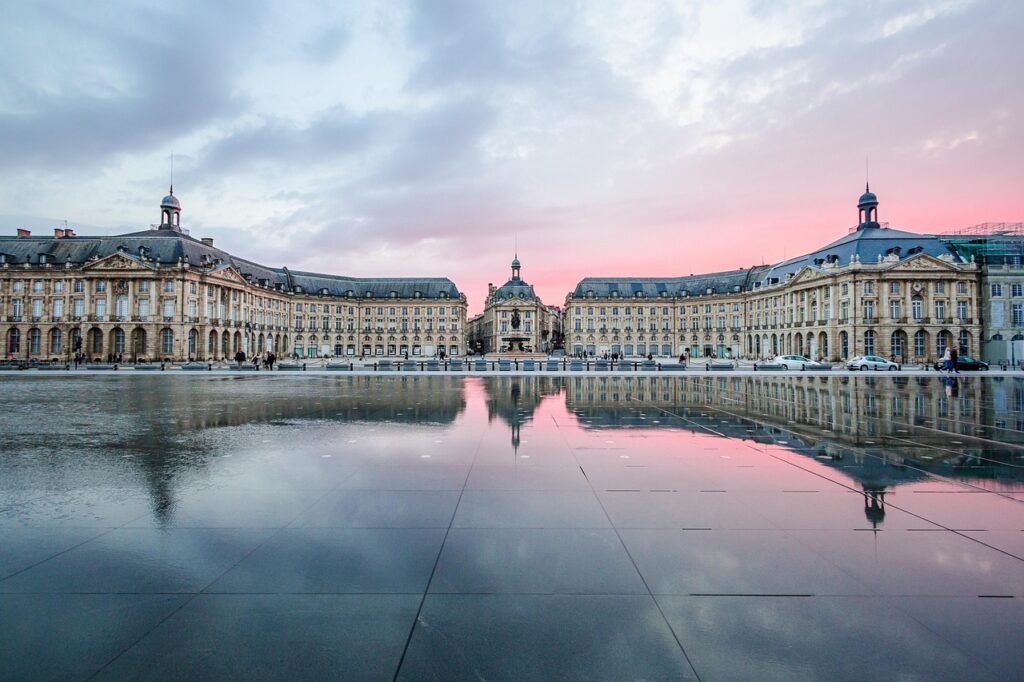
Bordeaux’s historic core is compact and ideal for a first exploration on foot. Start at Place de la Bourse (Place de la Bourse, 33000 Bordeaux), the grand 18th-century riverfront whose symmetry is mirrored in the famous Water Mirror. The Water Mirror sits on the right bank facing the square; it’s open to the public 24/7. It’s especially magical at sunrise and sunset, when Bordeaux’s honey-coloured stone glows.
A short walk away are the river and the quayside promenade. Head up toward Place de la Comédie (Place de la Comédie, 33000 Bordeaux) to see the Grand Théâtre de Bordeaux (Place de la Comédie), a neoclassical building dating from 1780. Interior tours of the opera house are usually offered during European Heritage Days or by special guided tours — check the official website for available slots.
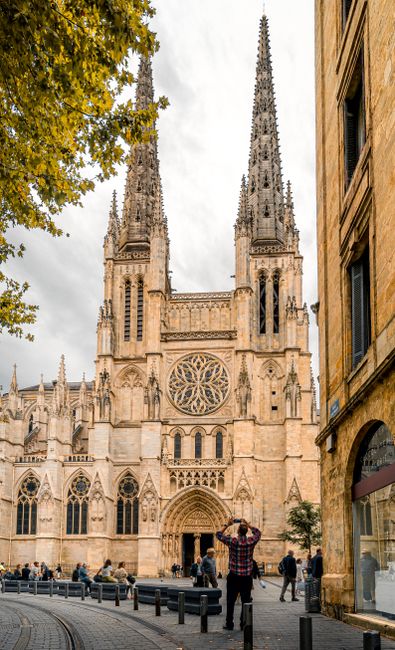
Further on, explore the Saint-Pierre quarter, the medieval heart with narrow lanes and artisan shops. Don’t miss the Grosse Cloche (Rue Saint-James, 33000 Bordeaux), one of France’s oldest belfries; viewing it from outside is free, and occasional guided visits let you go inside — ask at the tourist office for details. Saint-André Cathedral (Place Pey-Berland, 33000 Bordeaux) is another must-see: entry to the cathedral itself is free, but climbing the Pey-Berland Tower (Tour Pey-Berland, Place Pey-Berland) for the panorama is ticketed. Indicative price: €6.00 per adult; typical opening hours: 10:00–18:00 (seasonal variations apply).
Practical tips for the centre: visit early in the morning to avoid tour groups and to enjoy local shops opening around 9:00–10:00. If you love architecture, take time to admire the honey-coloured façades, ornate wrought-iron balconies and 18th-century townhouses. In Saint-Pierre you’ll find plenty of small brasseries and restaurants; typical lunch budget: €12–25 for a bistro meal.
The quays, La Cité du Vin and riverside cruises
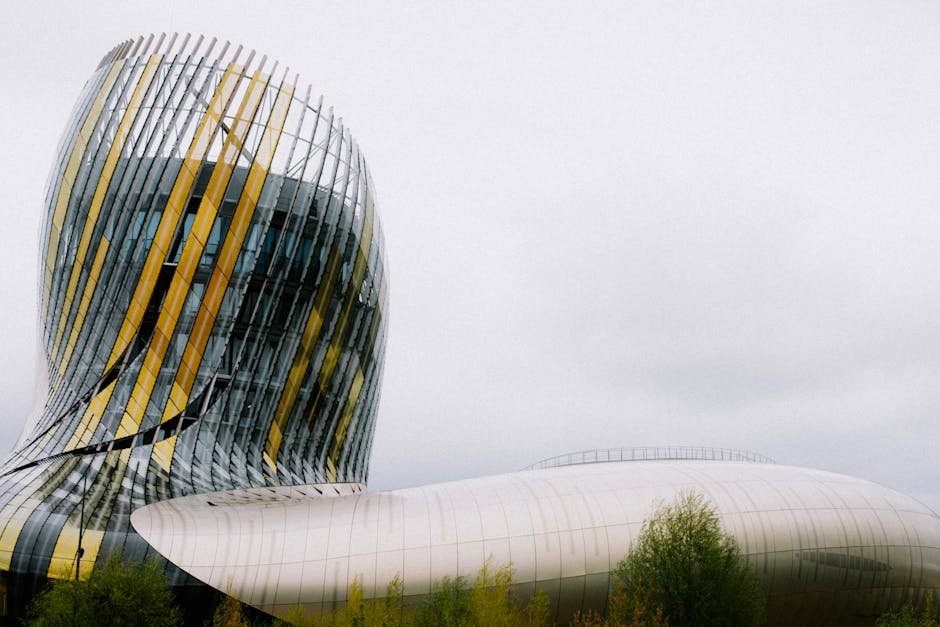
The Garonne waterfront is one of Bordeaux’s liveliest areas, with promenades, green spaces and cultural venues. La Cité du Vin (La Cité du Vin, 134 Quai de Bacalan, 33300 Bordeaux) is the modern emblem of urban wine tourism. Address: 134 Quai de Bacalan, 33300 Bordeaux. Opening hours: generally 10:00–18:00 (sometimes closing at 19:00 in high season). Indicative price: adult ticket €20.00 (permanent exhibition and audio guide), reduced rates for students/seniors, free for under-6s. Visits usually end with a tasting at the belvedere, which offers panoramic views over the city and the Garonne.
La Cité du Vin features a contemporary design with large multimedia installations, a sensory journey through the global history of wine, and tastings that let you compare wines from different regions. The experience is immersive and works for both enthusiasts and newcomers. Online reservations are recommended during the tourist season.
Heading back toward the centre, stroll the developed quays: Quai Louis XVIII and Quai des Chartrons offer cycle lanes, cafés and places to sit. A boat trip on the Garonne is another lovely way to see the city from the water: guided cruises of 1 to 1.5 hours typically cost between €12.00 and €20.00 depending on the operator (for example “Croisières Burdigala” — departures from Pont de Pierre or Quai des Chartrons; schedules vary with multiple departures most days). Pont de Pierre links the right and left banks and provides a great perspective on the quays’ façades.
Local tips: bring a light windbreaker for quay walks — it can be breezy even in summer. For a foodie experience, the covered Chartrons market (and the Marché des Capucins and other small neighborhood markets) is perfect in the morning; see the markets section for exact hours. For an iconic photo of Bordeaux, the view from the left bank facing Place de la Bourse at sunset is spectacular.
Museums and key monuments: opening hours, prices and cultural immersion
Bordeaux has a rich and varied museum scene to suit many interests. Here’s a selection of must-sees with practical info:
- Musée d’Aquitaine — Address: 20 Cours Pasteur, 33000 Bordeaux. Opening hours: Tuesday–Sunday 10:00–18:00, closed Monday. Indicative price: €5.00 adult, free for under-18s and certain groups. Description: the museum traces the region’s history from ancient times to the present, with archaeological collections, temporary exhibitions and accessible displays. It’s a great place to understand Bordeaux’s history and its role in historic trade.
- Bordeaux Museum of Fine Arts — Address: 20 Cours d’Albret, 33000 Bordeaux (City Hall). Opening hours: Wednesday–Monday 11:00–18:00, closed Tuesday (hours may vary for temporary exhibitions). Price: permanent collections are often free, temporary exhibitions usually charged (around €5–8). Description: a rich European collection of paintings and sculptures from the 17th to the 20th century, set in an elegant space.
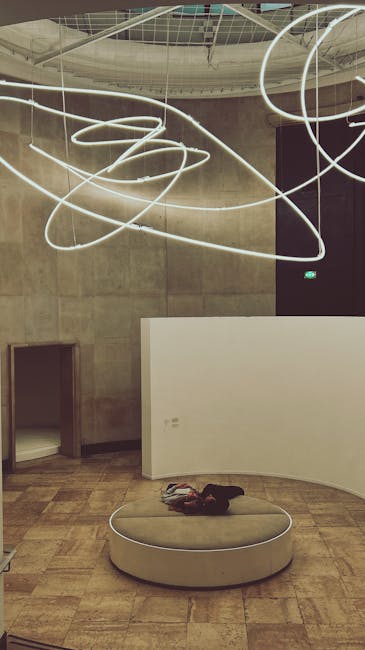
- CAPC Contemporary Art Museum — Address: 7 Rue Ferrère, 33000 Bordeaux. Opening hours: Tuesday–Sunday 11:00–18:00, sometimes late openings on Thursdays; closed Monday. Indicative price: €8.00 adult. Description: housed in a 19th-century warehouse, CAPC hosts acclaimed contemporary art exhibitions with often dramatic spatial installations.
- La Cité du Vin — already described; see the previous section for address and prices. It’s both a cultural centre and a living museum devoted to vines and wine.
As for monuments, beyond Saint-André Cathedral and Pey-Berland Tower, consider visiting Saint-Michel Basilica (Place Canteloup, 33800 Bordeaux) and wandering the impressive Chartrons district, the old wine trade quarter. The Palais Rohan (City Hall) and its gardens are also worth a visit.
Practical tip: many museums close one day a week (often Monday) — plan accordingly. Tourist offices often sell museum passes (24h/48h) that can be worthwhile if you plan to visit several paid sites. Finally, buy tickets online for La Cité du Vin and popular temporary exhibitions to avoid queues and secure your time slot.
Tastings, châteaux and wine excursions: where to go, prices and tips
There’s nothing more natural in Bordeaux than a first foray into regional wine. The city is surrounded by famous appellations: Médoc, Saint-Émilion, Pomerol, Graves and Sauternes. Here are several options for your first wine-tour experiences.
- Saint-Émilion trip — Saint-Émilion is about a 35-minute drive or 35–45 minutes by train from Bordeaux Saint-Jean station (Gare de Saint-Jean, Place Charles Domercq, 33800 Bordeaux). A half-day guided tour, including transport, visits to one or two châteaux and tastings, typically costs between €55.00 and €95.00 per person depending on the program. In Saint-Émilion itself, visits to the King’s Tower or the underground galleries may be offered; entry to the cloister and tower is ticketed depending on local offerings (prices vary).
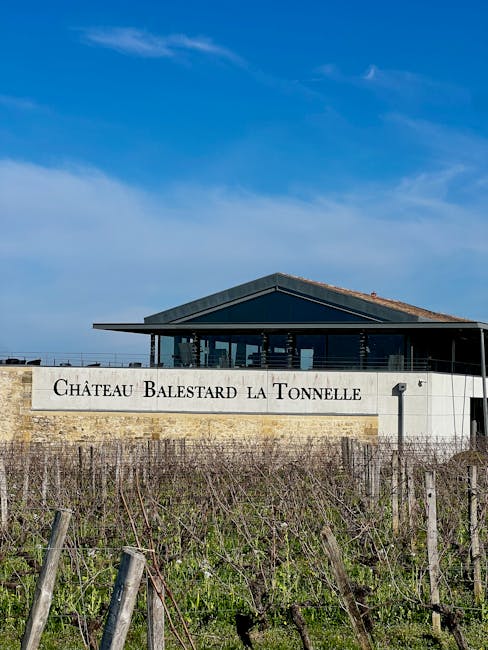
- Château Pape Clément — Address: Château Pape Clément, 216 Avenue Dr Nancel Penard, 33600 Pessac. Opening hours: guided visits by reservation, generally 10:00–17:00. Indicative price: guided tour and tasting from €20.00 per person. Description: one of Bordeaux’s oldest grands crus, with an impressive estate, vat room and cellars to explore.
- Médoc wine route — Frequent departures from Bordeaux for full-day excursions that include visits to major châteaux (e.g. Château Margaux, Château Lafite Rothschild — visits strictly by reservation). Price for a full day with transport and 2–3 château visits: generally €90.00–€150.00 per person.
- Urban cellar visits — If you prefer to stay in town, many small wine shops and wine bars offer guided tastings. Examples: Bar à Vin de Bordeaux (Place du Palais, 33000 Bordeaux) — exact address may vary; tasting prices €12–25 for a selection of three wines. Some historic cellars on Rue Sainte-Catherine or in the Chartrons offer introductions from around €15.
Tips for a successful tasting: book château visits in advance, especially for renowned properties. Allow time for the tasting itself (plan 45–90 minutes). If you’re driving, opt for tours that include transportation or hire a driver — it’s safer and far more relaxing than driving after several tastings. And don’t be shy about asking questions: winemakers often enjoy sharing their stories and practices, which can be more enlightening than technical grape lists.
Restaurants, markets, nightlife and practical advice
Food is a major reason to visit Bordeaux. The city offers eateries of every kind: traditional bistros, fine-dining tables, friendly wine bars and small shops featuring local produce. Here are some recommendations and practical details.
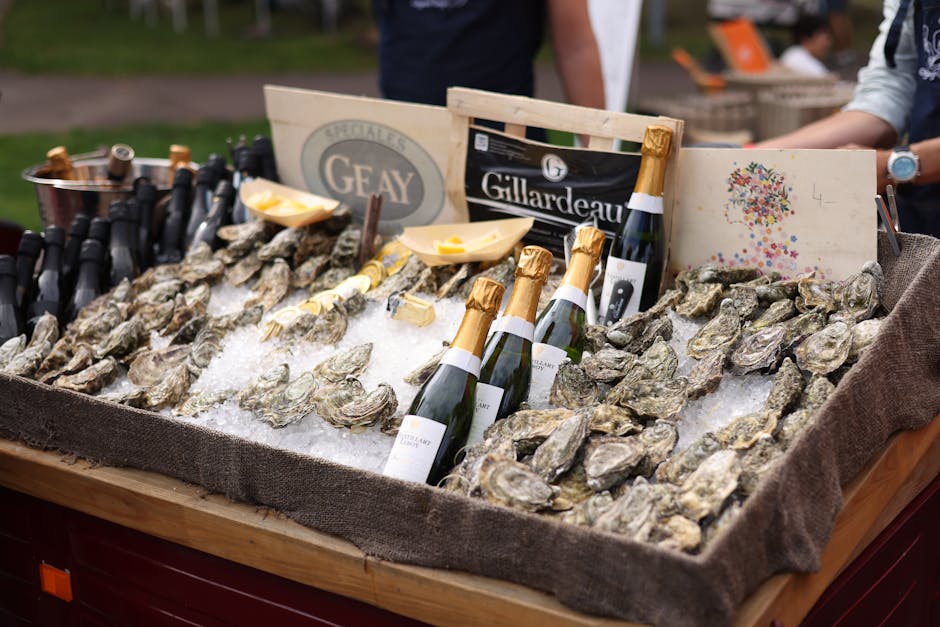
- Marché des Capucins (Capucins Market) — Address: Place des Capucins, 33000 Bordeaux. Opening hours: main food market open Tuesday–Saturday 7:00–13:30, with a lively Sunday morning; some stalls open earlier. Free entry. Description: the city’s central market and a local meeting place — perfect for a quick breakfast (oysters, pastries, coffee).
- Rue Sainte-Catherine — A pedestrian shopping street about 1.2 km long, great for shopping and spotting cafés. Address: Rue Sainte-Catherine, 33000 Bordeaux. Open daily; shops typically open 10:00–19:00.
-
Recommended restaurants — A few representative options (hours and prices indicative):
- Le Chapon Fin — Address: 5 Rue Montesquieu, 33000 Bordeaux. Fine dining; tasting menus €70–120 per person depending on service. Hours: lunch closed some days, dinner 19:00–22:30 (reservation recommended).
- La Tupina — Address: 6 Rue Porte de la Monnaie, 33000 Bordeaux. Traditional South-West cuisine; dishes €15–35. Hours: 12:00–14:00, 19:00–22:00 (sometimes closed Sunday evenings).
- Le Bar à Vin (Office of Wine) — Address: 3 Cours du 30 Juillet, 33000 Bordeaux (to be checked). Ideal for tasting wines by the glass; prices €4–12 per glass depending on the wine.
- Nightlife — The quays come alive in the evenings with bars and terraces, particularly along Quai des Chartrons and Rue Sainte-Catherine for trendier options. Clubs and concert venues like Rock School Barbey (Place Ravezies, 33300 Bordeaux) offer diverse programming; ticket prices vary by event (€15–35).
Local practical tips: most places accept cards, but keep some cash for markets and small stalls. Transport: the TBM tram network (lines A, B, C and D) serves most points of interest; single tickets cost around €1.80 (buy at machines or via the app). Self-service bikes (VCub, now TBM bikes) are a great option for short trips. Also, be mindful of meal times: lunch is usually served 12:00–14:00, dinner from around 19:00/19:30.
Conclusion — Preparing well for your first trip to Bordeaux
Bordeaux is a destination that harmoniously combines history, cultural life and the power of its wine terroir. For a first visit, structure your stay by alternating historic neighborhoods, museums and wine experiences. Start in the old town — Place de la Bourse, the Water Mirror, Saint-André Cathedral — to soak up the architecture, then dedicate half a day to La Cité du Vin and another day to a wine excursion (Saint-Émilion or Médoc) if your schedule allows.
Build in breaks: Bordeaux is also meant to be savoured in its cafés, markets and on terraces. Book ahead for famous château visits and top restaurants downtown. Use the tram and bikes for quick transfers; walk to fully appreciate the architectural details that make the city so charming. Finally, adapt your plans to the season: in summer, aim for early or late visits to avoid heat; in spring or autumn, bring a windbreaker for quay walks.
In short: give yourself time, book the essentials in advance (La Cité du Vin, major wine excursions), and keep a free day to wander neighborhoods like Saint-Pierre and the Chartrons. Bordeaux is both a city to live in and an ideal starting point for exploring the surrounding vineyards. Whatever the length of your stay, you’ll leave with memories of honey-coloured façades, memorable tastings and the impression of a refined, convivial southern way of life. Enjoy your trip and happy exploring!