





Introduction: A Practical Overview of Sightseeing in Bordeaux — Why This Guide Helps
Bordeaux blends outstanding architectural heritage, lively riverfronts along the Garonne, neighborhoods with distinct characters, and a rich cultural scene. Whether you’re in town for a day trip or you live here and want to explore, this general guide gives you a practical, full-picture view of the must-see sights: landmark monuments, neighborhoods worth wandering, museums and green spaces, plus audio options to deepen your experience on site.
This article aims to provide actionable information: exact addresses, useful opening hours, ticket prices in euros at the time of writing, immersive descriptions to help you pick the places that suit your interests, and local tips to make the most of your visit (best times to avoid crowds, lesser-known alternatives, transport links). It’s intended to be professional and detailed, not a mere list — each section explains why a place matters and how to enjoy it to the fullest.
Bordeaux’s richness is visible in its warm blonde stone façades from the 18th century as much as in newer cultural hubs like La Cité du Vin or the redeveloped quays. Routes are easy to combine: a morning in the historic center (Place Pey-Berland, Saint-André Cathedral), lunch in the winding streets of Saint-Pierre, an afternoon at the CAPC or La Cité du Vin, and a sunset stroll across the Pont de Pierre. For independent travelers, this guide also details audio-guide options, mobile apps and downloadable audio tours so you can enrich your visit without joining a group tour.
Finally, Bordeaux offers complementary experiences: food markets, wine bars, tasting workshops, hidden gardens and riverside walks. The following sections point you toward the unmissable monuments and the neighborhoods where you’ll feel the city’s soul, while offering alternatives for those seeking quiet corners or quirky finds. Practical details like opening times, entry fees and exact addresses will help you plan your days with confidence. Use this guide as a roadmap: bring curiosity and let the city surprise you with small details — mosaics, carved façades, skyline views from a tower, or the light shimmering on the water mirror.
Unmissable Monuments: Architecture, History and Practical Visit Details
Bordeaux is full of monuments that tell the city’s story from Antiquity through the 18th century and into the industrial era. Below is a detailed selection of sites you shouldn’t miss, with addresses, opening hours and ticket prices to plan your visits.
Place de la Bourse and the Water Mirror
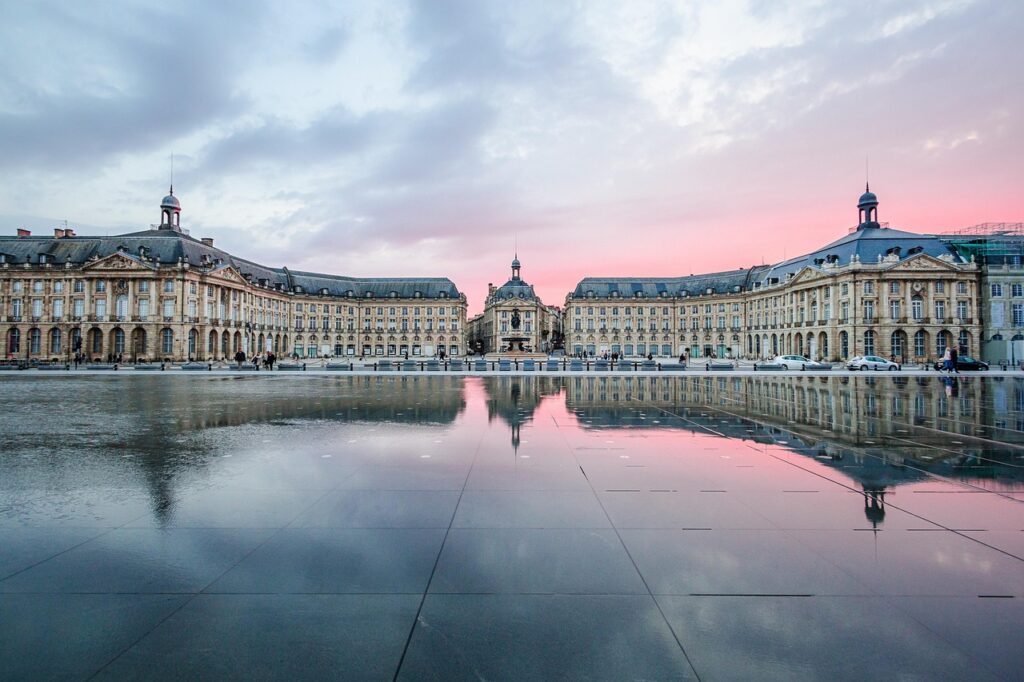
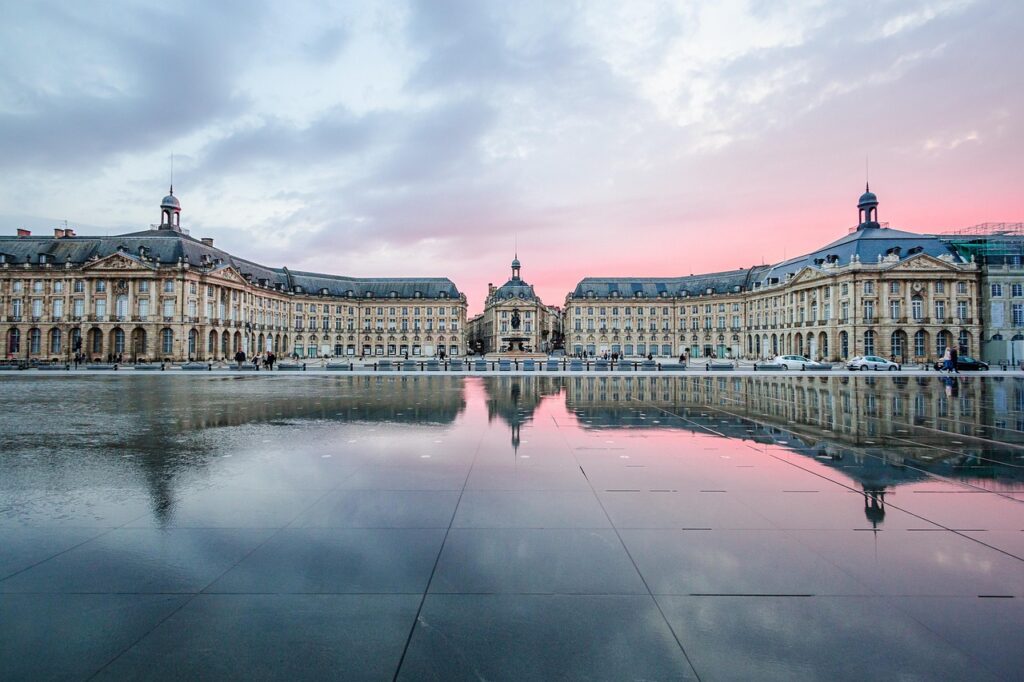
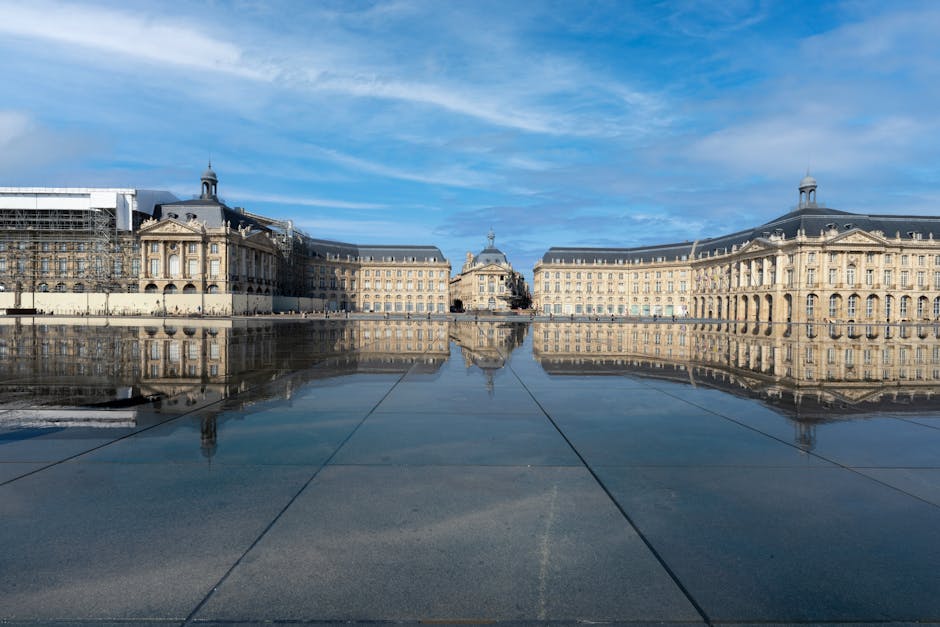
Place de la Bourse — Place de la Bourse, 33000 Bordeaux. This 18th-century square, designed by architect Ange-Jacques Gabriel, is one of Bordeaux’s most iconic images. Facing the listed façades, the Water Mirror (installed on Place de la Bourse, quai Louis XVIII) creates mirrored reflections and mist that attract photographers and families alike.
- Access: free, open continuously
- Timing tip: early morning for photos with fewer people; sunset for warm, golden light
- Local tip: in summer bring a towel so kids can paddle on the mirror
Saint-André Cathedral and Pey-Berland Tower
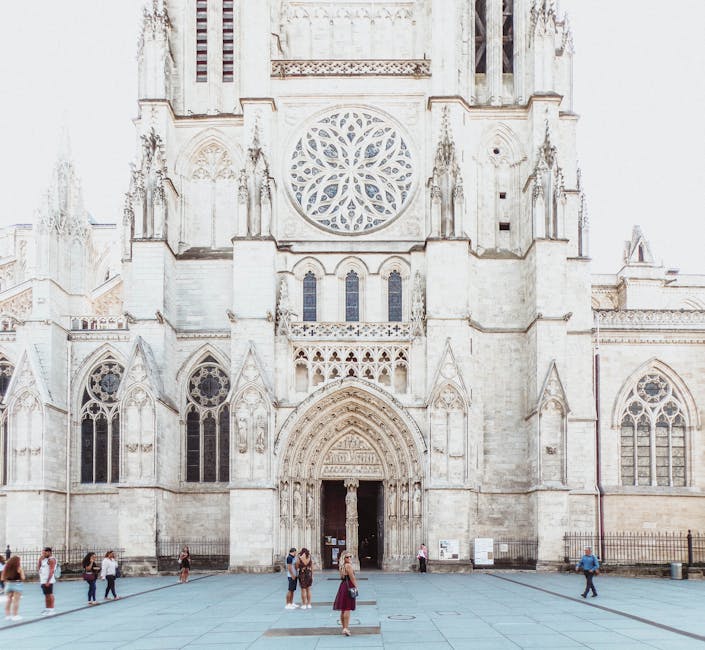
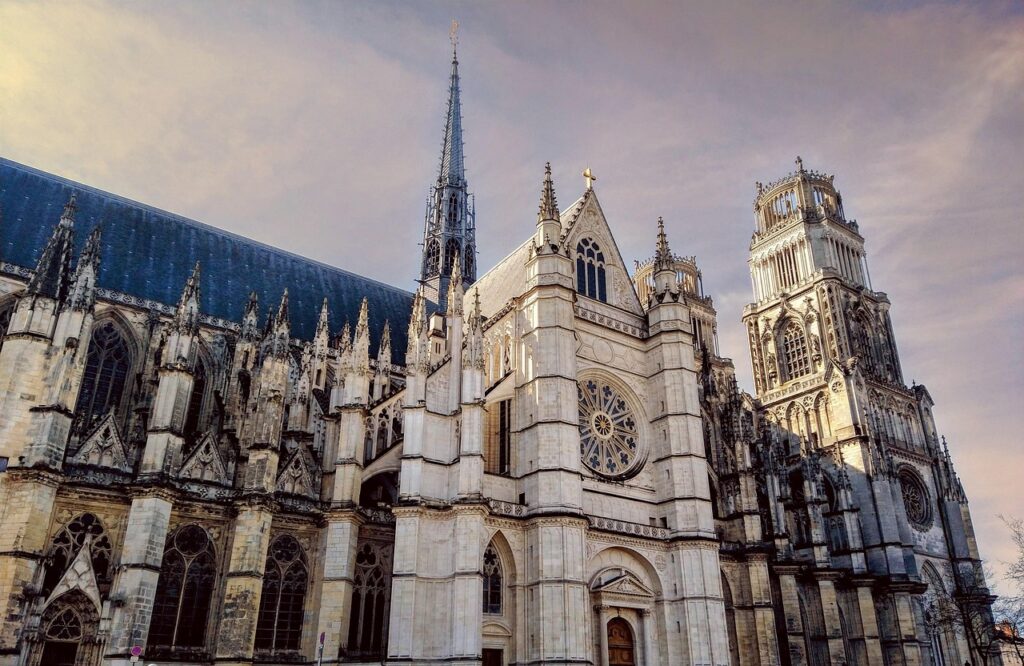
Saint-André Cathedral — Place Pey-Berland, 33000 Bordeaux. A major Gothic monument listed as a UNESCO World Heritage site. Entry to the cathedral itself is generally free; however the climb up Pey-Berland Tower requires a ticket.
- Pey-Berland Tower — Place Pey-Berland, 33000 Bordeaux
- Opening hours for Pey-Berland Tower: daily 10:00–18:00 (reduced hours in low season — check on site)
- Ticket prices for Pey-Berland Tower: adult €6.00, reduced (18–25 / students) €3.50, free for accompanied under-18s
- Recommended duration: 45–60 minutes for the cathedral and the climb
From the top of the tower you get spectacular panoramic views over Bordeaux and the Garonne — bring a camera and wear comfortable shoes for the narrow staircases. Inside the cathedral, pay attention to the nave, stained glass and chapels.
Pont de Pierre and the historic quays
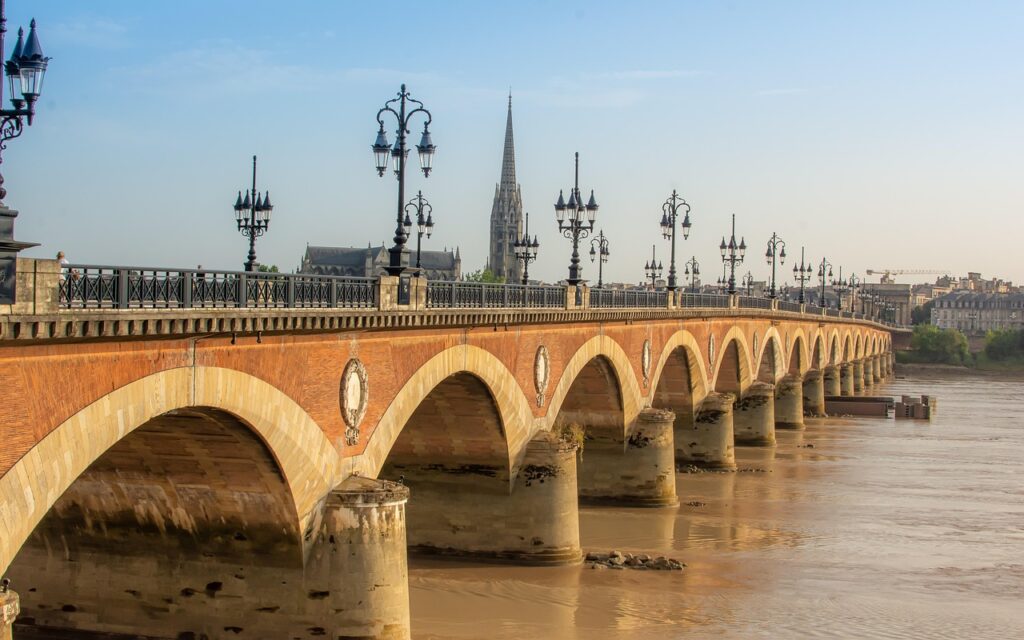
Pont de Pierre — Cours Victor Hugo / Quai Richelieu, 33000 Bordeaux. The first stone bridge across the Garonne connecting the historic center to the right bank (Bordeaux Bastide), inaugurated in 1822. Walking the bridge at sunrise or sunset offers unbeatable views of the city’s façades and skyline.
- Access: free, day and night
- Tip: pause on the right bank side for photos capturing Place de la Bourse and the Water Mirror
Grand Théâtre de Bordeaux
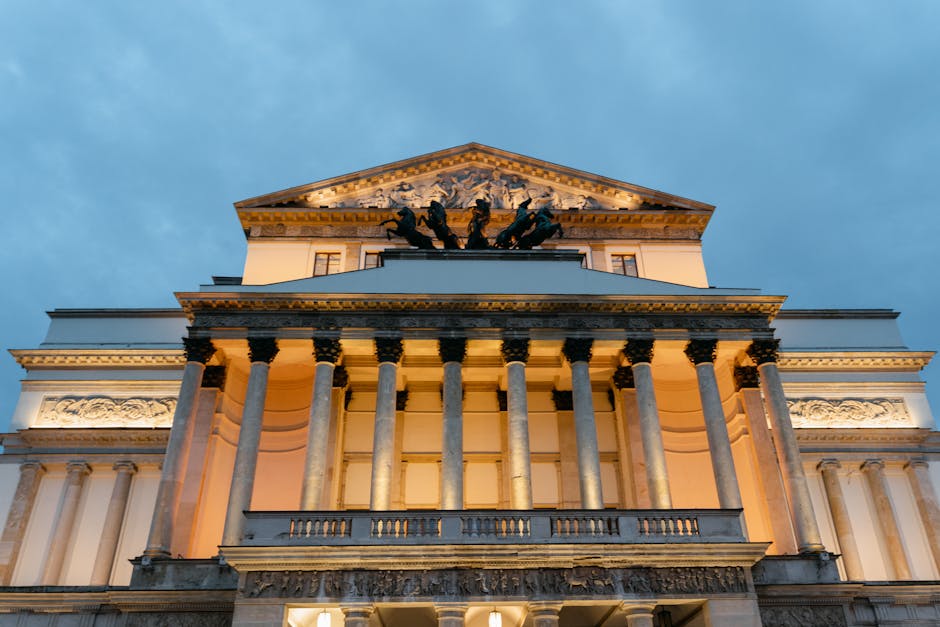
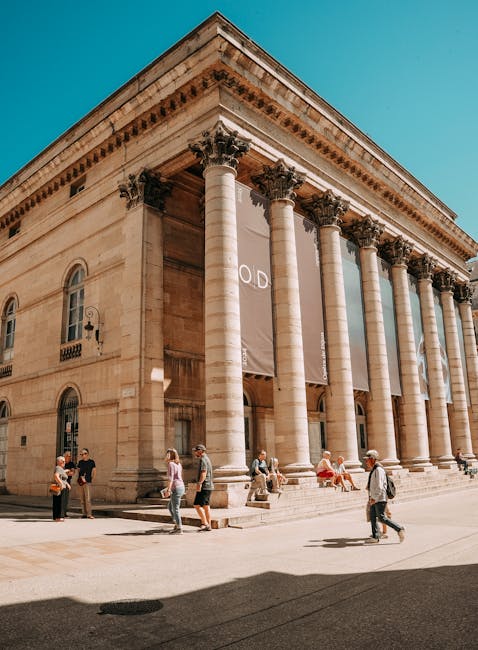
Grand Théâtre de Bordeaux — Place de la Comédie, 33000 Bordeaux. A neoclassical masterpiece by Victor Louis (1773), the theater hosts operas, ballets and concerts. Its colonnaded façade and statues are impressive; guided tours allow access to the foyer and auditorium.
- Address: Place de la Comédie, 33000 Bordeaux
- Tickets/tours: guided tours around €8.00 per adult (depending on schedule) — check the official site for tour slots
- Box office hours: typically 10:00–18:00, vary with performances
Book visits or performance tickets in advance, especially during cultural seasons (autumn/winter). There are several cafés and restaurants surrounding the square for a break after your visit.
Neighborhoods to Explore: Saint-Pierre, Chartrons, Bacalan and Hidden Gems
Bordeaux reveals itself neighborhood by neighborhood. Each area has its own vibe: medieval lanes and restaurants in the historic center, galleries and antique shops in the Chartrons, industrial sobriety and museums in Bacalan, and residential calm in the southern districts. Here’s a detailed walk-through of what to see and how to get around.
Saint-Pierre Quarter — the historic heart
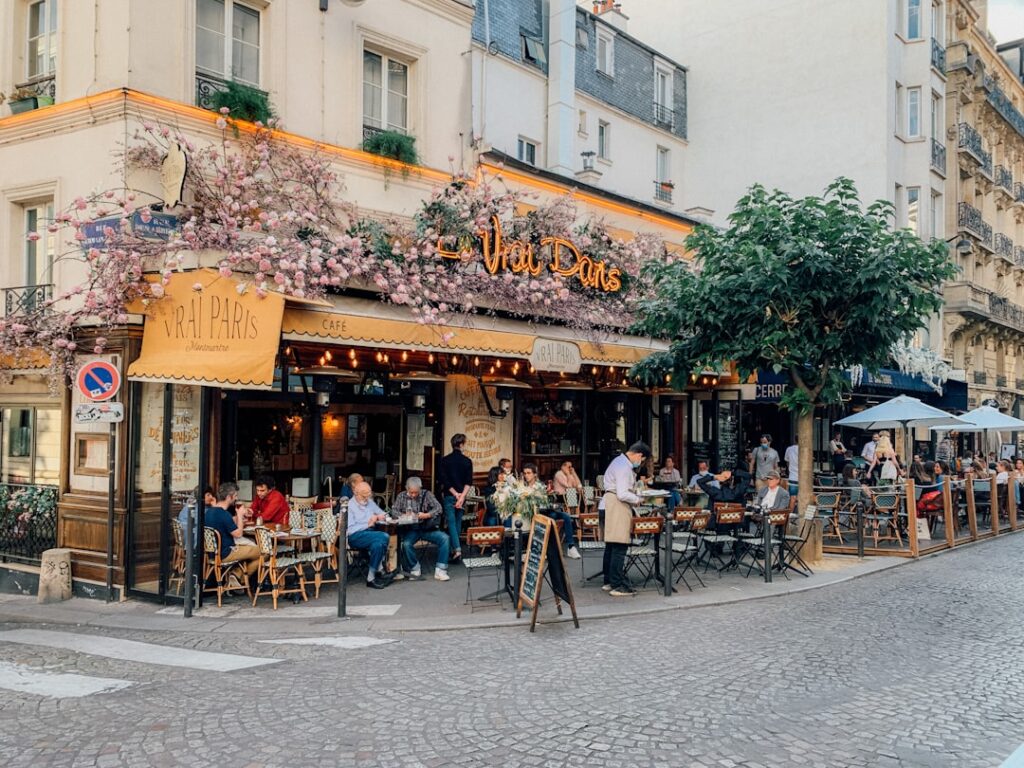
The Saint-Pierre district is Bordeaux’s pedestrian and social core. Its paved alleys are full of restaurants, cafés and independent shops. Highlights:
- Place Camille Jullian — near rue Sainte-Catherine (pedestrian shopping zone nearby)
- Église Notre-Dame — 25 Rue du Hâ, 33000 Bordeaux (interior worth visiting)
- Eating: restaurants on rue des Argentiers and the side streets — main dishes typically €12–25
Local tip: avoid the peak lunch crowds (12:00–14:00) if you want a quiet table; try 13:30–15:00 or a late dinner instead.
Chartrons — antiques and bistronomic cafés
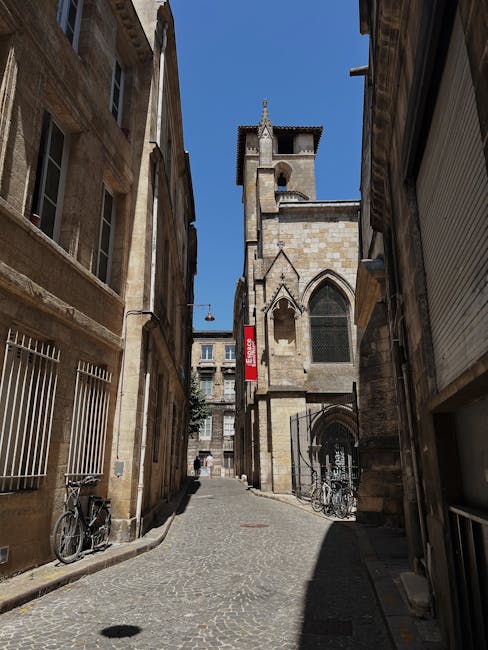
The Chartrons district, west of the center, was historically the wine merchants’ quarter. Today it’s known for antiques shops, design stores and modern cafés. The main riverside street is the Quai des Chartrons, and the Marché des Chartrons (market square) offers local produce on select days.
- Neighborhood hub: Quai des Chartrons, 33000 Bordeaux
- Recommended cafés: bistros around rue Notre-Dame and rue des Chartrons — average main course €14–22
- Shop hours: vary, many open mid-morning 10:00–19:00
Tip: visit Chartrons on Sunday morning for antique markets and a quieter atmosphere before cafés fill up.
Bacalan and La Cité du Vin — modernity and revival
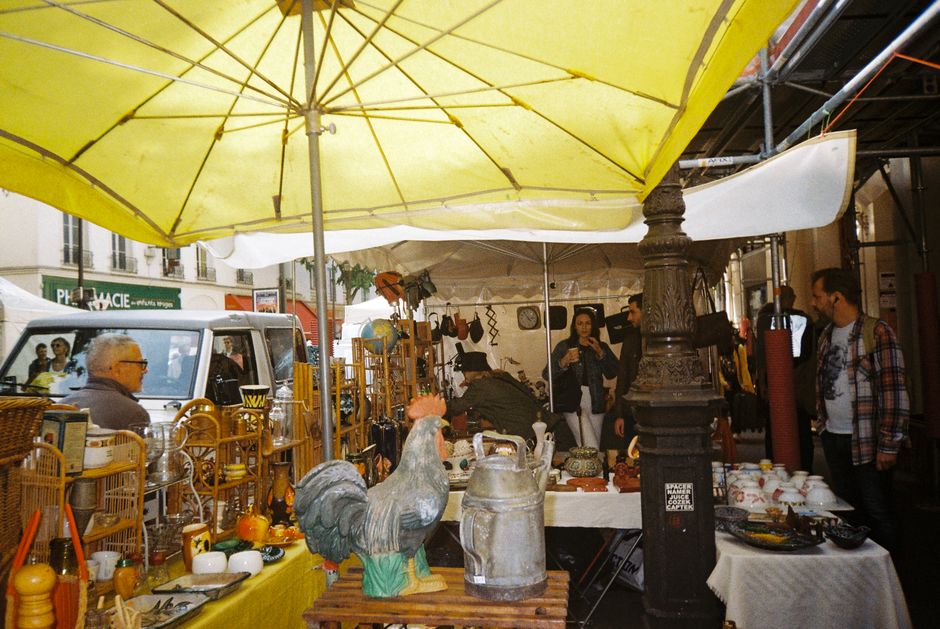
Bacalan, north of the bridge, is a neighborhood in transformation; it’s home to La Cité du Vin and contemporary cultural spaces. It’s a great example of former docks being reimagined as a cultural district.
- La Cité du Vin — 1 Esplanade de Pontac, 33300 Bordeaux
- Opening hours: 10:00–18:00 (closing hours may vary on certain holidays), occasional late openings depending on the season
- Ticket prices: Discovery ticket €20.00–22.00 (audio-guide included), Premium ticket €25.00–27.00 (tasting included); discounts for students and under-26s
La Cité du Vin delivers an immersive look at wine culture with interactive exhibits and a panoramic belvedere. Book the tasting if you want a full sensory experience. The neighborhood also hosts tasting workshops and a nearby food market on weekends.
Museums and Cultural Sites: CAPC, Musée d’Aquitaine and Lesser-Known Treasures
Bordeaux has a varied museum scene, from contemporary art to regional history. Here’s a tour of major museums and cultural spaces worth visiting, with addresses, opening times and prices.
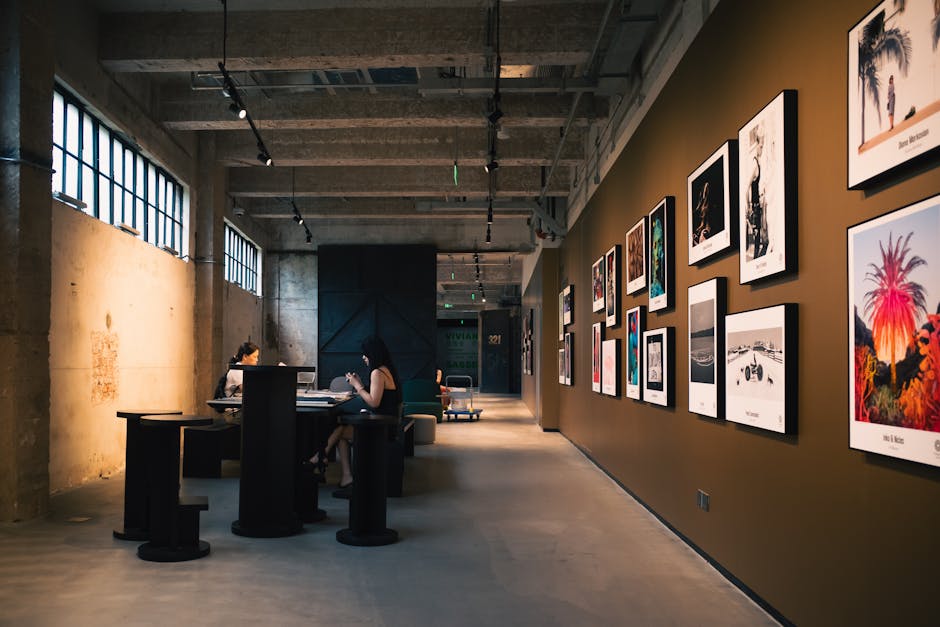
CAPC — Museum of Contemporary Art
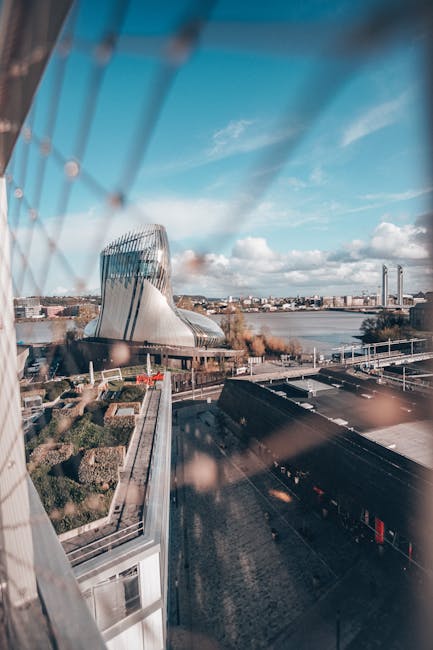
CAPC musée d’art contemporain — 7 Rue Ferrère, 33000 Bordeaux. Housed in a former colonial goods warehouse, CAPC showcases modern and contemporary art exhibitions that are often bold and challenging.
- Opening hours: Tuesday–Sunday 11:00–18:00 (closed Mondays)
- Prices: general admission about €6.00–8.00, free for under-26s (subject to current policy)
- Recommended visit length: 1–2 hours depending on exhibitions
The building itself is worth the visit for its rehabilitated industrial architecture. Check temporary exhibitions before you go so you don’t miss special events or performances.
Musée d’Aquitaine — history and archaeology
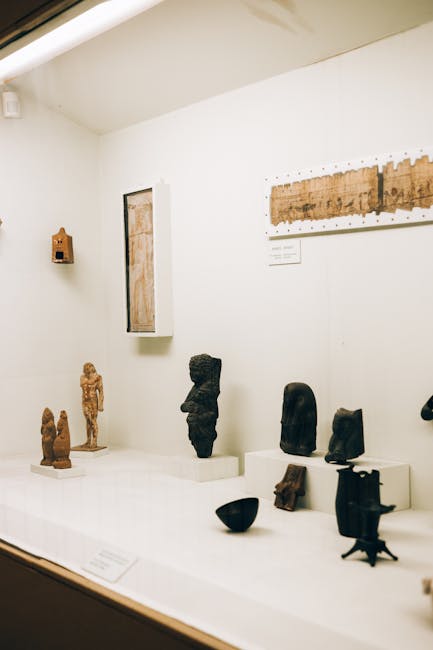
Musée d’Aquitaine — 20 Cours Pasteur, 33000 Bordeaux. This museum traces the history of Bordeaux and its region from prehistory to the present, covering commerce, society and urban development.
- Opening hours: Tuesday–Sunday 10:00–18:00 (closed Mondays)
- Prices: full price €5.00–7.00, reduced €3.00–4.00; free for under-18s
- Duration: 1–2 hours
The permanent and temporary exhibitions are well documented; the museum often offers themed guided tours (family, archaeology, history of the slave trade) — check the online schedule for bookings.
Other cultural spots and options
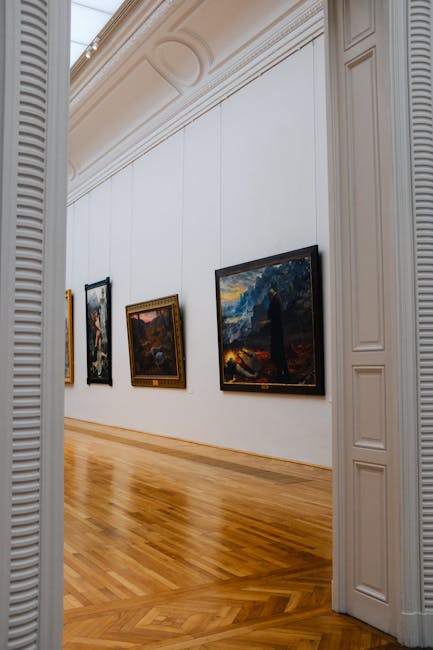
Bordeaux also hosts smaller but equally rich venues: the Maison de l’Architecture Aquitaine (39 cours Xavier Arnozan), the Musée des Beaux-Arts (20 Cours d’Albret), and independent galleries scattered across the center and in Chartrons. Hours and prices vary; most open mid-morning and close in the late afternoon. Entry to the Musée des Beaux-Arts is often free for permanent collections, with temporary exhibitions priced around €5–8.
Walks, Parks and Riverside Strolls Along the Garonne
Beyond monuments and museums, Bordeaux shines with outdoor spaces: riverside promenades, public gardens and bike-friendly routes. Here are precise suggestions to enjoy fresh air, with addresses and practical tips.
Garonne quays and riverside promenade
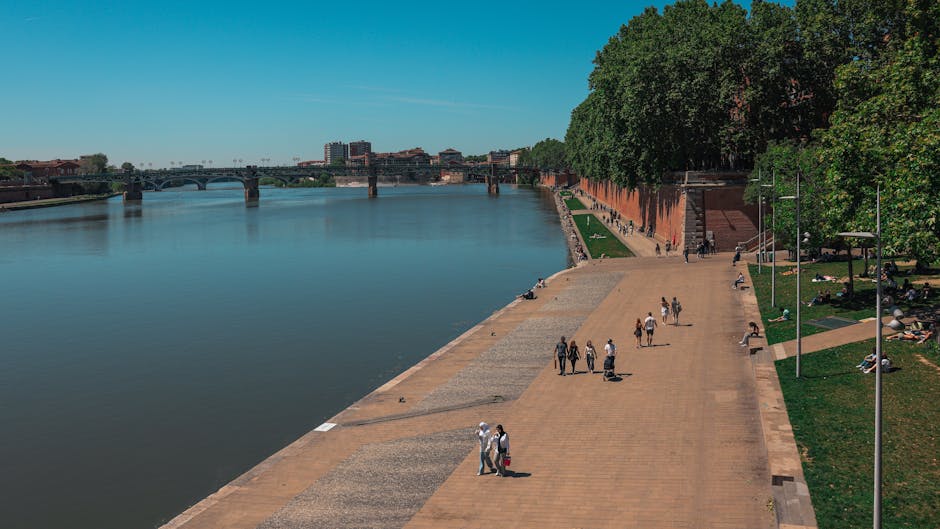
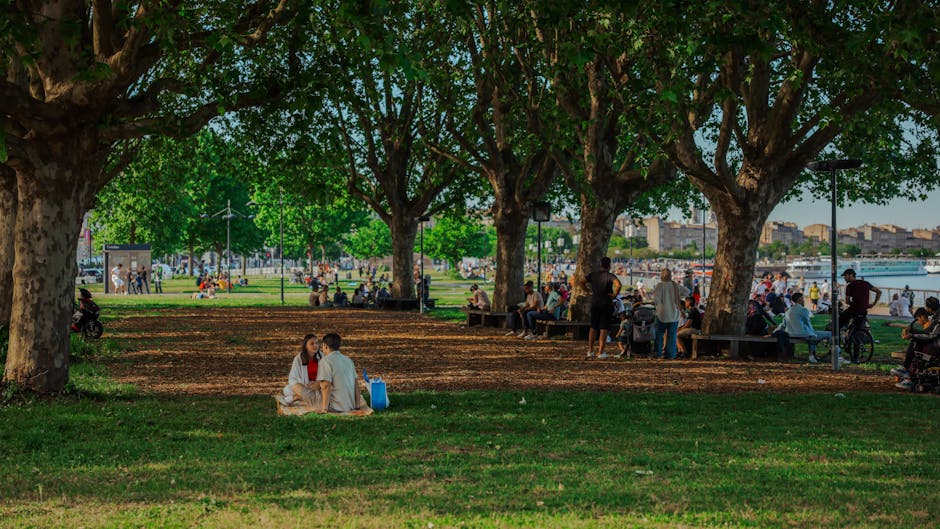
The riverside promenade stretches for several kilometers between the Pont de Pierre and the Pont d’Aquitaine, running along both the right and left banks. It’s perfect for walking, running or renting a bike (V3 shared service).
- Access: free, open 24/7
- Bike rental: Vélos Bordeaux Métropole (V3) — short trip rates from €1.70 up to 24h, tourist passes available
- Tip: on weekends aim for the morning to avoid crowds of walkers and rollerbladers
Stop at the Bastion for city views or relax at Parc aux Angéliques. The quays also host plenty of cafés and food trucks in season.
Jardin Public and Parc Bordelais
Jardin Public — Cours de Verdun, 33000 Bordeaux. A large English-style park with lawns, a pond and a small botanical garden. Perfect for picnics and quiet family moments.
- Opening hours: generally 07:00–21:00 (varies with season)
- Access: free
Parc Bordelais (Boulevard Jules Guesde / Avenue Thiers, 33100 Bordeaux) is larger and features playgrounds and a small lake. Both parks are well served by tram and bus.
Garonne excursions and boat cruises
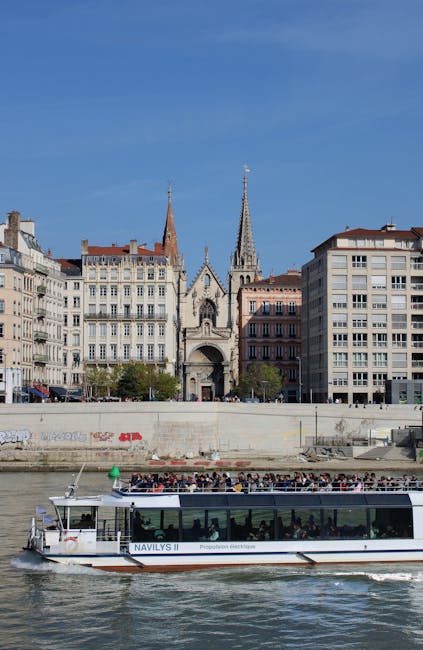
For a different viewpoint, several companies offer river cruises and guided boat tours on the Garonne. Typical prices:
- Commented 1-hour cruise: €12.00–18.00 per person
- Longer/dinner or tasting cruises: €30.00–60.00 depending on the package (wine tastings available)
Book ahead in high season. These trips give unique views of the historic riverfront and help explain Bordeaux’s maritime role.
Audio Options and Audioguides: Apps, Self-Guided Tours and Tips
More and more visitors prefer audioguides and apps to explore a city at their own pace. Bordeaux offers many audio solutions: official audioguides, mobile apps, downloadable routes and themed podcast tours. Here’s an overview and tips on how to use them effectively.
Tourist Office — audioguides and maps
Bordeaux Tourist Office — 12 Cours du 30 Juillet, 33000 Bordeaux. They offer audioguides, maps and brochures. Opening hours: typically 09:00–18:00 (seasonal variations apply).
- Rental audioguide: around €6.00 for a half-day (subject to availability)
- Free maps and routes: available on site
Tip: stop by the tourist office when you arrive to pick up maps and combined tickets (museums + tours) — this can streamline your travels and sometimes unlock discounts.
Mobile apps and downloadable audioguides
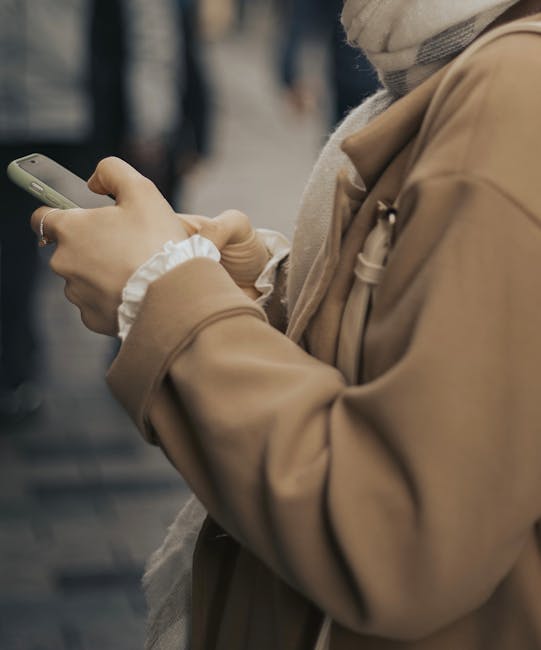
Several apps provide routes in free or paid versions: izi.TRAVEL, Rick Steves Audio Europe, and local apps (Walks Bordeaux, Bordeaux City Guide). Typical pricing:
- izi.TRAVEL: free (varied content); some paid routes €2.00–6.00
- Walks Bordeaux / local guides: €3.00–10.00 depending on the circuit
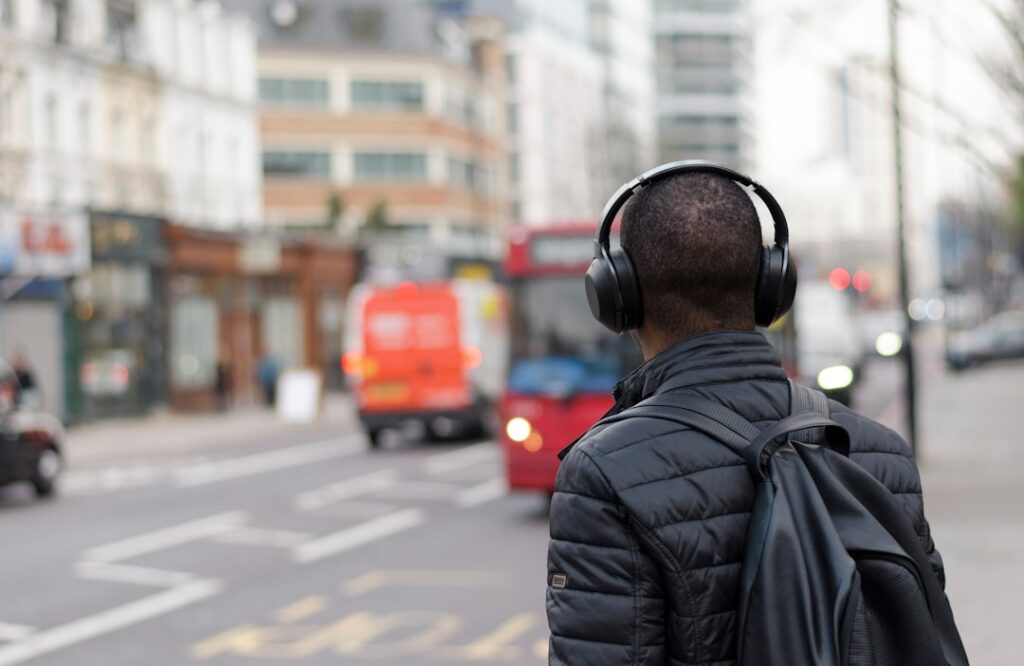
Usage tips: download audio files while on Wi‑Fi (mobile downloads can be slow) and bring comfortable earbuds. Audioguides are excellent for self-guided visits, but pair them with a paper map if you like to visually spot architectural features in real time.
Paid guided audio tours and themed walks
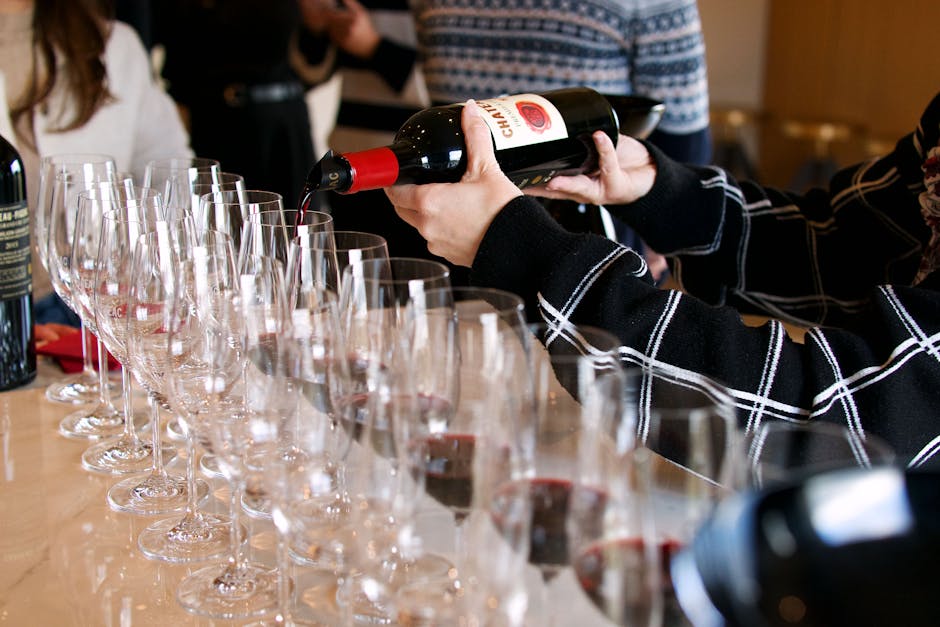
Themed tours (wine, architecture, maritime history) often include enriched audio commentary and tasting stops. Typical rates:
- Guided oenology tour (2h): €25.00–45.00 depending on included tastings
- Architecture and heritage tour (1h30): €12.00–18.00
Booking through local operators often ensures bilingual guides and opportunities for meet-the-maker stops (winemakers, gallery owners). For a more immersive experience, choose circuits that combine audio content with physical venues open to the public (museums, towers).
Practical tips for choosing an audio option
- Favor local audio content for anecdotes and historically specific information.
- Pick routes with integrated maps so it’s easy to follow along.
- If you travel in a group, compare the cost of a live guide versus several digital audioguides — sometimes the human guide adds irreplaceable value.
Conclusion: Planning Your Bordeaux Visits — Sample Itinerary and Final Tips
Bordeaux is best discovered at different paces: slow immersion, theme-based strolls or targeted visits based on your interests (architecture, wine, contemporary art). To summarize this guide, here’s a 48-hour sample itinerary designed to combine monuments, neighborhoods, museums and downtime.
Day 1 (morning): start at Place de la Bourse and the Water Mirror (Place de la Bourse, 33000 Bordeaux), then head to Saint-André Cathedral and climb Pey-Berland Tower (Place Pey-Berland — tower ticket around €6.00). Lunch in the Saint-Pierre district, where the narrow streets offer a wide range of bistros (main dishes €12–25). In the afternoon, visit the Grand Théâtre (Place de la Comédie) if a guided tour is available, then finish with a sunset walk across the Pont de Pierre.
Day 2 (morning): dedicate the morning to La Cité du Vin (1 Esplanade de Pontac, 33300 Bordeaux — discovery ticket €20–27 depending on options), and book the tasting if possible. Spend the afternoon in Chartrons browsing antique shops and having coffee, then visit the CAPC (7 Rue Ferrère) or the Musée d’Aquitaine (20 Cours Pasteur) depending on your cultural preference. End with a stroll in Jardin Public or a Garonne cruise (1-hour cruises €12–18).
Final practical tips:
- Transport: use the tram for central trips (single tickets about €1.80) or shared bikes (V3) for an authentic Bordeaux experience. Many sites are pedestrian-friendly and easily visited on foot.
- Bookings: reserve for La Cité du Vin, certain tastings, and Grand Théâtre performances to avoid queues. Museums often offer reduced rates for pre-booking.
- When to visit: spring and autumn offer pleasant weather and fewer crowds than summer; in high season (June–August) get to popular sites early.
- Budget: plan a combined budget for museums/tours (around €40–80 for 48 hours if you pick 2–3 paid attractions), plus meals and transport. Many places offer free entry for under-18s or discounts for young adults.
In short, Bordeaux is a place to savor: listed façades, sunlit quays, museums and wine cellars combine into a complete palette of experiences. Whether you follow an audioguide or a local expert, every visit will reveal another layer of this Southwest metropolis. Note the addresses and opening times provided, download your audioguides on Wi‑Fi, wear comfortable shoes and always leave time to wander without a schedule — often it’s the unexpected detours that reveal the most authentic Bordeaux.