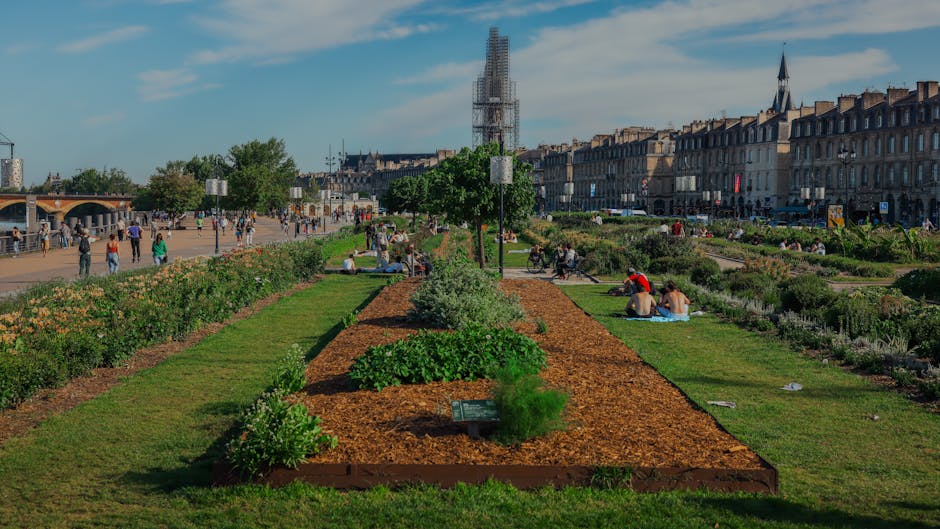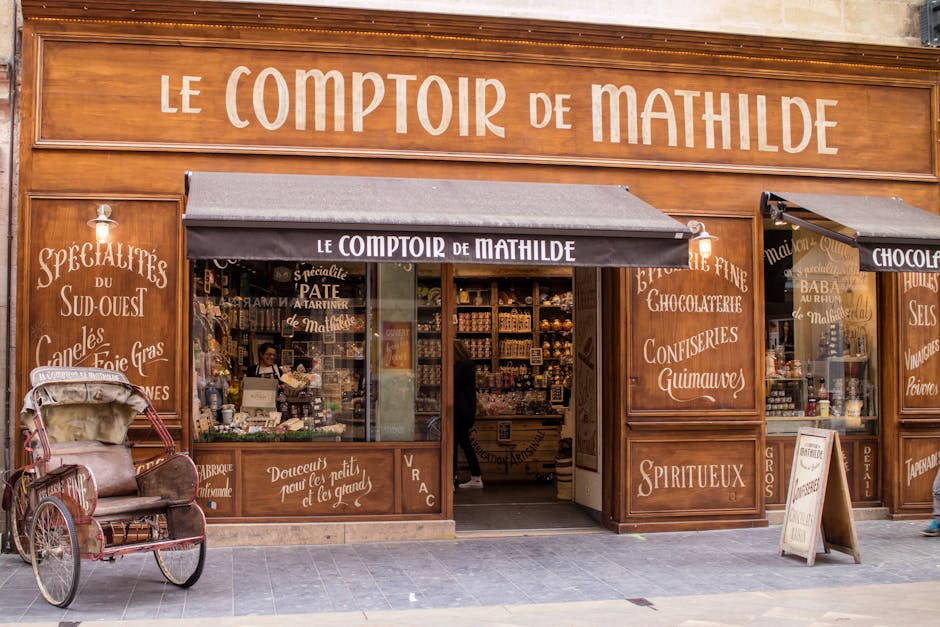






Introduction — Why Bordeaux’s markets are a must for food lovers
Bordeaux isn’t just the wine capital of the world: it’s also a place where flavor, friendliness and seasonality come together in its bustling markets. For anyone who loves to eat, wandering the aisles of a Bordeaux market means treating your taste buds to a parade of local specialties — oysters from the Arcachon Bay, asparagus from the Landes, well-aged cheeses, artisan charcuterie, crusty breads and pastries that still smell of warm butter. Bordeaux’s markets are living places where people buy, swap tips, taste, meet producers and learn the recipes that make the region special.
In this practical, general guide I’ll take you to the unmissable markets across Bordeaux. For each spot I give the exact location, typical opening hours, sample prices to help you budget, immersive descriptions to picture the atmosphere, and local tips — when to go, what to buy, how to judge quality, and small tricks that will turn your visit into a memorable culinary experience. Hours and prices are indicative: markets change with the seasons, holidays or municipal initiatives. I recommend checking official websites or local pages before you go.
Bordeaux’s markets cover every craving: historic covered markets, lively neighborhood stalls, organic and farmers’ markets, evening markets for drinks and bites, and markets focused on seafood. Whether you’re a local picking up staples, a visitor wanting to taste local specialties quickly, or a home cook hunting for exceptional ingredients, this article gives exact addresses, typical opening times and realistic price ranges. You’ll also find practical advice — transport, parking, best time to avoid crowds, and how to haggle or simply chat with the producers.
Finally, this guide includes visual prompts to inspire your stroll: picture stalls of shiny oysters in the morning light, steaming bread, crates of golden apricots, or a convivial scene around a board of charcuterie and a glass of Bordeaux. Bring a reusable bag, your camera and a healthy appetite: let’s discover together the Bordeaux markets worth visiting.
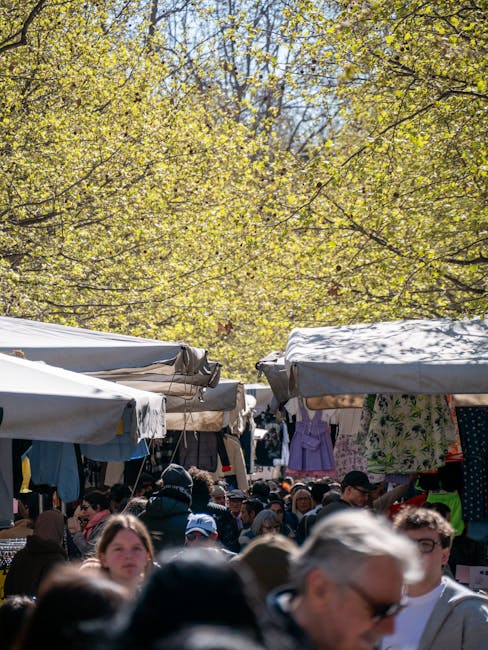
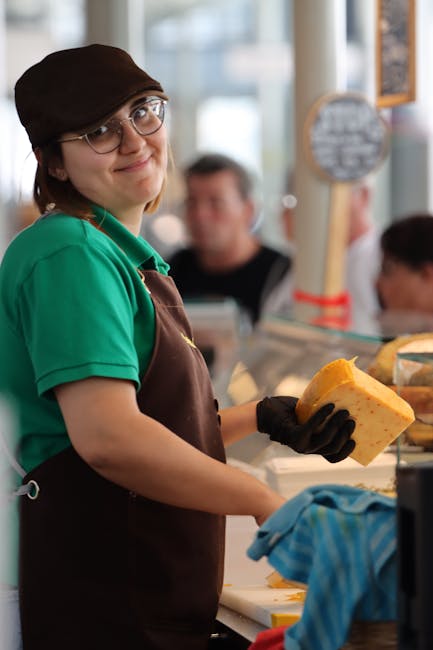
Les Halles des Capucins — Bordeaux’s big, beloved central market
The Marché des Capucins is often called “Bordeaux’s kitchen”: large, lively and very central. It sits on Place des Capucins, 33800 Bordeaux, near the Saint-Michel basilica and the Capucins tram stop (line B). It’s the oldest and one of the busiest markets in the metro area, with a traditional market atmosphere where traders, restaurateurs and locals mingle. Typical hours: Tuesday to Sunday, opening early around 6:30–7:00 until 14:00; closed on Mondays (hours vary by stall and season). The biggest crowds arrive on Saturday mornings.
What you’ll find: a large fish and shellfish section (oysters from the basin, prawns, whelks), artisan butchers, greengrocers, cheesemongers, bakers, plus small stalls for eating on the spot — sandwiches, croque-monsieur, coffee and fresh juices. Indicative prices: a dozen local oysters between €8 and €15 depending on size and origin; a board of artisan cheeses €10–20; a traditional loaf (baguette or country bread) €1.20–3.50; a coffee €1.50–3.
Vibe and tips: arrive early if you want a calmer experience (between 7 and 9 a.m.). If you’re into oysters, look for the benches where oyster farmers shuck on site — you can eat at the counter and leave a small tip. For chilled items (fish, charcuterie) bring a cooler or buy them last to keep the cold chain. The market is ideal for assembling a picnic: charcuterie €15–25 per kilo depending on origin, cheeses by weight, and very fresh seasonal vegetables.
Local tip: on Saturdays some stalls offer free tastings or samples — don’t hesitate to ask producers for wine-pairing advice. Park on the outskirts and come by tram or bike; the square fills up fast.
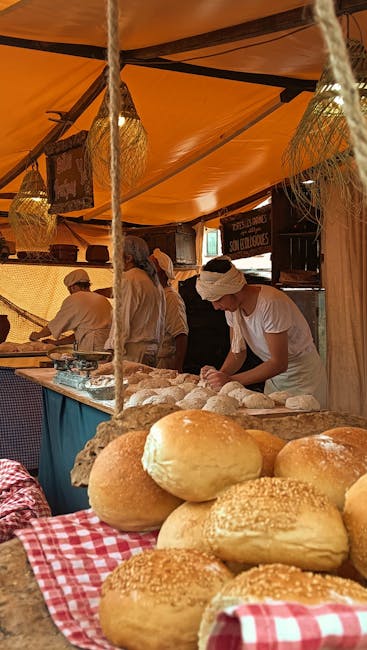
Marché des Chartrons — Charm, antiques and gourmet finds
The Marché des Chartrons holds a special place in its eponymous neighborhood, known for antique shops, galleries and a strong local vibe. It’s located on Place du Marché des Chartrons, 33000 Bordeaux, close to Cours du Médoc and the Les Hangars tram stop (line B). Typical hours: mainly a Sunday morning market from 9:00 to 13:30; some vendors also open on Saturday mornings. The market mixes food stalls (produce, cheese, sometimes fish) with creator stalls and wine sellers depending on the week.
This market is perfect for food lovers who appreciate beautiful objects along with great food: you’ll often find artisan preserves, condiments, specialty breads, Iberian charcuterie and small-domain wines. Indicative prices: jars of artisan preserves €3.50–8; spice blends or local mustard €4–7; seeded bread €2.50–4.50; AOP cheeses in portions €4–12.
Ambiance and recommendations: Chartrons market is more boutique and tourist-friendly than the big popular markets. It’s a great place to find a refined food souvenir (gourmet olive oil, flavored salt, artisanal chocolate). Local chefs and sommeliers frequent this market for its fine products; don’t hesitate to ask for food-and-wine pairing advice. To avoid the early rush but still catch the best stalls, visit around 11–12.
Practical tip: if you’re hunting for natural wines or small family domaines that are hard to find elsewhere, talk to the wine merchants — some sell single bottles from about €8 to €25. Parking in the area is limited; favor the tram or a 15–25 minute walk from the city center depending on where you start.
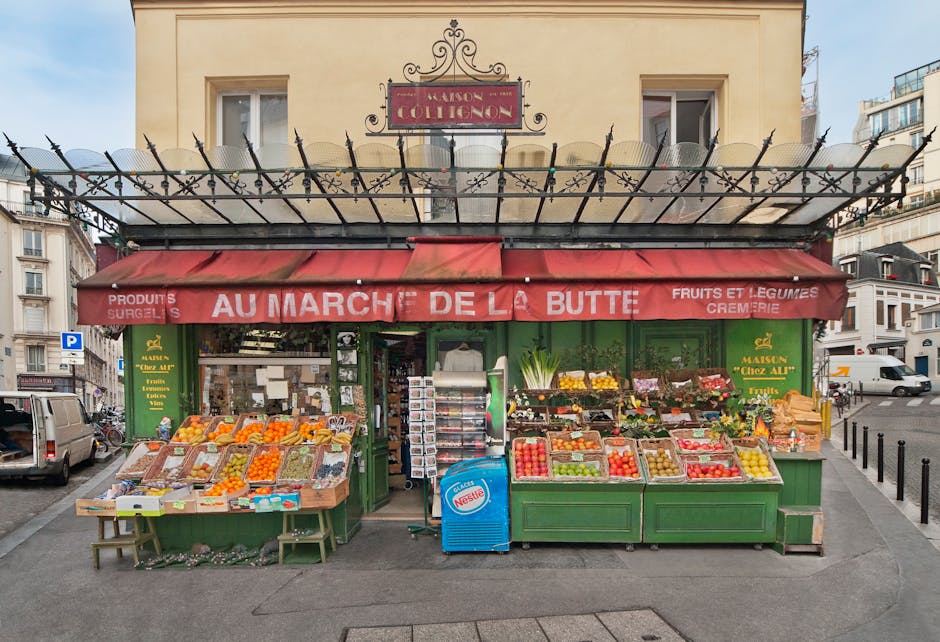
Place Nansouty Market — Fresh produce and neighborhood charm
The Place Nansouty market is a beloved neighborhood market prized by Bordelais for the quality of its fresh produce. Address: Place Nansouty, 33000 Bordeaux, in the neighborhood of the same name, served by tram A (Nansouty stop) and several bus lines. Typical hours: Wednesday and Saturday mornings, from 7:30 to 13:00. Saturday is the liveliest day, with many local producers present.
Products and prices: this market offers a fine selection of produce (seasonal fruits and vegetables), artisan charcuterie, poultry and occasionally mobile fishmongers. Approximate prices: a crate of seasonal tomatoes €3–6, a bunch of asparagus €4–7 depending on size, free-range chicken €8–12 per kilo, farmhouse cheese €12–20 per kilo. You’ll also find catering stalls offering ready-to-eat dishes (quiches, stews) for around €6–12 per portion.
Atmosphere and tips: the vibe is friendly and very much “neighborhood”: families, older residents doing weekly shopping, and local chefs buying specific ingredients. For vegetables, favor crates labeled “local producer” and ask about the harvest season. If you’re cooking for several days, buy meat or cheese last so they don’t sit at the bottom of your bag.
Local hints: bring reusable bags and some cash (some smaller stalls don’t take cards). The market sits on a pleasant square near cafés where you can sit down for coffee and a fresh pastry. Families will appreciate sweet treats for kids; if a local baker is present, try the artisan canelés.
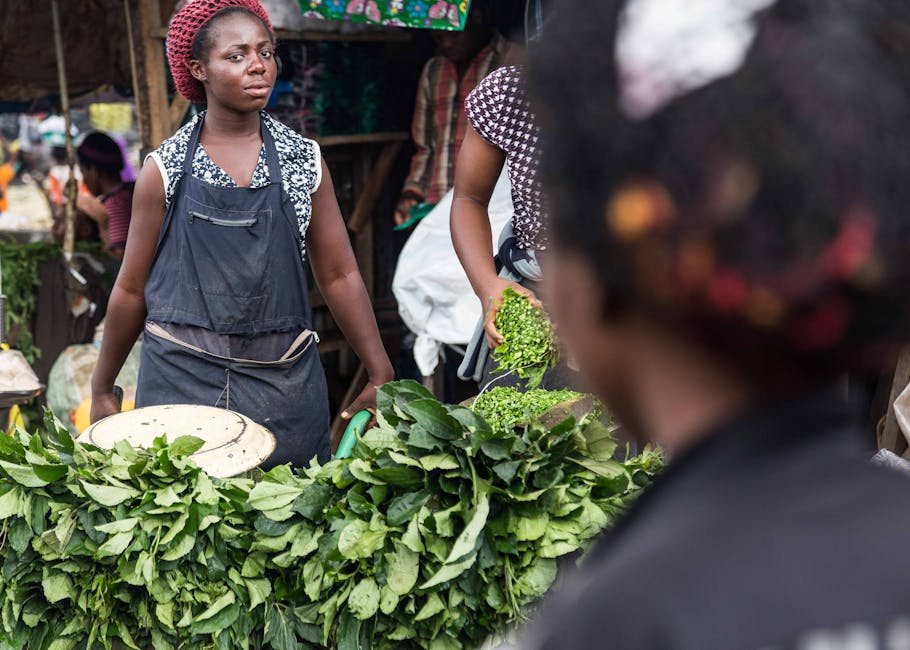
Producers’ Market — Place des Quinconces and occasional farmers’ events
The Producers’ Market, often held on Place des Quinconces (Place des Quinconces, 33000 Bordeaux), brings together mostly local farmers and producers selling directly. These markets happen occasionally, frequently on Sunday mornings or during agricultural/local events; there are also special “Producers’ Market” editions in spring and summer. Typical hours for these gatherings: 9:00–14:00. Check dates on municipal channels or the organizers’ sites.
This event is ideal for finding terroir products at prices closer to the producer: honey €6–12 for 250–500 g jars; artisan jams €4–7; locally reared meat €12–18 per kilo; organic vegetable baskets €8–20 depending on size. Markets often include small wine and spirit producers with bottles from €7 up to €30 for unusual cuvées.
Ambiance and tips: these markets feel like a countryside fair — you’ll linger to talk about farming methods, animal husbandry and leave with local recipes. It’s a great chance to buy in bulk (vegetable baskets, meat boxes) if you’re staying for several days. Budget: a farmer’s lunch on-site (charcuterie/cheese plate + bread + wine) costs about €10–20 per person depending on the stall.
Practical advice: bring an insulated bag if you buy meat or cheese. Many of these markets accept card payments, but it’s wise to carry cash for small purchases. If you want a bargain, arrive toward the end of the morning — producers sometimes offer small reductions to clear stock before closing.
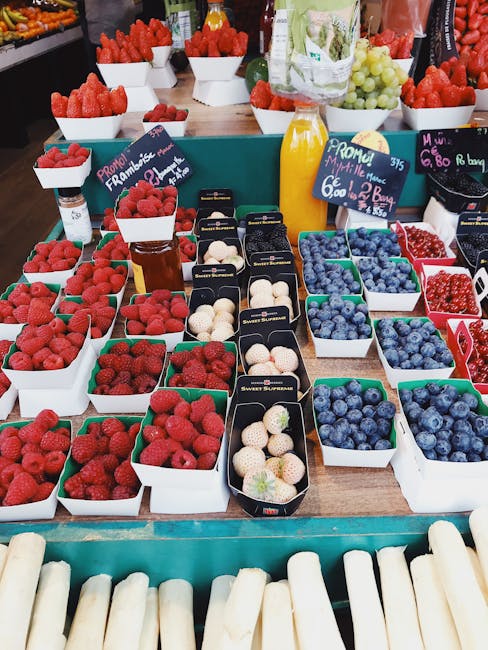
Organic markets and night markets — alternative experiences for discerning foodies
Bordeaux also offers specialized markets that will appeal to gourmets concerned with origin and farming methods. These include weekly organic markets in several neighborhoods (for example the Chartrons organic market on some weeks, the Victoire organic market depending on the municipal schedule) and summer night markets where street food, wine and music mix. Typical times: organic markets usually in the morning between 9:00 and 13:00; night markets in summer from around 18:30 to 23:00.
What to buy: AB-certified (organic) products, long-fermented sourdough breads (€3–6), pasture cheeses (€14–25 per kilo), rare vegetables and herbs, cold-pressed juices and artisanal kombuchas (€3–5 for a 33 cl bottle). Organic markets can be pricier than regular markets due to production costs: expect to pay roughly 10–30% more on some items, but the traceability and taste are often worth it.
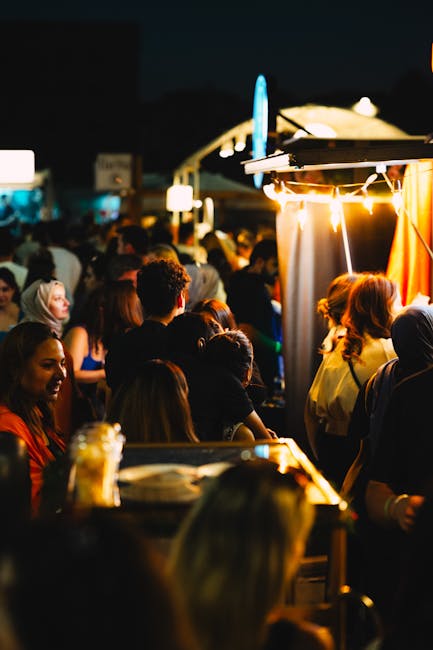
Atmosphere and recommendations: for a convivial evening, night markets are perfect for sharing several dishes (oysters, tapas, charcuterie and cheese boards). Bring cash, though most stalls take cards. Check the night market schedule (it varies year to year) and arrive early if you want a seat.
Tips: if you follow a specific diet (gluten-free, vegan), ask producers — many now offer alternatives. For a tasty souvenir, choose small jars (spicy paste, flavored mustard, chutney) that travel well in luggage: €4–10 depending on size.
Conclusion — Planning your Bordeaux market route
Bordeaux is packed with markets for every type of food lover: from the large popular Capucins market to the chic Chartrons market, through farmers’ gatherings on Place des Quinconces and neighborhood markets like Nansouty. To get the most from your visit, plan around what you want to buy or eat on site: seafood in the morning at Capucins, fine products and wines at Chartrons, family shopping at Nansouty, and discovering producers at the Producers’ Market.
A few final practical recommendations: come early to avoid crowds (unless you’re after the busy Saturday market atmosphere); bring a cooler or buy perishable items last; prepare for both cash and card payments and bring reusable bags; ask producers questions — they love sharing their knowledge and cooking tips; and be ready to taste: a small sample is often the best way to decide. Always double-check exact hours and dates before you go (some markets change with the season or weather).
Following this guide you can craft a personalized market itinerary: start with coffee and a pastry at Capucins, pick up fine products at Chartrons, fill your basket at Nansouty, and finish the week with a Sunday at the Producers’ Market. Bordeaux, with its gastronomic riches and passionate producers, will reward you with discoveries at every stall. Happy market hunting and enjoy your meal!